
Patience Challenges in Dog Photography and How to Overcome Them
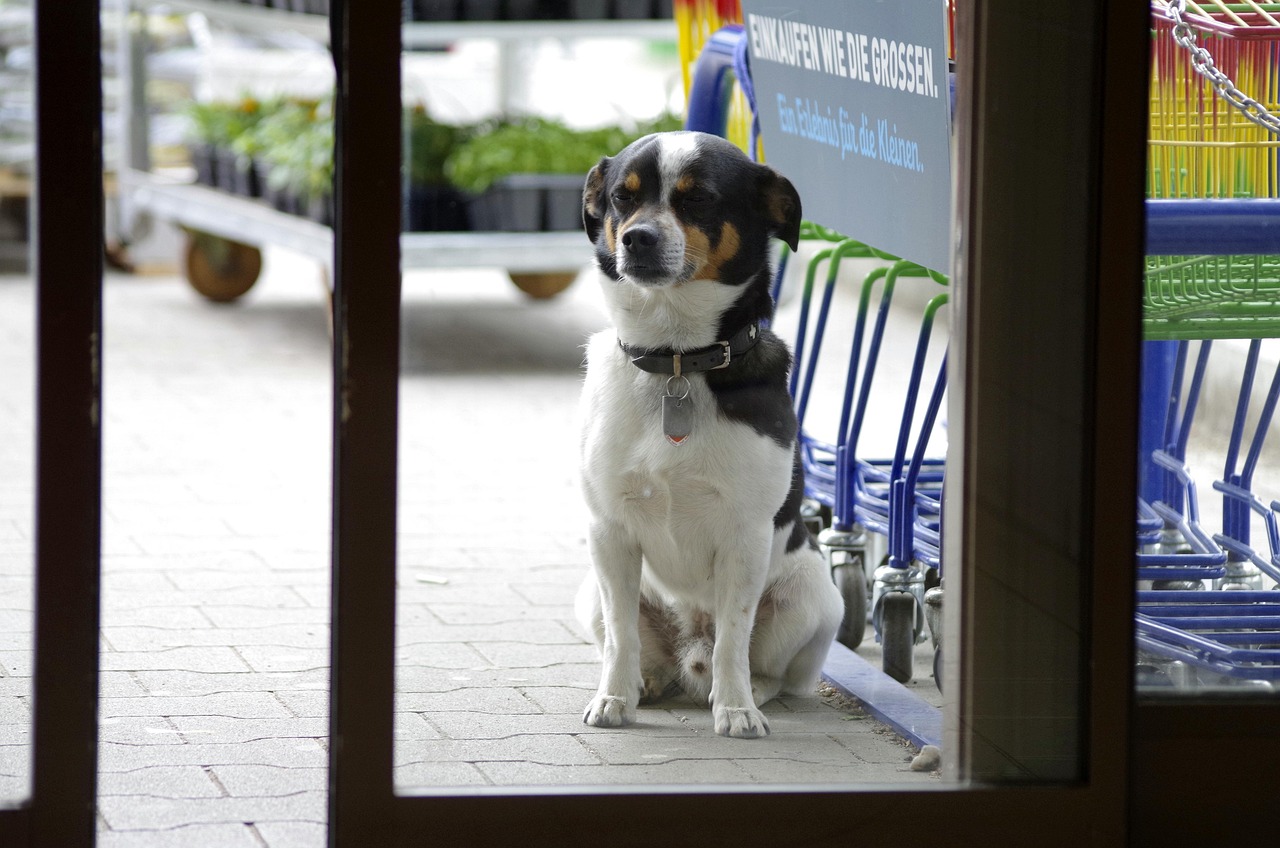
Dog photography can be both rewarding and challenging, particularly because timing and patience play critical roles in capturing memorable moments. Patience is essential, as dogs are unpredictable. Unlike human subjects, dogs don’t always sit still or pose on command. Their lives are filled with spontaneity, which can lead to unique photo opportunities if one waits patiently. Often, dog owners find themselves frustrated when their furry friend doesn’t cooperate. To overcome these challenges, photographers need to develop a solid plan before embarking on a photoshoot. This planning may include selecting the right time of day, understanding the dog’s behavior, and being prepared with the necessary equipment to capture fleeting moments. A successful dog photographer understands that sometimes, the best shots require time and effort, allowing the dog to settle into a natural position. This gives the photographer the chance to utilize their skills effectively. In doing so, one can beautifully showcase the personality and energy of the canine subject, leading to authentic and heartfelt images that the owners will treasure for years to come. Taking a moment to appreciate the process is important, as this can result in stunning shots.
During a photoshoot, distractions can arise from various sources, making patience even more crucial in dog photography. Dogs have heightened senses compared to humans, and their attention can easily be diverted by a passing squirrel or a sudden sound. Photographers must recognize that this is part of the experience. Keeping the dog calm and focused is vital, which may require the use of treats, toys, or familiar commands to regain their attention. Preparing a creative environment can help mitigate distractions, such as choosing a scenic location safe from busy roads or crowded areas. By encouraging the dog to interact with their surroundings, photographers can capture a wide range of emotions and actions, from joy to curiosity. Moreover, timing comes into play as you wait for the right moment when the dog is engaged. To achieve this, photographers can use techniques such as predictive timing, which involves anticipating when the dog may leap, run, or look in a specific direction. By remaining alert and ready, the photographer can successfully capture the dynamic essence of the dog, resulting in captivating imagery that reflects their personality.
Understanding Dog Behavior for Better Shots
To excel in dog photography, one must develop a good understanding of canine behavior. Knowing typical traits associated with various breeds can significantly improve the quality of photographs taken. Different breeds exhibit unique personalities and temperaments, which can influence how they respond during a photoshoot. For instance, some dogs are naturally more inclined to be energetic and playful, while others may be more stoic or reserved. This understanding allows photographers to tailor their approach and adjust expectations accordingly. Observing the dog’s body language can also provide insights into their mood and comfort level. Signs of distress or discomfort must be recognized early in the shoot to help alleviate potential challenges. Engaging positively with the dog can increase their confidence while contributing to a comfortable atmosphere, ultimately leading to better photos. A reward-based approach, utilizing treats or praise, can encourage the dog to cooperate. This collaborative interaction can foster trust, allowing the photographer to capture genuine expressions and postures that reflect the dog’s unique character. Remember, a happy dog results in more impactful photographs!
Preparation and timing also extend beyond understanding the dog to include environmental factors. For example, poor lighting can significantly affect photos, making the subjects appear dull or overly dark. Photographers should identify optimal lighting conditions without harsh shadows. The golden hour of photography, which occurs shortly after sunrise or before sunset, provides a warm glow ideal for capturing a dog’s fur and features. Additionally, selecting interesting backdrops can enhance dog photography, showcasing the pet in appealing surroundings. Finding a location with vibrant colors or textures can further elevate the overall aesthetic of the images. Timing plays a pivotal role when it comes to animals’ natural behaviors. If a specific action, like fetching a ball or rolling in grass, is desired, the photographer must observe the dog’s body language and prepare to capture those spontaneous moments swiftly. Being aware of the dog’s habits and timing the shot accordingly can make a significant difference. Furthermore, having the right tools at hand, such as continuous shooting modes on a camera, can assist in capturing these fleeting moments without losing focus.
Capturing Action Shots Effectively
Capturing action shots in dog photography often requires impeccable timing and a lot of practice. Dogs are agile and quick, making it challenging to photograph them in motion. Investing time in mastering burst mode on your camera can significantly increase the chances of getting the perfect shot while the dog leaps, runs, or plays fetch. Photographers should focus on the dog’s eye level. This technique creates a more engaging image because it allows viewers to connect with the subject emotionally. To prepare for these dynamic shots, photographers should also anticipate the dog’s movements by observing their behavior in real time. Recognizing patterns in how a dog moves can help photographers predict when a leap will occur and be ready to take action. Another valuable tip is to increase your shutter speed, as this reduces motion blur and keeps the action crisp. Experimenting with different angles can also yield exciting results. Sometimes, getting low to the ground or capturing from a unique perspective can enhance the visual narrative of the photograph, making it even more striking and captivating while showcasing the dog’s energy.
Patience and practice are key in mastering various techniques in dog photography. While it can be frustrating at times, developing your skills and understanding dog behavior will lead to impressive results. Scheduled practice sessions with different dogs of various breeds can help hone these skills significantly. Engaging with numerous dogs provides insight into a variety of personalities and behaviors, allowing photographers to adapt their techniques accordingly. Additionally, sharing experiences with fellow dog photographers through workshops or online forums can pave the way for communal support and knowledge exchange. Learning from the successes and mistakes of others is invaluable. Furthermore, staying updated with the latest advancements in photography equipment can also enhance the creative process. Investing in gear known for low-light capabilities can enable photographers to work effectively during challenging light conditions. Ultimately, successful dog photography is an art form that requires a structured yet flexible approach. Combining knowledge, attentiveness, and creativity will allow dog photographers to produce breathtaking images. These shared experiences and commemorative photographs become treasured memories for owners. Cherishing those moments while honing your skills is what dog photography is truly about.
Conclusion: The Art of Dog Photography
In conclusion, dog photography is an enriching and challenging creative field that thrives on patience and timing. By understanding canine behavior, preparing the environment, and mastering photographic techniques, photographers can elevate their skills and capture remarkable images of dogs. Each pet has its own personality, and tailoring the approach based on that can lead to stunning results. Embracing the unpredictable nature of dogs creates opportunities for authentic shots that encapsulate their spirit and charm. Through patience, photographers avoid potential frustrations, focusing on building trust and rapport with their subjects. Every photographer has to remember to enjoy the process; celebrating the journey can lead to unexpected and delightful outcomes. Continuing education and practice are crucial to staying motivated in this field. Joining groups, sharing work, and learning from experienced peers can offer inspiration and guidance. Furthermore, utilizing appropriate equipment and techniques optimized for different conditions plays a pivotal role in capturing breathtaking photographs. With time, dedication, and a love for animals, anyone can excel in dog photography and produce heartwarming memories to last a lifetime.
Through collaboration, resilience, and innovation, photographers become adept at overcoming challenges in dog photography. Every experience shared with a furry companion results in growth, enhancing both skill sets and bonding moments with the pets they photograph. Ultimately, the art of dog photography becomes more than just taking pictures; it transforms into a holistic experience that celebrates the love between humans and their canine friends. Enduring patience, thorough preparation, and deep understanding of animals culminate in a rich tapestry of visual storytelling. Thus, the rewards in dog photography are immeasurable, capturing the heart and soul of each dog in each image taken.