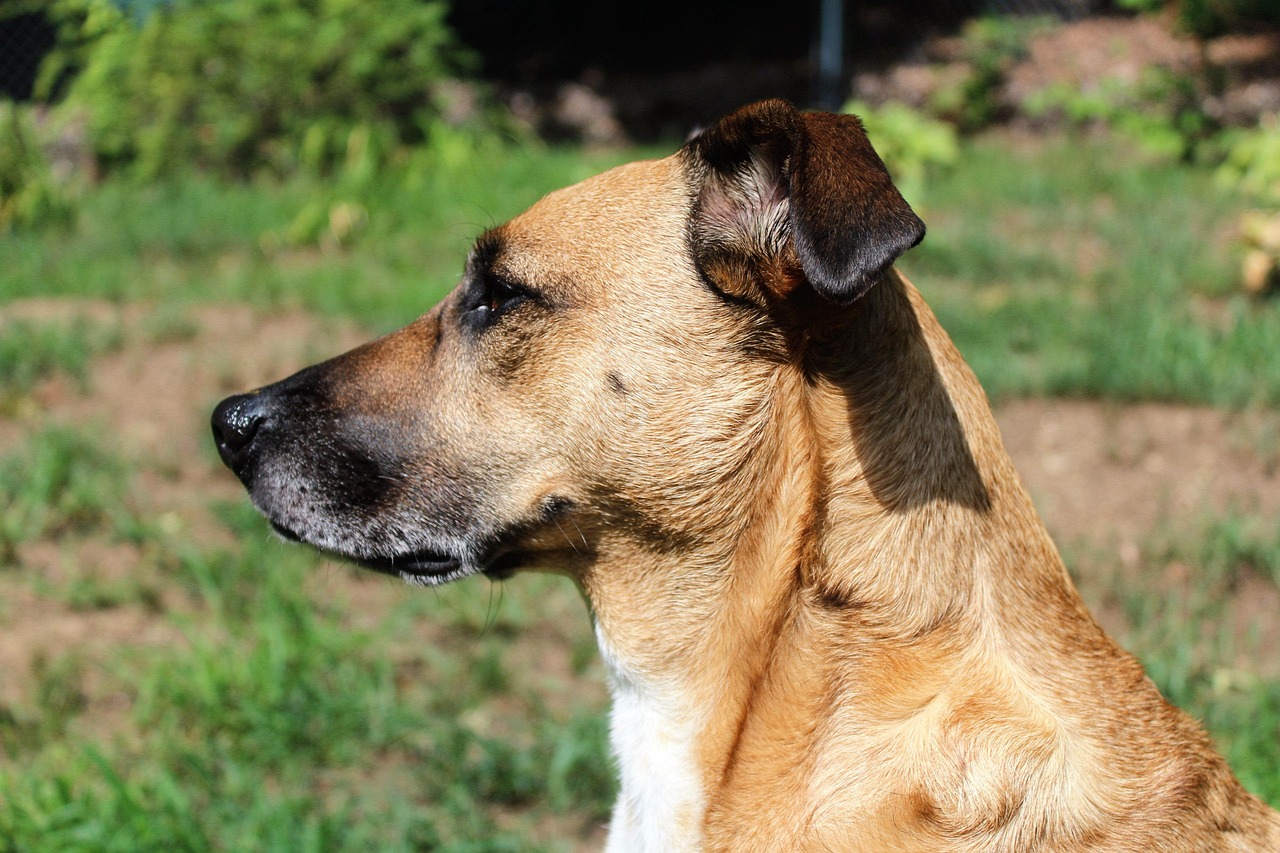

Behind the Scenes of Breed Rehabilitation in Dog Rescue
Breed rehabilitation programs play an essential role in shaping the futures of many dogs involved in rescue scenarios. Many dogs arrive in shelters facing various behavioral and physical challenges derived from past experiences. Rescue organizations often assess these dogs to tailor their rehabilitation efforts. These organizations employ behavioral specialists, trainers, and veterinarians to create individualized recovery plans. Training sessions focus on socialization, obedience, and trust-building, helping these dogs learn to adjust to their new lives. For many dogs, rehabilitation is a path toward not just finding a forever home but also becoming well-adjusted companions. The process can take weeks or even months depending on the dog’s history and temperament. In addition to training, these programs aim to educate potential adopters on the specific needs of certain breeds. Awareness is essential to prevent future issues that might lead to abandonment or rehoming. Rehabilitation involves a collaborative effort made by all involved parties, including volunteers, community members, and adopters. This teamwork fosters an environment where dogs can flourish, thus enhancing the bond formed during recovery and integration into the community.
Many breeds have distinct traits that may influence their adoption and rehabilitation process. Understanding these characteristics is critical to effective rehabilitation. For example, breeds like Pit Bulls or Rottweilers often face stigma due to misconceptions surrounding their temperament. Rescuers work tirelessly to showcase these dogs’ true nature, emphasizing their affectionate and loyal personalities. Specialized training methods can be employed to address any breed-specific behaviors that need correction during rehabilitation. Increasing awareness through public education campaigns is vital, aiming to change perceptions and increase adoption rates for these misunderstood breeds. Programs may host events where potential adopters meet large breed dogs in safe environments, showcasing their friendly behavior. These events help dismantle biases by emphasizing positive interactions. Educational materials, including brochures and workshops, guide potential adopters on how to manage certain breed traits effectively. Community involvement cultivates support for rehabilitation programs, encouraging responsible ownership. Frank discussions regarding breed characteristics can pave the way toward successful placements, ensuring that dogs are matched to homes where they can thrive. Behaviorists train volunteers and foster homes to handle rehabilitation challenges and ensure that dog and human partnerships are harmonious and successful.
The Role of Volunteers in Rehabilitation Efforts
Volunteers form the backbone of many breed rehabilitation programs, providing vital support and resources. These individuals often dedicate significant time to training, socializing, and caring for dogs in need. Volunteers undergo training to understand dog behavior, rehabilitation techniques, and breed characteristics. Many become advocates for their specific breed, spreading awareness and educating the public. They often foster dogs that require additional care or socialization before being placed in a permanent home. Foster homes allow dogs to experience a loving environment outside a shelter, which can be crucial for their mental well-being. By assessing the dogs’ progress and challenges, volunteers provide crucial feedback to trainers and behavioral specialists. Their direct interaction with the dogs aids in identifying specific issues requiring further attention. Volunteers also play a vital role in fundraising efforts, organizing events that generate necessary funds for rehabilitation programs. They coordinate community awareness events to promote the importance of spaying and neutering, responsible ownership, and the benefits of adopting. By engaging their communities, volunteers create a network of support that positively impacts the lives of dogs in need, facilitating successful rehabilitation and long-lasting partnerships.
Veterinary care is a significant aspect of breed rehabilitation programs, as many rescued dogs require medical attention upon arrival. Upon intake, veterinary staff conduct thorough health examinations to identify any underlying issues, such as parasites, infections, or chronic conditions, needing treatment. Health assessments help prioritize the needs of individual dogs during their stay in the program. Proper vaccinations, spaying, and neutering are crucial components of the rehabilitation process. Following these procedures helps prevent unwanted litters, thus lowering the number of dogs entering shelters. Veterinary professionals often collaborate with trainers and behavioral specialists, as physical and mental health can be interconnected. A comprehensive approach regarding a dog’s well-being directly affects their ability to learn, adapt, and eventually find a forever home. Support for veterinary care relies heavily on donations and community involvement. Many organizations host fundraising events specifically for veterinary care costs, including surgeries and medications. Partnerships with local veterinarians facilitate lower-cost care options, giving programs the ability to help more dogs. Consequently, a diligent commitment to proper medical care establishes a strong foundation for each dog’s rehabilitation journey, ultimately leading to successful adoptions.
Success Stories of Breed Rehabilitation
Each breed rehabilitation program is filled with inspiring success stories that showcase the resilience of dogs and the dedication of those involved in their recovery. These stories often illustrate transformations from fearful and anxious animals into beloved, stable companions. One notable case involved a Pit Bull named Max, who arrived at a shelter with severe behavioral issues stemming from abuse. After several months in a rehabilitation program, he learned to trust humans again and display his loving nature, eventually leading to a successful adoption. Curtis, a Rottweiler, had similarly daunting challenges but underwent training that built his confidence, allowing him to flourish in his new home. Volunteers, trainers, and foster families play pivotal roles in these success stories, providing support and encouragement throughout each dog’s rehabilitation process. Many adopters report that the outcomes are often more rewarding than they had anticipated, helping break stereotypes associated with certain breeds. By sharing these stories, the programs inspire others in the community to engage with and support breed rehabilitation efforts. Highlighting individual successes raises awareness and fosters a greater understanding of the unique needs of different breeds, paving the way for even more adoptions.
Another critical aspect of breed rehabilitation programs is educational outreach. Many organizations conduct workshops and seminars to inform the public about responsible dog ownership. This education helps current and potential dog owners understand the unique needs of various breeds and the importance of consistent training. Informative sessions cover training techniques, socialization methods, and breed-specific care, helping elevate the overall standards of pet ownership. Outreach programs extend beyond teaching adopters; they also involve educating communities about the consequences of pet abandonment and neglect. These initiatives seek to create a culture of compassion, encouraging responsible actions toward animals. Schools often host educational programs where children learn the value of kindness towards dogs and other pets. Collaborations with local governments can also facilitate community-wide campaigns that raise awareness about breed misconceptions. Constantly fostering a spirit of community and engagement allows rehabilitation programs to expand their impact, ultimately leading to fewer dogs ending up in shelters. By empowering individuals with knowledge, organizations can positively influence the lives of dogs and their families in their communities, further ensuring long-term success in the breed rehabilitation efforts.
Conclusion
In conclusion, breed rehabilitation programs are fundamental to improving the lives of countless dogs in rescue situations. These programs depend on a combination of specialized training, veterinary care, and community involvement to create an environment where dogs can thrive. The collaborative efforts of volunteers, trainers, and adopters form a robust support network that fosters successful outcomes. As communities gain awareness about breed characteristics and challenges, they become more supportive of adoption initiatives and advocate for responsible pet ownership. Success stories further demonstrate the effectiveness of these rehabilitation programs, emphasizing that with patience and dedication, many dogs can overcome their past traumas and flourish in loving homes. Educational outreach plays a crucial role in changing perceptions and encouraging responsible behavior in communities. The ongoing commitment to breed rehabilitation not only benefits the dogs directly involved but also enriches the lives of their families and fosters a compassionate society. Ultimately, everyone involved in these programs plays a pivotal role, reminding us that each dog deserves a chance to live its best life, free from stigma and full of love.
In summary, the importance of breed rehabilitation in dog rescue extends beyond just recovery. It encompasses the collaboration of dedicated individuals and fosters a supportive community that embraces the strengths of each breed. Through education, advocacy, and community engagement, we can change the narrative surrounding many misunderstood breeds, paving the way for increased adoptions and reduced euthanasia rates. Rehabilitation programs can alter the fate of countless dogs, allowing them to shine brightly in the lives of their adoptive families. This is a testament to the resilience and capacity for love that exists within each dog, regardless of breed. By connecting their successes to the broader community, we can create an ongoing dialogue that emphasizes humane treatment and responsible ownership. Indeed, rehabilitation is not merely about fixing behavior; it’s about fostering connections, understanding, and compassion. It’s crucial to support these programs by volunteering, donating, or even considering adoption. Every little bit helps in building a stronger foundation for dogs in need. By participating in these efforts, we don’t just help dogs; we enrich the fabric of our communities and ensure brighter futures for all.