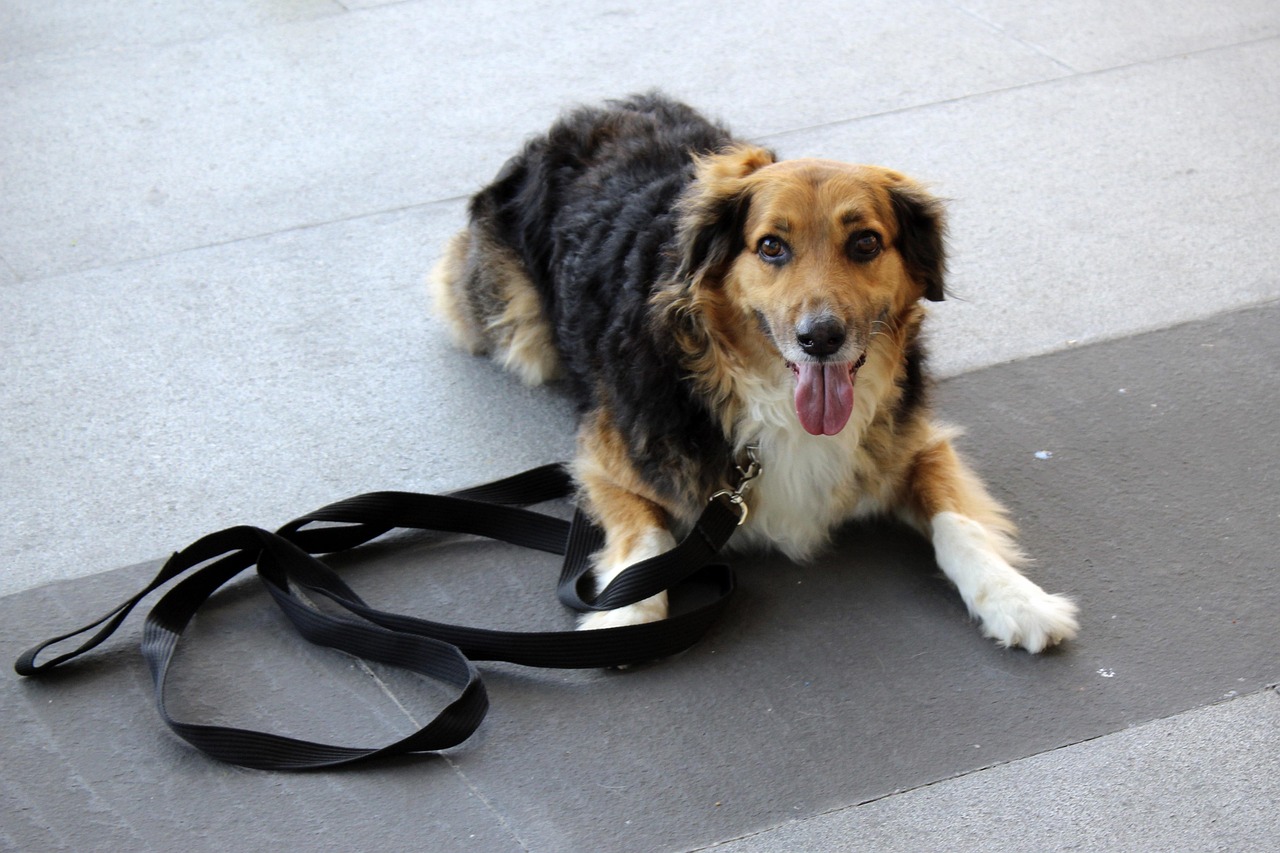

Teaching ‘Leave It’ and ‘Stay’: Core Commands for Impulse Control
Impulse control is essential for dogs to ensure they behave appropriately in various situations. The commands ‘Leave It’ and ‘Stay’ are foundational for developing this crucial skill. These commands help prevent dogs from engaging with distractions that could lead to bad behaviors or safety issues. In training ‘Leave It’, you will teach your dog to ignore items or situations that might lure them away. Begin the training in a controlled environment, using treats as positive reinforcement. Gradually increase the level of distraction as your dog masters the command. Practicing consistently will yield the best results, so incorporate practice sessions into daily routines. When your dog successfully responds to ‘Leave It,’ reward them promptly to reinforce the behavior. This method strengthens their ability to resist temptations, which is vital for impulse control. Remember that patience is key; some dogs may take longer to learn than others. Using a clicker can also enhance the training experience. Offering praise and treats makes learning fun, while discouraging unwanted behaviors ensures lasting results.
The Importance of Training Techniques
Training techniques play a crucial role in teaching your dog essential commands like ‘Leave It’ and ‘Stay.’ Effective techniques enhance communication between you and your dog, fostering a deeper bond. Start with fundamental concepts before advancing to more complex commands. Using consistency and positive reinforcement can significantly impact the learning process. Dogs respond better to encouragement than correction. This is where positive reinforcement techniques come in. Each command should be associated with a reward, whether it’s a treat, playtime, or verbal praise. The focus should be on encouraging good behavior rather than punishing mistakes. This builds trust and makes your dog more eager to learn. Additionally, utilizing engaging training strategies can keep your dog motivated and focused. Aim for short, frequent training sessions to maintain your dog’s attention. Ensure the training areas are free from distractions to maximize your dog’s success. As they grasp the commands, begin adding distractions to improve their impulse control further. Regularly practicing commands strengthens your dog’s responsiveness and reinforces the importance of these core skills in various situations.
The command ‘Leave It’ is more than just a command; it’s a safety measure designed to protect your dog. Start training in a quiet environment without distractions to help your dog focus. Hold a treat in one hand while keeping the other hand empty. Allow your dog to sniff the treat, but when they reach for it, say ‘Leave It’ firmly. If they pull back, reward them with praise and the treat from your empty hand. This reinforcement teaches your dog that good things come from resisting impulses. Repeat this exercise several times for consistency. Once your dog learns this command, gradually introduce distractions, such as toys or other treats. This progression helps solidify the command’s effectiveness in real-world situations. Consistent practice is essential; always reward them for complying with the command, even in a more chaotic environment. In addition, consider teaching your dog to swap behaviors when prompted. This additional step can further fortify their understanding of impulse control. Practicing ‘Leave It’ daily equips your dog with the skills necessary to navigate challenging situations in a controlled manner.
The command ‘Stay’ is another pivotal aspect of impulse control training. It’s essential for teaching your dog to remain in a designated position until released. To begin, have your dog sit in front of you. Once in position, take a few steps back, showing them your hand signal for ‘Stay.’ If they hold the position for a few seconds, reward them with a treat. Gradually, increase both the duration and distance away from your dog. It’s crucial to ensure they remain focused and do not move from the spot. Use a strong verbal cue, emphasizing the command as you practice. Maintaining a calm demeanor during training helps your dog stay relaxed and attentive. Be patient and acknowledge gradual improvements; every small victory counts. If your dog breaks the command, gently guide them back, using the command once again. Reinforce positive behavior to build confidence. Practice this command in various settings, progressively introducing distractions. These adaptations will enhance your dog’s ability to stay focused despite external temptations.
Challenges in Training
Training impulse control commands, such as ‘Leave It’ and ‘Stay,’ can pose challenges for some dog owners. Every dog learns at their own pace. Certain factors may affect training, including the breed, temperament, and age of the dog. Young, energetic dogs often find it hard to concentrate during training sessions. Therefore, managing your dog’s energy and focusing on the exercise is essential. Training periods should be short but frequent. Allowing enough breaks can help keep your dog engaged and motivated. Consistency is key; ensuring everyone in your household uses the same commands and techniques will aid in the training process. If there are discrepancies, it can confuse or frustrate your dog. It’s also important to be prepared for setbacks; dogs can have off days too. Recognize these fluctuations as part of the training journey. Sometimes additional motivational tools, such as toys or games, may help maintain their interest. When faced with challenges, it’s crucial to remain calm and patient. Ultimately, perseverance will yield positive results, enabling your dog to learn successfully.
Remember that training commands like ‘Leave It’ and ‘Stay’ is an ongoing process. Even after mastering these commands, consistent reinforcement is vital. Incorporate these commands into your daily routine to ensure they remain fresh in your dog’s mind. Regularly practice these commands in various environments, enhancing your dog’s ability to obey even amidst distractions. Gradually introduce more challenging situations where these commands would apply, such as outdoor walks where other dogs or tempting smells may distract them. The ultimate goal is for your dog to respond instinctively to these commands, prioritizing safety and obedience. Use positive reinforcement generously when they successfully follow through on commands in challenging circumstances. This continual reinforcement solidifies their understanding and compliance. Additionally, consider enrolling in group classes for socialization and additional guidance from professionals. Observing how other dogs respond can provide valuable insights. Social interactions can make training more enjoyable and less isolated for your dog, strengthening their impulse control skills. As your dog grows and develops, so should your training techniques.
Conclusion: Building a Strong Bond Through Training
Ultimately, teaching commands like ‘Leave It’ and ‘Stay’ is about building a strong bond with your dog. The training process creates a mutual understanding and trust between you and your pet. With each successful command, you reinforce the concept of collaboration, which is foundational in any training scenario. The skills learned through these impulse control techniques help craft a well-behaved companion, enhancing both your lives. Establishing strong communication skills leads to a clearer connection and encourages consistent behaviors. Always remember to approach training with an encouraging attitude; this not only aids in their learning but also makes the process more enjoyable. As you continue reinforcing these commands, recognize the positive impact they have on your dog’s behaviors. Consistent training nurtures impulse control, ensuring safer and more enjoyable experiences outdoors. Furthermore, celebrate your dog’s accomplishments, no matter how small. These celebrations become cherished moments that enrich your partnership. In the end, the journey to teaching impulse control is rewarding, cultivating a balanced relationship that lasts a lifetime.