
The Role of Exercise Timing in Preventing Dog Obesity
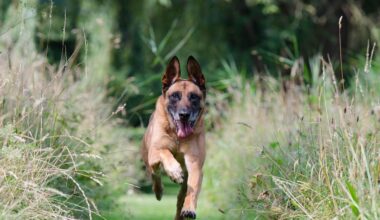
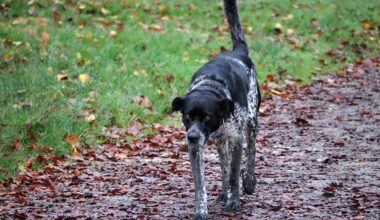
Exercise is essential for maintaining your dog’s physical and mental well-being, helping to prevent obesity. Choosing the right time of day for walks can make an impactful difference in your dog’s energy levels and health. The best times often align with cooler temperatures of early morning or late evening, especially during warmer months. This reduces the risk of overheating while engaging your dog in stimulating physical activities. A consistent daily routine helps with training your dog, establishing boundaries, and developing positive habits. Besides, exercise timing can also influence your dog’s metabolism and overall energy levels. Regular walks not only help to burn calories but also allow social interactions, which is vital for your dog’s happiness. Additionally, consider the time of day when your dog tends to be most active. Keeping an observation of their energy patterns will allow you to capitalize on their active moments. Therefore, it’s important to establish a routine that fits both your schedule and your dog’s needs, ensuring a healthier, happier pet overall. For a more vigorous exercise plan, consider scheduling two shorter sessions daily to keep your dog consistently engaged and active.
Studies show that early morning exercise can provide numerous benefits for dogs and their owners. This is when your dog has the highest energy levels, making walks more successful and enjoyable. Walking during these periods can also allow for fewer distractions, leading to a more focused experience. Furthermore, the coolness of the morning air helps in keeping your dog comfortable while exercising. Owners can also benefit from early walks by starting their day with a healthy routine, setting a positive tone for the day ahead. On the contrary, late evening walks can also be an excellent choice, helping your dog to expel pent-up energy accumulated throughout the day. Evening walks can serve as a great way to relax both you and your dog. Comfortable temperatures during evenings reduce the risk of heat exhaustion while providing a calming end to the day for both parties. A well-exercised dog is less likely to exhibit destructive behavior at home. Therefore, observing how your dog reacts to different times of day can help optimize his exercise routines tremendously. A balanced approach with varied timings could potentially lead to a stronger bond and enhance your dog’s health.
The Impact of Seasonal Changes on Dog Exercise
Seasons play a crucial role in determining the best times to exercise your dog. In summer, the midday sun can be harsh, prompting you to focus on cooler times like early morning or late evening. Regularly monitoring the weather can help ensure your dog remains comfortable and safe while exercising. Similarly, wintertime may necessitate adjusting your schedule to avoid extreme cold, which could lead to discomfort or health issues for your furry friend. Be sure to dress appropriately for the weather, including dog coats or booties if necessary. Rainy seasons can further complicate your dog’s outdoor time, leading to mud and slick surfaces. You may prefer skipping walks entirely during bad weather. Consider utilizing indoor alternatives or doggy daycare to keep your dog engaged indoors. On days when weather is less than favorable, puzzle toys or interactive games can provide mental stimulation, which is just as important as physical exercise. Adapting exercise practices according to the seasons can ensure your dog remains fit and healthy throughout the year, regardless of weather changes. Remember, a dog’s health is a priority and should always come first in these situations.
Another crucial aspect of timing your dog’s exercise is considering your dog’s breed. Certain breeds have more energy compared to others, which can influence their exercise needs significantly. High-energy dogs often require more frequent exercise sessions and might refuse to settle down otherwise. Conversely, low-energy breeds may not need as rigorous of a schedule; however, regular exercise is still vital to their health. Tailoring the timing of walks to align with the energy levels of your specific breed can make a tremendous difference. Select times that best suit their needs and are enjoyable for both of you. Moreover, considering your dog’s age is also important. Puppies will need more frequent short bursts of activity, while senior dogs may appreciate longer, slower walks. Observing and responding to your dog’s cues will promote a healthier lifestyle overall. Training sessions can also be included as part of exercise time, keeping the dog mentally stimulated as they learn new commands. Well-timed interactions can enhance obedience training as well, creating a well-rounded experience for your pet. This tailored approach contributes significantly to your dog’s well-being and helps prevent conditions like obesity.
Maintaining Consistency in Exercise Schedules
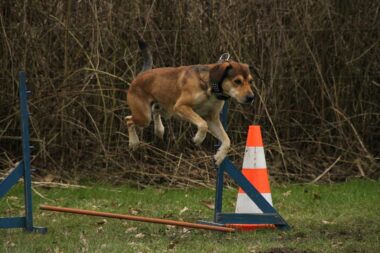
Creating a consistent exercise schedule for your dog is vital for preventing obesity. Dogs thrive on routine, and a regular exercise timeframe helps them understand what to expect. A predictable routine aids in minimizing anxiety and promotes stability. Sticking to a structured plan ensures that your dog receives the necessary physical activity essential for maintaining a healthy weight. You can also incorporate playtime into these routines, which will not only keep your dog fit but also active and stimulating. Using toys like fetch balls or frisbees during daily walks adds an element of fun and helps introduce variety while keeping the overall schedule consistent. Likewise, watch for your dog’s enthusiasm during each workout session; high levels of excitement indicate that they are enjoying the activities. It’s also essential to maintain flexibility. While a routine is beneficial, being adaptable helps address changes in weather or your schedule without impacting your dog’s fitness levels. As much as routine matters, keeping your dog’s experience enjoyable is just as important. Consistency leads to long-term results in your dog’s behavior, health, and overall happiness.
Timing also influences the types of activities you can engage in with your dog. For instance, morning dog walks may be perfect for leisurely strolls. These relaxed walks allow you to enjoy the quiet and peaceful early hours, bonding with your dog while enjoying nature. As the temperatures rise, consider switching to lighter physical activities that require less energy, such as swimming. On the other hand, if your dog’s exercise needs include vigorous workouts, timing those sessions later in the evening can help maximize energy levels while minimizing discomfort due to heat. It’s essential to discover activities suited to the time of day and the conditions related to it. Furthermore, socializing with other dogs can also be timed to benefit your dog’s interactions, which can be equally important as physical activity for fitness. Encounters in dog parks are often best arranged in either early morning or later in the evening when it’s cool, promoting a healthier play experience. Understanding how timing impacts these different activities and situations can lead to more meaningful experiences that foster better health for your beloved pet.
Final Thoughts on Dog Exercise Timing
Overall, the timing of your dog’s exercise should revolve around their individual needs, breed, and your daily routine. Creating a schedule that pays attention to these factors is essential, not only to prevent obesity but also to ensure your dog leads a fulfilling and happy life. By staying aware of seasonal patterns, weather changes, and your dog’s unique traits, you can provide them with the right amount and intensity of exercise at the most beneficial times. Frequent checks on your dog’s health and energy levels will help you modify your routine as needed to reflect their current needs. Furthermore, including a variety of activities and allowing for fun will keep your dog engaged and excited about their exercise routine. Making adjustments can maintain a balanced lifestyle, giving you and your dog a chance to enrich your mutual bond. Ultimately, exercise timing, when understood and implemented correctly, can safeguard your dog from obesity while enhancing your overall relationship. Remember, a healthy dog equals a happy owner!
The journey of preventing dog obesity through exercise timing is essential for pet owners. It lays the foundation for a happier, healthier, and more fulfilling life for your companion. The role of regular exercise cannot be overlooked. Ensuring that this activity is scheduled wisely enhances its positive impacts on your dog’s physical health, mental stimulation, and emotional well-being. Establishing a balance between routine and spontaneity will contribute to a satisfying lifestyle for both you and your pet. As a responsible owner, actively engaging in this part of their life creates strong bonds and long-lasting friendships. Each moment spent in healthy activities reinforces your relationship while promoting shared happiness. Take the necessary steps today to ensure your dog receives the best care possible, focusing on effective exercise timing. Embrace the journey ahead and enjoy the love, laughter, and exercise times with your beloved dog as they flourish into a healthy, dynamic companion.