
The Link Between Cat Aggression and Mental Health Disorders
Understanding the complexities of cat aggression entails examining the relationship between such behaviors and underlying mental health disorders. Cat aggression may result from stress, anxiety, or fear. These emotions can build up due to various factors including environmental changes, lack of socialization, or trauma. Cat owners might misinterpret these aggressive tendencies, viewing them merely as behavioral issues rather than recognizing the potential mental health aspect. It is crucial to explore how such aggression can lead to feelings of frustration for both cats and their owners. Cats might exhibit aggression towards other pets or humans as a way to express their distress. By recognizing the link between aggression and mental health, cat owners can better address their pets’ needs. Proactive engagement in understanding feline emotions can help in formulating strategies to alleviate aggression. Understanding each cat’s unique behavioral patterns allows owners to make informed decisions when adopting treatment approaches tailored for aggressive behaviors. Furthermore, using proper training methods can help manage aggression significantly.
Effective treatment for cat aggression begins with identifying the complete scope of a cat’s mental health. Consulting a veterinarian or a feline behaviorist is essential in assessing potential underlying conditions that may provoke aggression. During this evaluation, practitioners often suggest behavioral therapies and medication as necessary interventions. These treatment options can significantly impact a cat’s well-being, reducing aggression and promoting a calmer demeanor. Behavior modification techniques, such as desensitization and counter-conditioning, are frequently utilized to manage aggressive reactions. Owners should follow through with forming a safe environment that promotes positive interactions, along with gradual exposure to stressors. Along with behavioral modifications, providing cats with enriching activities, such as interactive toys or perches, can keep them mentally stimulated and reduce the likelihood of aggression. It allows pet owners to foster a deeper bond with their feline companions. Consistent routines can be reassuring for cats, further helping reduce anxiety-induced aggression as feline behavioral patterns often thrive on predictability. Regular playtime and engagement can also aid in diverting cats’ focus from aggressive tendencies.
Recognizing Signs of Aggression
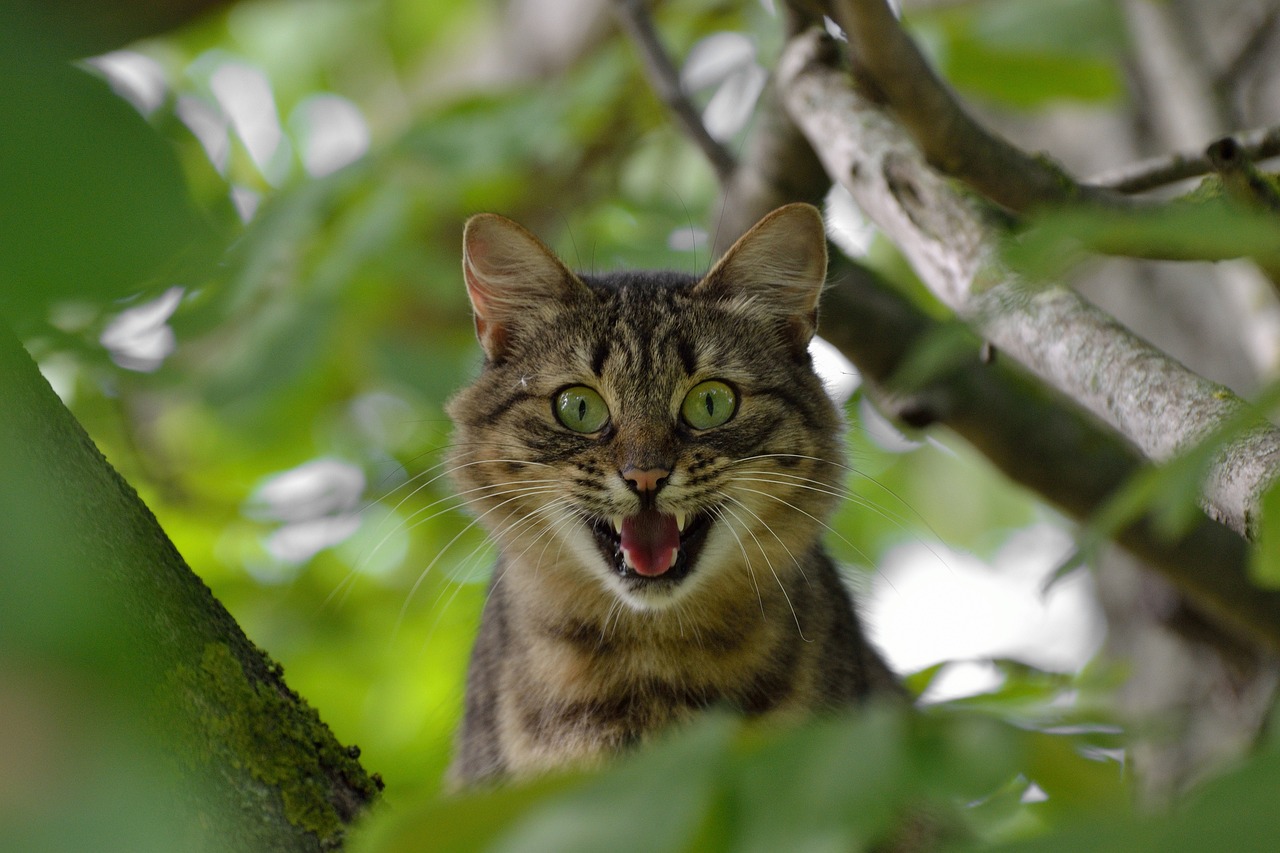
Being aware of the signs of aggression in cats is vital for prevention and early intervention. Aggressive behavior can manifest in several forms, including hissing, growling, swatting, or even biting. Such actions can be defensive or offensive. Observing your cat’s body language provides additional context; an arched back, flattened ears, or dilated pupils often indicate an impending aggressive response. Understanding these cues early on can help pet owners take appropriate measures to mitigate these reactions. If a cat is stressed due to environmental instability, addressing these issues can reduce occurrences of aggression significantly. Socialization is another key factor to consider; regularly interacting with other pets and humans helps foster a more relaxed temperament. If a cat exhibits aggression once socialized, further action may be warranted. A gradual approach can assist in adjusting to new surroundings, particularly for rescue or newly adopted cats. Finally, documenting instances of aggression can create awareness of triggers, allowing for informed interventions. Tracking patterns of aggression helps identify the root causes, ensuring more effective management solutions.
One common source of aggression in cats is territorial disputes, often leading to conflicts between indoor and outdoor cats. Cats are inherently territorial creatures. A new pet or a change in the household dynamics can provoke aggressive behavior towards perceived threats from other animals. Providing designated areas for each cat can mitigate this issue. Creating safe spaces through vertical installations, such as cat trees or shelves, enables cats to have their own territories, providing them comfort and security. When a cat feels secure, their chances of exhibiting aggression often decrease. In some cases, introducing scent enrichment may help with territorial anxiety. Each cat possesses a unique scent profile, and employees can use synthetic pheromones to create a calming atmosphere, reducing their tendency to act aggressively. Additionally, implementing a controlled introduction process between multiple cats can aid in easing tension. Gradual meal and play sessions can help build trust and slowly decrease territorial behaviors. Understanding their habitat needs ultimately improves their overall mental health and creates a more harmonious living environment.
The Role of Stress in Cat Aggression
Stress plays a significant role in driving aggressive behaviors among cats. Various stressors such as loud noises, unfamiliar environments, and overcrowding can significantly hinder a cat’s emotional stability. Identifying specific stress triggers is essential for reducing aggression. Implementing calming techniques, such as providing hiding spots or quiet areas, can help protect their comfort zones. A cat’s normal behavior changes when it is stressed, leading to sudden bouts of aggression or avoidance, requiring vigilant observation by owners. Monitoring environmental conditions and understanding when a cat experiences stress allows owners to implement relief strategies proactively. Scheduling regular routine changes after carefully considering a cat’s emotional state can help minimize anxiety and aggression. Familiarizing cats with new environments gradually can assist in acclimatizing them without overwhelming them. Altering the environment promptly when stressors become apparent can stabilize cats. Providing consistent contact with positive reinforcement alongside avoiding punishment allows pet owners to create secure relationships. Reducing overall stress is a crucial step in addressing aggressive tendencies and promoting a more peaceful household atmosphere.
Medication may often be recommended as a viable treatment option for cats exhibiting severe aggression linked to mental health issues. It is vital to prioritize a holistic approach in addressing these behavioral concerns. Various medications can help alleviate anxiety, pain, or mood disorders, leading to a noticeable reduction in aggressive tendencies. However, pharmacological interventions must be prescribed and monitored by a veterinarian. Behavioral interventions alongside medication can maximize positive outcomes. Responsible pet owners should understand that it is crucial to taper any medications, as abruptly stopping medication can lead to withdrawal symptoms and exacerbate behavioral problems. Discussing detailed diagnosis plans can provide clarity on the progress and effects of medications used. Regular follow-ups, along with observations on behavioral changes, are effective in refining treatment plans in collaboration with veterinarians. Additionally, pet owners must be patient and consistent during this process, as behavior modification and medication take time to reflect results. The combination of behavioral modification and medications can create a healthier mental state, paving the way for decreased aggression and coexistence with human family members.
Conclusion
In conclusion, understanding the interconnections between cat aggression and mental health disorders is essential for effective management. Cat owners should recognize that aggression is often a symptom of an emotional issue rather than a standalone behavior. Recognizing signs, addressing stressors, and utilizing both behavioral interventions and medications when necessary significantly enhance the well-being of both the cat and the owner. Taking proactive measures fosters a more harmonious living environment, creating a satisfying bond between humans and their feline companions. Moreover, promoting open-minded approaches to understanding the emotional landscape of these animals ensures their overall health remains superior. Consider consulting professionals and gathering information to stay informed on best practices. Adopting enriching activities and ensuring regular interaction builds a solid foundation for trust, positively impacting the cat’s mental health. Involving family members in ongoing efforts allows everyone to become part of a nurturing atmosphere. The long-term benefits of these strategies manifest in happier, healthier cats, diminishing aggressive tendencies and leading to positive behavioral changes over time. A supportive home can significantly improve a cat’s quality of life.
Cat ownership is a tremendous responsibility demanding continuous learning and adjustment to the needs of their feline companions. By understanding the link between aggression and mental health, owners can effectively implement strategies that not only address but also prevent aggressive behaviors. Acknowledging the signs of distress, providing safe environments, and facilitating behavioral modifications are effective steps toward ensuring a peaceful coexistence. As with any behavioral challenge, the journey may require time, patience, and adaptation. Yet, owners who prioritize their pet’s well-being are rewarded with more peaceful interactions. Ultimately, a commitment to understanding the emotional needs of cats can result in a more harmonious household. Focusing on preventive measures guarantees stability and nurtures a loving atmosphere. Through educational resources, owners can empower themselves with the knowledge necessary to address aggression and mental health challenges proactively. Through collaboration with professionals and a willingness to adapt to the consequences of their pet’s mental health, owners create a world where felines thrive.