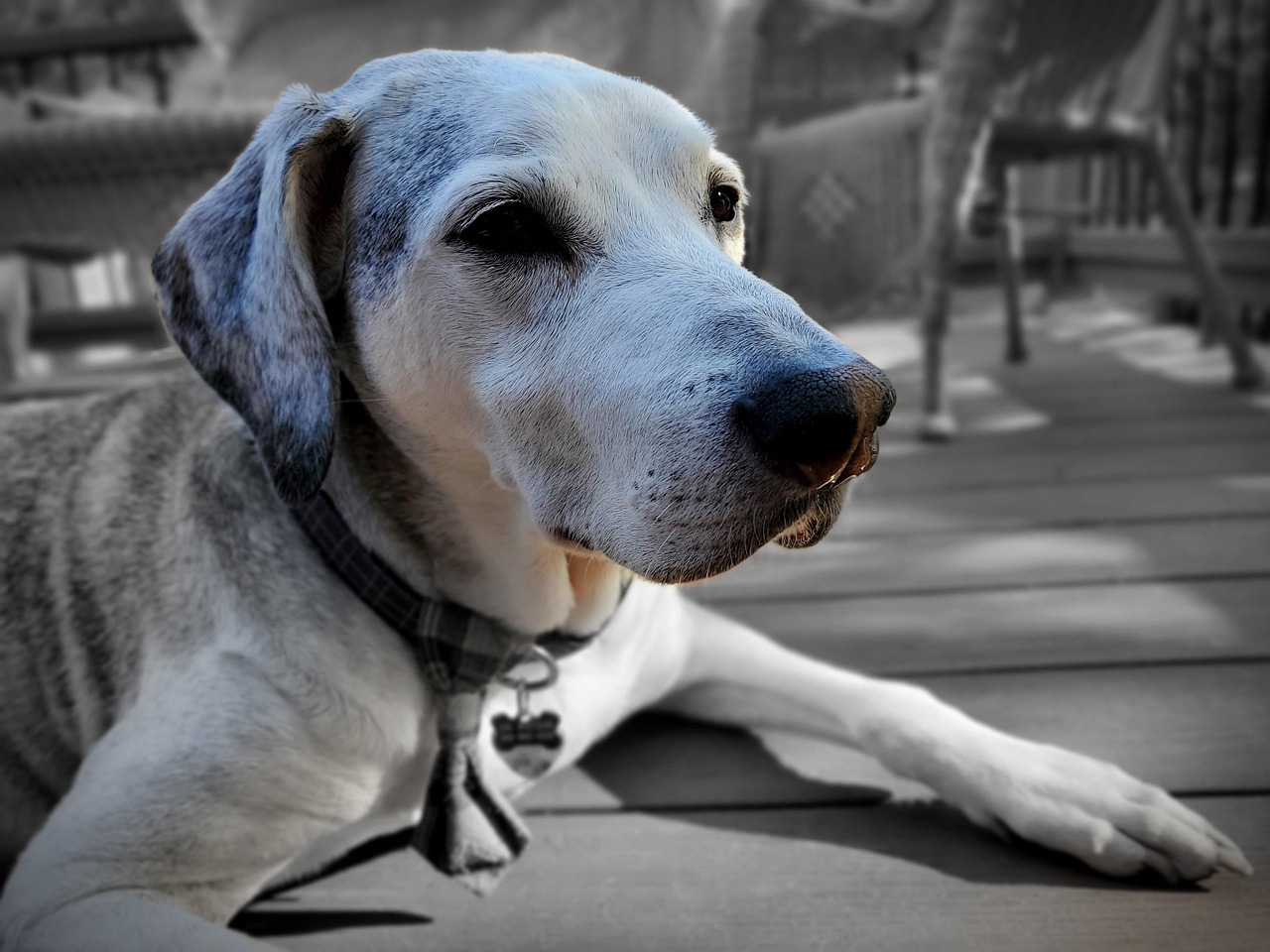

Common Health Issues in Senior Dogs and How to Prevent Them
As our beloved dogs age, they face various health challenges that require careful attention from their owners. One common issue is arthritis, a degenerative joint disease that affects mobility. Signs include limping, difficulty standing, or reluctance to exercise. Regular vet check-ups can help diagnose this condition early.
Maintaining a healthy weight through diet and exercise alleviates pressure on the joints, improving mobility and overall comfort for your dog. Supplements like glucosamine can also support joint health. Another issue is dental disease, which occurs due to the buildup of plaque and tartar, leading to gum inflammation. Regular dental check-ups and professional cleanings are essential in preventing serious issues. At home, brush your dog’s teeth regularly with vet-approved toothpaste. Additionally, providing dental chews can reduce plaque buildup. Lastly, older dogs are at a higher risk for cancers such as lymphosarcoma and mast cell tumors. Regular health screenings, such as blood tests or imaging, can aid in early detection. Watch for unusual lumps, changes in appetite, or energy levels. Having discussions with your vet about preventative strategies is crucial.
Another significant concern in senior dogs is heart disease. This condition often goes unnoticed until it becomes severe, causing symptoms like coughing, fatigue, or difficulty breathing. Regular veterinary examinations that include heart health assessments are essential. Maintaining a well-balanced diet low in sodium can prevent further cardiovascular strain on an older dog’s heart. Moreover, regular exercise promotes a healthy heart and metabolic function. Adjusting activity levels based on your pup’s stamina is crucial for their wellbeing. Additionally, monitor for any signs of respiratory distress, as prompt veterinary intervention can improve outcomes significantly. Senior dogs are also vulnerable to kidney disease, which can affect various organ systems and overall health. Common indicators include increased thirst, frequent urination, and weight loss. Early and ongoing blood tests can help detect renal function decline. A special diet designed to support kidney health can be beneficial, along with increased water intake to flush out toxins. Consider incorporating wet food options or providing fresh water regularly. Your vet may also recommend managing any related health conditions, emphasizing the importance of monitoring your dog’s health closely.
Preventative Measures for Senior Dogs
Another health concern includes diabetes, which is increasingly common in older dogs, particularly those that are overweight. Symptoms like increased thirst, urination, or lethargy can signal this condition. Routine blood tests enable early diagnosis, which is crucial for effective management. Dietary modifications, such as using low-glycemic foods, can help, along with consistent monitoring of blood sugar levels. Regular exercise is also vital for managing diabetes, fostering weight loss and metabolism improvement. Beyond these issues, cognitive dysfunction syndrome is a condition that many senior dogs develop, similar to dementia in humans. Signs may entail disorientation, changes in social interactions, and disrupted sleep patterns. Keeping your dog mentally stimulated through interactive toys and games can delay or mitigate symptoms. Consult your veterinarian for tailored strategies to keep your pet’s mind sharp. Always encourage routine social interactions to ensure emotional wellbeing as well. Cost also plays a role; managing chronic conditions often requires budgeting for medications, specialized diets, or recurring veterinary appointments. Preparation enables you to provide the necessary care and resources to safeguard your senior dog’s health.
Another important area of focus is nutrition, which significantly impacts a senior dog’s health. Aging dogs require a diet rich in antioxidants that help combat oxidative stress, supporting cellular health. Foods containing essential fatty acids can also promote a healthy coat and skin while improving cognitive functions. Look for high-quality ingredients that provide balanced nutrition suitable for your senior dog. Regularly consult your veterinarian about any dietary changes, as they can assist in personalizing your dog’s nutrition plan. Furthermore, hydration plays a crucial role in maintaining your senior dog’s health. Ensure your dog has constant access to fresh, clean water to promote hydration and help kidney function. Specialty water bowls or fountains can encourage your dog to drink frequently. Also, consider low-sodium broth to add flavor if your dog struggles with water intake. In addition, if your senior dog is suffering from obesity, weight management is essential. Obesity aggravates existing health issues and can lead to new problems like joint pain or diabetes. Adjust your dog’s feeding schedule and practice portion control to maintain optimal weight. Combine this with regular exercise tailored to your dog’s abilities to promote healthy weight management for overall fitness.
Regular Exercise for Senior Dogs
Regular exercise is fundamental in supporting a senior dog’s overall health. It helps maintain a healthy weight, promotes flexibility, and keeps the dog’s joints moving. Engaging in low-impact activities like leisurely walks or swimming can significantly benefit senior dogs by allowing exercise without excessive strain. Create a consistent routine that accommodates your dog’s energy levels, adjusting them as necessary based on their comfort and capabilities. Shorter, more frequent walks may be preferable for some dogs instead of one long walk each day. Additionally, consider incorporating gentle playtime sessions to stimulate both their minds and bodies. Enrichment activities like puzzle toys encourage mental engagement while promoting a healthy lifestyle. Monitoring your dog’s condition regularly is essential, noting any new limitations they may exhibit. If you agree with your veterinarian, performing short and positive reinforcement training can foster cognitive abilities while boosting confidence and self-esteem. Not every senior dog will respond to exercise the same way, so accommodating their unique needs is crucial. All of these efforts contribute significantly to enhancing your senior dog’s quality of life, ensuring they remain active, healthy, and happy throughout their golden years.
Furthermore, senior dogs frequently face skin issues as they age. Their skin becomes thinner and less elastic, making it more susceptible to issues like dermatitis or hot spots. Regular grooming helps to keep your dog’s skin healthy. Brushing removes loose hair, dirt, and dander while promoting circulation and redistributing natural oils. Be vigilant for any signs of skin irritation, including redness, swelling, or unusual itching. Products designed specifically for sensitive skin can aid in preventing issues. Consult your vet for the best grooming practices tailored to your dog’s specific needs. Additionally, seasonal allergies can worsen skin conditions as they age, so recognize potential allergens in your dog’s environment. Avoid exposure to pollen-heavy areas or consider air purifiers indoors. This is crucial for providing a comfortable habitat. Furthermore, rebuff any irritation by providing a balanced diet full of essential nutrients. Supplements like omega fatty acids may improve skin health significantly. Lastly, be aware of skin tumors, which may present as lumps or bumps. Regularly check your dog’s coat and skin to catch any changes early. Many skin conditions are manageable with timely veterinary intervention and proper care for senior dogs, greatly improving their quality of life.
Conclusion: Challenges and Love
In conclusion, managing a senior dog’s health poses various challenges, but with proper care and attention, their quality of life can greatly improve. Always prioritize routine check-ups for early detection of any possible health issues. Engaging your senior dog with appropriate levels of exercise and interactive play enhances their mental and physical wellbeing. Awareness of specific health problems in senior dogs, such as arthritis, heart disease, diabetes, and skin issues, enables preventative measures to be implemented. Providing a balanced diet, hydration, and maintaining a healthy weight are crucial aspects of care. Emphasizing the importance of companionship, consider their emotional health, as well. Social interactions and environmental enrichment can help in maintaining a happy demeanor. Finally, embracing the love and loyalty that senior dogs provide is a reminder that they deserve a fulfilling life, no matter their age. Senior dogs bring joy and companionship, so invest in their health and happiness at every stage of life. This commitment ensures they receive the best care possible, resulting in many rich years filled with shared moments of love and discovery. Prioritizing their health reflects the love and dedication we owe our loyal companions.
Should you notice any concerning signs or symptoms in your senior dog, always reduce hesitation in seeking veterinary help. Early treatment can often manage or reverse potential health issues. Make adjustments to their environment to ensure it remains safe, comfortable, and welcoming for daily activities. Anticipate changes that positively influence their quality of life. Continuous support allows them to maintain interaction with you and those close to them, ensuring healthy relationships flourishing over time. With dedication and love, you can improve conditions that help your senior dog thrive. Providing appropriate care means not overlooking any need—physical, mental, or emotional. Always keep meticulous records of their health changes to discuss during vet visits. Document any changes in behavior or appetite to promote better communication with your veterinarian. Lastly, remember that every dog ages differently, so understanding their unique needs is vital. By actively taking steps to ensure their health, your relationship with your senior dog can be even more rewarding. By prioritizing their health, you honor the bond that companionship builds, cherishing every moment that each dog brings through the years. With diligence, patience, and love, your senior dog can enjoy their golden years fully.