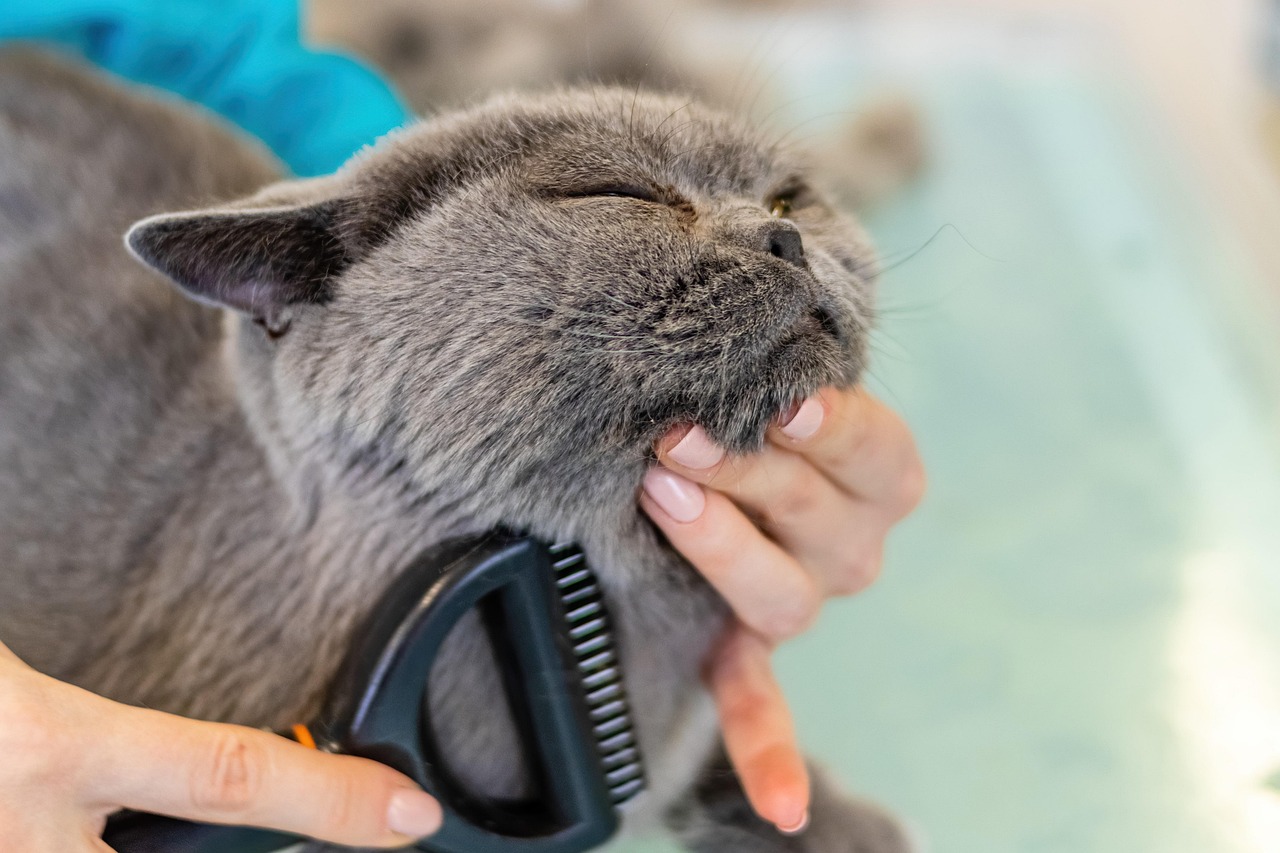

How to Train Your Cat to Wear a Grooming Collar
Getting your cat accustomed to wearing a grooming collar can be a challenging endeavor. However, patience and understanding can ease this process significantly. Initially, allow your cat to explore the grooming collar without trying to put it on them right away. Lay the collar on the ground in a familiar space where they feel safe. Once they start inspecting it, make sure to reward them with treats or verbal affection. Associating this collar with positivity can help create a favorable impression. After several days of letting them familiarize themselves with the collar, try to gently place it around their neck. Make sure it’s loose enough to avoid discomfort while still secure. Use treats to strengthen the positive reinforcement. It’s important to monitor their reaction carefully. If your cat appears nervous or distressed, take a step back and give them additional time to adjust. Spend time playing with them when they wear it to create a more enjoyable experience.
Before attempting to put the grooming collar on your cat, ensure it fits well. This includes checking its size and adjustability, which are crucial for your cat’s comfort. You can measure your cat’s neck using a soft measuring tape, ensuring you leave a finger’s breadth for a fit that is snug but not overly tight. Some collars come with adjustable features that accommodate varying sizes, which can be beneficial as your cat grows. Additionally, choose a collar made from soft, non-irritating materials to enhance comfort. The goal is for your cat to associate this collar with a feeling of safety rather than a source of irritation. Once you ensure the collar fits and is adjusted correctly, let your cat wear it for short periods initially, gradually increasing the duration as they become more accustomed to the sensation. This gradual approach reduces resistance and helps your cat adjust without fear. Frequent checks on the collar’s fit and condition are vital to prevent any accidents or discomfort during grooming sessions.
Positive Reinforcement Techniques
Positive reinforcement is one of the most effective methods to help your cat adjust to a grooming collar. This technique involves rewarding your cat immediately after they display desired behavior. For instance, when they let you place the collar around their neck, reward them with treats or their favorite toy. This positive feedback loop can significantly reduce anxiety and create a sense of accomplishment for your cat. Consider using different treats or toys to keep them motivated and engaged throughout the training process. Additionally, maintain a calm and gentle demeanor during training sessions, as your attitude can affect your cat’s anxiety levels. Avoid showing frustration or impatience; instead, take breaks if your cat seems overwhelmed. Always end training sessions on a positive note, even if your cat only wears the collar briefly. This approach encourages your cat to associate wearing the grooming collar with pleasant experiences, making it more likely they will comply during grooming sessions in the future, ultimately leading to a smoother and more rewarding grooming experience.
Socialization plays a critical role in training your cat. If your cat is comfortable around other pets or people, this may help lessen their anxiety regarding the grooming collar. Allow your cat to experience normal daily activities while wearing the collar to foster desensitization over time. This means encouraging them to perform their normal behaviors—eating, playing, or even engaging with other pets. The more time they spend in a relaxed environment while wearing the collar, the more likely they’ll adapt to it as a regular part of their routine. Additionally, exposing them to various stimuli in a controlled manner may help build their confidence. If your cat starts to show positive behaviors, such as playing or purring, acknowledge this with praise or treats. Your affirmation goes a long way in reinforcing the association between the collar and their normal activities. Over time, this method will enable your cat to wear the collar without the previous level of anxiety, rendering the grooming process smoother for both of you.
Short Training Sessions
When training your cat to wear a grooming collar, it’s essential to keep training sessions short and positive. Cats typically have shorter attention spans, so focusing on brief, rewarding sessions allows for effective learning. Aim for sessions that last approximately 5 to 10 minutes. Within each session, you can introduce the collar, reward their acceptance, and slowly increase the collar’s presence in their daily life. Consistency is vital during these short sessions, so try to conduct them at the same time each day to create a routine. This can be in conjunction with their feeding schedule or playtime, further solidifying the connection between comfort and the collar. Paying attention to your cat’s body language during these sessions is equally important. If you notice signs of stress, such as hiding or excessive grooming, it may be time to pause. By being responsive to their needs, you ensure a gradual and successful acclimation process. This method can eventually encourage a positive relationship with grooming and help reduce your cat’s anxiety.
Creating a calm environment is another significant factor in successfully training your cat to wear a grooming collar. Cats tend to be sensitive to their surroundings, so having a tranquil setting during training sessions will enhance their ability to adapt. Choose a quiet room free from distractions or loud noises, where your cat feels safe and secure. Using calming scents, like lavender, can also help soothe your cat’s nerves. You may consider utilizing soft music or ambient sounds designed for pets, creating a stress-free environment. Lighting should be soft and gentle, avoiding overly bright or harsh environments. Providing cozy hiding spots or safe zones can empower your cat, giving them a sense of comfort. Engage with your cat, reassuring them verbally throughout training sessions. This reassurance creates a nurturing atmosphere and reinforces your bond. As they become more comfortable with grooming over time, introduce the collar into their environment without immediate pressure to wear it. This gradual introduction in a soothing environment can promote a positive association with the grooming collar.
Gradual Introduction to Grooming
After your cat accepts wearing the grooming collar, the next step involves gradually introducing actual grooming. Start with brief sessions of gentle brushing, allowing your cat to get used to the sensation without overwhelming them. Initially, focus on the areas your cat enjoys being touched. These sessions should be kept short, increasing duration as your cat becomes more comfortable. Praise and rewarding behaviors, such as sitting calmly during grooming, reinforces good behavior and promotes positive associations. Use grooming tools designed for cats and match them to your cat’s fur type; this will help minimize discomfort during grooming. Additionally, consider scheduling grooming during times your cat is naturally relaxed, such as after meals or playtime, to create a more enjoyable atmosphere. If your cat exhibits anxious behaviors, slow down the process and provide breaks, allowing them to process the experience fully. Your gradual, patient approach can transition grooming from a chore into a pleasant bonding activity for both you and your cat, establishing trust as you both become accustomed to the routine. Keeping training sessions enjoyable ensures long-term success.
In conclusion, training your cat to wear a grooming collar requires patience, consistency, and a keen understanding of your cat’s behavior and needs. Following the steps outlined in this article will create a gradual and nurturing environment for your cat’s introduction to grooming. It’s essential to remember that learning is a process, and different cats will respond variously to the training methods. If needed, seek advice from a veterinarian or a professional groomer who can provide additional insights tailor-made for your cat’s personality. Continuously observing your cat’s reactions and making adjustments to the training plan can lead to a smoother experience. Most importantly, keep in mind that successful training relies not just on techniques, but also on creating a trusting relationship. Gradually unveiling grooming as a positive experience can reward you with a more relaxed and cooperative cat. The ultimate aim is to cultivate a grooming routine that benefits both your cat and your experience together. Embracing the entire process with love and understanding will ensure that grooming becomes a welcomed part of your cat’s life.