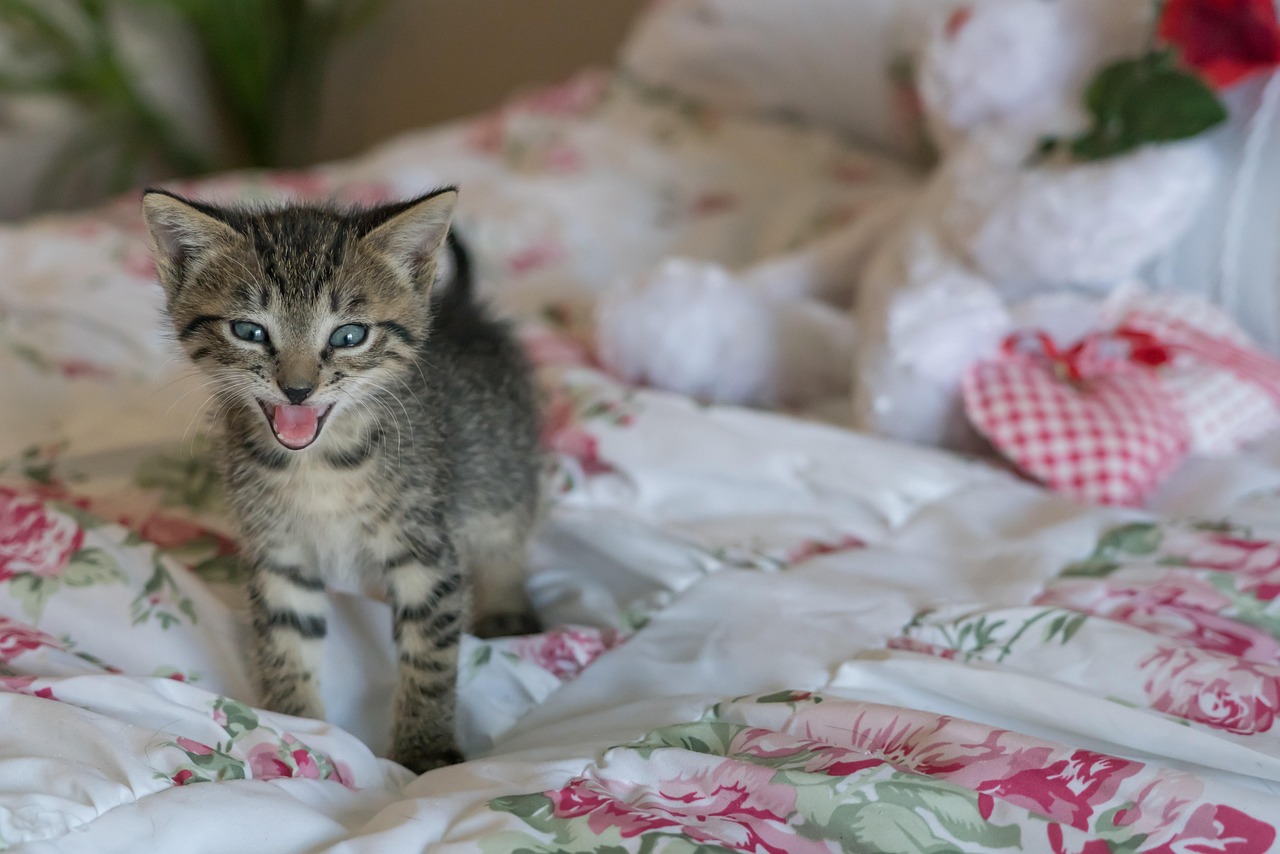

Dealing with Kitten Anxiety During Fostering Periods
Fostering kittens can be a rewarding experience, but it often comes with challenges such as anxiety. Kitten anxiety might manifest as hiding, excessive meowing, or destructive behavior. Understanding these behaviors is crucial for assisting the kittens to acclimate. It’s essential to create a calming environment that fosters trust and comfort. Start by providing a safe, designated space where they can retreat when feeling overwhelmed. Soft bedding and familiar scents can make this spot more inviting. Gradually introduce them to your home, allowing them to explore at their own pace. This prevents overwhelming stimulation, reducing stress levels. Additionally, using pheromone diffusers can create a soothing atmosphere. They work to mimic scents that comfort cats, thus potentially alleviating anxiety symptoms. Ensure that you have all the necessary supplies ready. Food, water, litter, and hiding spaces should be available. Patience is key; every kitten is unique, and their adjustment periods can vary significantly. Through your gentle, caring approach, you help them feel secure, ensuring they receive the best possible care while they await their forever homes.
Being aware of signs of anxiety is vital for foster caregivers. Each kitten’s personality dictates their interactions and coping behaviors. Some may take longer to adjust than others, leading to fear-induced actions like aggression or scratching. It’s essential to recognize these behaviors early on. Establish a routine that incorporates playtime, feeding, and socialization. Keeping a consistent schedule helps the kittens gain a sense of security. One effective technique is the use of interactive toys that stimulate mental engagement. This is crucial as it diverts their attention from stressors, allowing their minds to focus on something positive. Encourage gentle play that fosters bonding; however, if a kitten seems scared or stressed, respect their boundaries and give them space to regain composure. Moreover, providing various enrichment activities can lessen anxiety. Simple cardboard boxes, scratching posts, or safe toys inspire curiosity. Use such items to promote exploration and play. Sometimes, even gentle background music or quiet sounds can pacify anxious kittens. Through these strategies, you create a harmonious environment where each kitten can thrive and eventually transition into a loving home.
Nutrition and Kitten Anxiety Management
The role of nutrition in managing kitten anxiety cannot be overlooked. Feeding a balanced, nutritious diet is fundamental for their overall health, which influences their behavior. Proper nutrition enhances their physical well-being, affecting everything from energy levels to emotional stability. Opt for high-quality kitten food that contains essential nutrients like proteins, vitamins, and minerals. This supports their developing bodies and promotes resilience against stress. It’s also a good idea to maintain a consistent feeding schedule, which contributes to their sense of routine and stability in a foster home. Remember that different kittens may have distinct dietary needs; some might require special foods for sensitive stomachs or growth considerations. Always consult with a veterinarian if you notice any dietary issues or behavior changes related to feeding. It’s advisable to keep fresh water available throughout the day, promoting hydration. In addition to dry and wet food options, check for any possible allergens that may lead to discomfort. Lastly, observe their eating habits closely; if a kitten seems uninterested or anxious around food, addressing these concerns promptly is vital for their well-being.
Building a bond with your foster kitten is a gentle process that requires time and patience. Establishing trust is essential, as it directly correlates with reducing anxiety levels. Spend time quietly sitting near the kitten’s space, allowing them to approach you on their terms. Use treats and soft-spoken words to create positive associations with your presence. Avoid abrupt movements or loud noises, as these can frighten a timid kitten. Instead, engage in quiet activities nearby. Reading aloud, for example, can help your kitten get accustomed to your voice and presence while feeling secure. Gradually, initiate brief interactive sessions, like gentle petting or play with toys, ensuring that the kitten feels comfortable throughout. Observe their body language; if they seem relaxed, continue bonding activities, but if they retreat, give them space. It’s important to let the kittens dictate the pace of the bonding process. By fostering a consistent, positive connection, you will build a foundation of trust that ultimately helps alleviate their initial anxiety. This nurturing dynamic sets the stage for a smoother transition into their forever homes.
Environmental Enrichment Techniques
Creating an enriching environment can significantly reduce anxiety in foster kittens. Engaging their natural instincts is crucial for mental stimulation. Offer various toys that are safe and stimulating—think of wand toys, laser pointers, and balls. Climbing structures like cat trees encourage exploration and physical activity, providing a fun outlet for energy. Make use of vertical spaces and hiding spots as they are important for a kitten’s emotional health. Having areas where they can escape and observe their surroundings from a safe spot promotes comfort and security. Alongside physical items, consider the auditory environment. Kittens can benefit from soft, calming music or nature sounds, which have been shown to soothe pets. Alternatively, avoiding loud TVs, vacuum cleaners, or yelling can prevent unnecessary stress. Supervised outdoor time in secure spaces allows for exploration, fresh air, and sunlight. If feasible, consider introducing them to a safe, enclosed patio or garden. This exposure helps them develop confidence while maintaining a sense of security. Overall, an enriched environment filled with engaging activities significantly benefits their mental health during the fostering journey.
Socialization plays a key role in reducing anxiety for foster kittens. Early exposure to various situations and experiences makes a significant impact on their adaptability. This can include interactions with humans as well as other pets. If your household has adult cats or dogs, careful introductions can provide beneficial companionship and simulate a normal home environment. Monitor the encounters and ensure they remain positive. Additionally, consider inviting friends or family over to meet the kittens. Controlled environments with gentle handling will build confidence and social skills. Essential to this process is using positive reinforcement. When a kitten exhibits brave behavior—like exploring a new area—reward them with treats or affectionate praise. This conditions them to associate new experiences with positive outcomes, gradually reducing anxiety-related responses in the future. Kindness, consistency, and patience will naturally help shape kittens into well-adjusted pets. As they progress, gradually increase their exposure to different noises, environments, and other animals. Over time, this will ease anxiety and foster their confidence, preparing them ideally for forever homes.
Conclusion and Future Care
Understanding and addressing kitten anxiety during the fostering period is essential for ensuring their well-being. Every kitten is unique, with distinct personalities and experiences that shape how they cope with stress. As a foster caregiver, providing a loving, enriching environment plays a vital role in assuring them comfort and support. Remember that patience is key, as anxious behavior may not disappear overnight. Continue reinforcing positive behavior and giving ample time for them to explore their surroundings securely. As the kittens adjust and grow, the connections you establish will prepare them for the transition to permanent homes. Be sure to maintain open communication with potential adopters about any anxiety-related issues. Providing tips and experiences will empower new owners in helping their kitten feel secure at home. Continue to invest in your knowledge about cat behavior, as this will benefit future foster efforts. Each fostering experience adds to your understanding, contributing to a positive cycle of care. Ultimately, your dedication and compassion make a tremendous difference in these kittens’ lives, giving them a bright future filled with loving companionship.
As each fostering journey concludes, reflect on the progress made by the kittens. Celebrate their milestones and successes, no matter how small! Whether it’s overcoming a fear or learning to trust, these achievements are invaluable. Documenting their growth can help you appreciate the journey and may offer insights for future kitten fosters. Photos and notes of their playful and curious moments are splendid reminders of the effort invested. Consider connecting with other foster caregivers to share experiences and strategies that worked well. Community support can provide invaluable insights and encouragement as you continue fostering. Sharing the challenges faced, alongside the victories, fosters collaboration in finding new solutions. Remember to allow space for your emotions too; foster caregivers often develop strong attachments. Giving yourself permission to feel a variety of emotions as you foster reflects the deep care you have for these animals. Ultimately, fostering impacts not just the kittens but also you as a caregiver. By managing their anxiety and nurturing their growth, you positively influence their lives and pave the way for countless rewarding experiences.