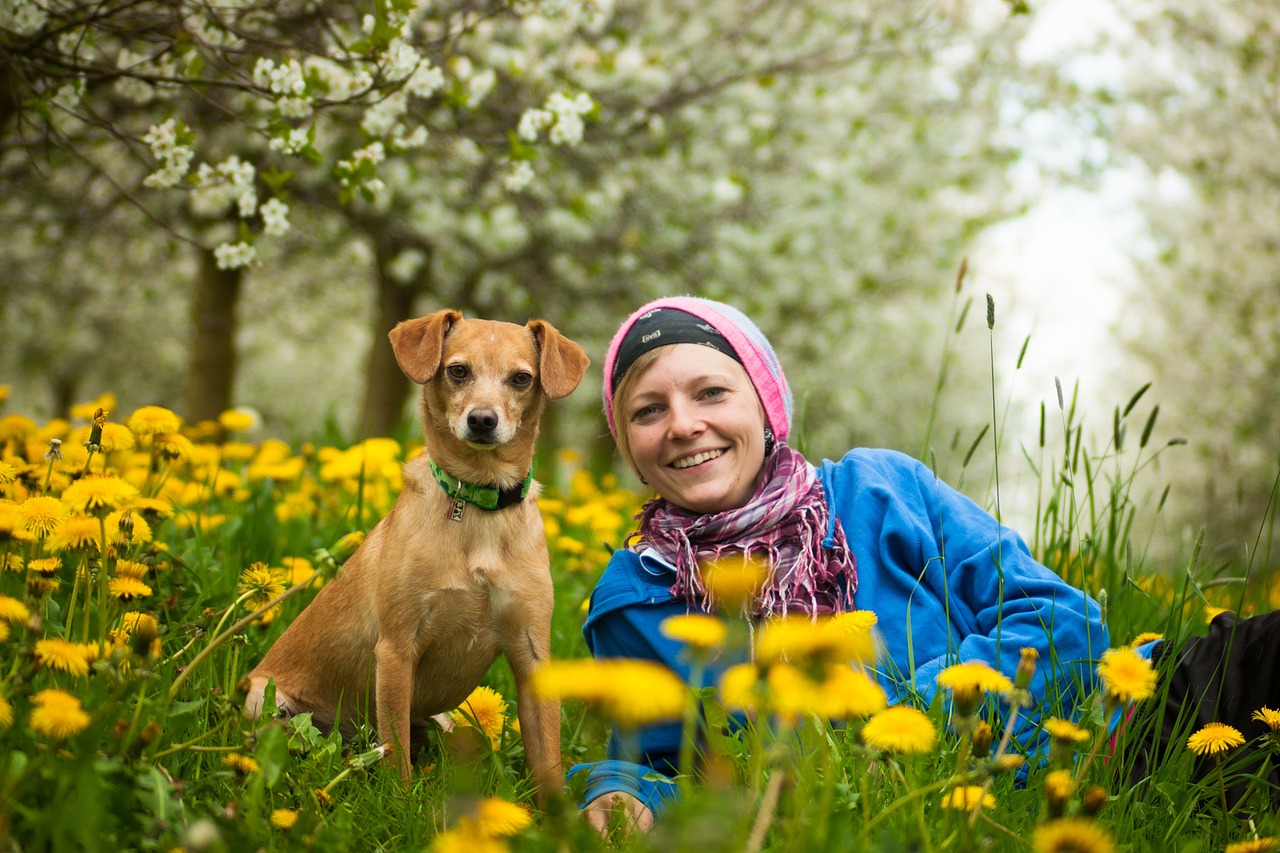

Top Dog Sports for Team Building: A Comprehensive Guide
Building a successful dog sports team requires dedication, organization, and passion. Emphasizing the importance of teamwork, these sports foster strong bonds among participants and their canine companions. Engaging in dog sports not only enhances the skills of the dogs but also promotes good health, social interaction, and a sense of community. To create a successful team, start by selecting a suitable sport, ensuring every member shares a common goal and enthusiasm for their chosen activity. Popular options include agility, obedience, and flyball, among others. Consider the dog’s strengths and weaknesses to match them with the sport that best fits their abilities and temperament. Provide opportunities for all team members to volunteer in training sessions, thereby fostering camaraderie and mutual support. Encourage regular communication among members regarding schedules, dog health, and training techniques. Coordinated efforts enhance progress and understanding, ensuring each dog reaches its full potential. Ultimately, establishing a supportive and encouraging environment within your dog sports team can lead to enjoyable experiences for both humans and their canine buddies.
Benefits of Dog Sports for Team Cohesion
Participating in dog sports results in numerous benefits that extend beyond just physical activity. One of the most significant outcomes includes enhanced team cohesion as individuals learn to work collaboratively. Collaboration is essential in sports, requiring team members to synchronize their training routines and develop strategies together. This unity cultivates friendships and great connections among team members over time. Moreover, team building naturally leads to communication enhancement, where members express their ideas and concerns openly. These discussions create a welcoming environment, allowing everyone to participate and express their opinions. Another key benefit is improved trust between team members and their dogs, as training effectively relies on trust for success. This bond extends beyond the sports field, positively influencing the handlers’ and dogs’ overall behavior. Stress relief is another advantage derived from participating in dog sports. Engaging in physical activities, socializing, and spending quality time with dogs leads to less stress and more happiness for both people and pets. Team participation nurtures a feeling of belonging and pride that cultivates lasting relationships and community.
Before establishing a dog sports team, it’s crucial to assess the skill levels and needs of prospective members. Having a well-rounded understanding of everyone’s abilities—both canines and humans—ensures smooth progression throughout training sessions and eventual competitions. Conduct informal evaluations focusing on the experience of participants and their dogs in any relevant dog sports. From beginner to advanced, tailoring your approach benefits everyone involved. Thus, it’s essential to create training opportunities suitable for all skill levels. Implementing mixed training sessions also allows experienced members to pass their knowledge down to newer participants. This mentorship is invaluable for accelerating the learning process and facilitating connections among team members. Further, encourage vet checkups for the dogs, ensuring that every participant is healthy and fit for training. Address any physical concerns before they negatively impact progress and bonding. Organize workshops or classes that provide foundational skills necessary for the chosen sports. Through thoughtful planning, you can now foster an environment where everyone, regardless of their starting point, feels welcome and encouraged to improve alongside their dog, strengthening the overall team.
Choosing the Right Dog Sport
Selecting the most appropriate dog sport for your team is paramount for success. The team’s objectives and members’ preferences should guide this decision. Popular dog sports, such as agility, obedience, and dock diving, appeal to various individuals, offering distinctly different experiences. Research each sport’s demands, rules, and requirements before committing, ensuring all members are on the same page. Assess the abilities of each team member’s dog, as their physicality and temperament play a significant role in their suitability for specific sports. Consult with professional trainers to gauge performance potential based on each dog’s personality and capabilities. This foundation will greatly boost overall success and camaraderie within your team. Additionally, when initiating new members, hosting meet-and-greet events fosters an inviting atmosphere while allowing prospective participants to learn about the different sports. Consider arranging practice sessions where newcomers can experience various activities and express their preferences. Ultimately, aligning member interests and dog capabilities can create a thriving sports team among friends and canines, motivating everyone to work toward shared goals within the chosen activity.
As you build your dog sports team, it’s crucial to develop a training plan that promotes consistent progress among members. Establish regular training sessions that align with the team’s overall goals, ensuring everyone has ample opportunities to practice their skills. Training sessions should ideally be held weekly, though considering the participants’ schedules is vital. Encourage members to collaborate on determining the best times and locations for collective training—this enhancement of communication fosters teamwork. During training, incorporate various activities to keep sessions interesting and enjoyable. Mixing up drills and exercises prevents monotony and fuels motivation. It also allows for a broader skill development for both dogs and handlers. Remember to maintain a positive atmosphere, where encouragement and constructive feedback reign supreme. Celebrate small accomplishments and improvements, as this reinforces motivation and excitement. Set team milestones with specific benchmarks that can be achieved collectively, thus promoting accountability amongst all members. Host friendly competitions within the team to nurture a healthy competitive spirit while fostering strong bonds. This continuous engagement bolsters individual and team confidence, ultimately contributing to a successful dog sports team dynamic.
Competing Together: Tips for Success
With your dog sports team developed, it’s time to consider competition. Participating in events can be thrilling and provides opportunities to showcase the hard work and training that members have devoted. To foster success, members need to agree on participation criteria and scheduling. Designate a captain or point person to facilitate communication and coordination of competition entries. Staying organized ensures smoother participation during events. Prioritize preparation by mapping out competition schedules and discussing expectations with all team members ahead of time. Encourage practice sessions focusing on performance under pressure, imparting the skills needed to handle competition day jitters. During competitions, create a supportive environment by cheering for one another and sharing tips in real-time. Emphasizing camaraderie helps reduce anxiety, allowing both the dogs and handlers to shine. After competitions, reflect objectively as a team on performances. Analyze successes and areas for improvement together to continually progress in training. Celebrate every achievement, irrespective of competition results, reinforcing that the journey is just as valuable as any trophy earned. This perspective nurtures a resilient team spirit and brings everyone closer.
Finally, maintaining motivation and enthusiasm within your dog sports team is essential. Regularly revisit team goals and assess collective progress to identify areas needing improvement. Incorporating fun events, like field days or themed training sessions, boosts energy and reduces training monotony. Encourage members to take ownership of their dogs’ training by exploring new techniques. Organizing brief workshops led by team members or external trainers promotes skill diversification and keeps everyone excited about learning. Additionally, consider acknowledging member accomplishments. Whether through shout-outs during meetings or small awards for milestones, these gestures reinforce hard work and commitment. Remember, celebrating individual and team progress keeps morale high. Furthermore, including social elements, such as picnics or outings after competition, fosters friendship and strengthens community bonds. Sharing experiences outside of training enhances the overall team dynamic and inspires loyalty amongst members. Ultimately, a thriving dog sports team thrives when every participant feels valued, cherished, and excited about the journey within their chosen dog sport, resulting in unforgettable memories and exceptional achievements.