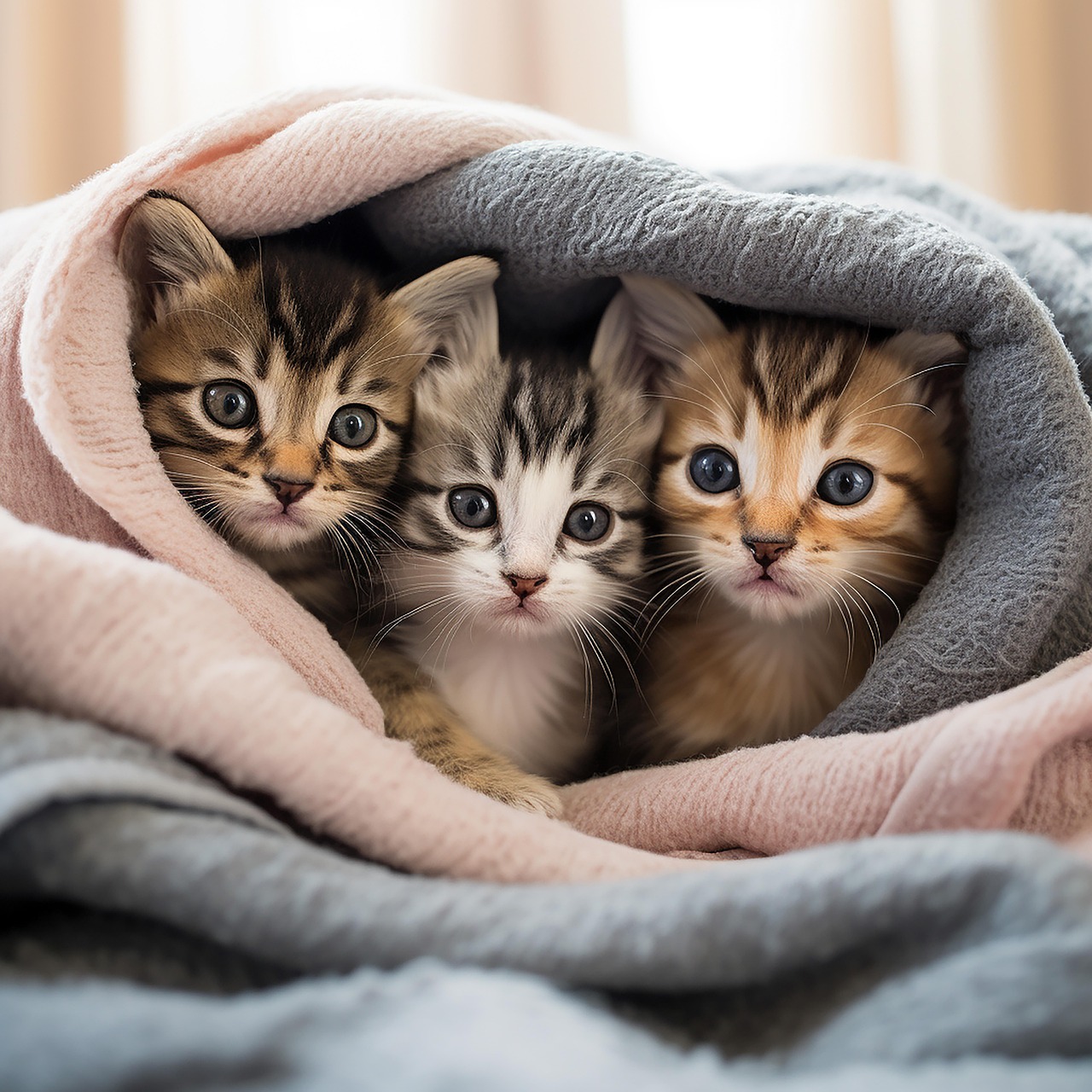

Socialization Strategies for Cats Adopted from Shelters
Adopting a cat from a shelter can be an incredibly rewarding decision, but it often comes with its own set of challenges. Socializing a cat that has previously been in a stressful environment can take time and effort. Understanding a cat’s temperament is key to effectively help them feel comfortable in a new home. Each cat has its own unique personality; some may be outgoing, while others may be shy or fearful. The initial phase of bringing your newly adopted cat home is crucial. Start by setting up a safe space where the cat can retreat whenever they feel overwhelmed. Gradually introduce the cat to different parts of your home, making sure to provide plenty of positive reinforcement when they explore or display curious behavior. Utilizing gentle and calming tones is essential in reassuring your cat. Patience is a virtue during this process. Avoid forcing interaction and allow them to approach at their own pace. You may also consider using interactive toys to encourage play and help build trust slowly. Focus on creating a peaceful and loving environment for their emotional wellbeing.
Understanding Cat Temperament
Different personalities exist among cats, and understanding these can aid in successful socialization efforts. A cat’s temperament may be influenced by their background, genetics, and social experiences in early life. Knowing whether your new feline companion is more of an introvert or extrovert can inform your approach. For shy or timid cats, it’s important to create a low-stress environment that includes hiding spots where they can feel secure. Gradually introduce them to family members and other pets. Keeping interactions short and positive, using treats or toys as rewards, can help. On the other hand, outgoing cats may be more willing to engage quickly. Offering safe, supervised playtime with toys encourages bonding and trust. Keep in mind that each cat will have their own pace in adjusting to their new home and family. Regular monitoring of their behavior is also advisable, as any signs of stress could indicate the need for a change in your socialization strategy. Ensure that you stay observant, and be flexible in your approach to accommodate your cat’s unique personality traits.
One effective method for socializing your newly adopted cat is to engage them with interactive play. Cats naturally have a predatory instinct, and utilizing toys that mimic prey can stimulate their curiosity and promote interaction. Toys such as feather wands, laser pointers, or balls can create an enjoyable experience for them. Allowing ample playtime fosters positive associations with their new environment. Equally important is ensuring that the play sessions are balanced; avoid overstimulation, as that can lead to stress or anxiety. Additionally, consider setting a routine for feeding and play, as this consistency can provide reassurance for your cat. During play sessions, ensure the environment is free of sudden loud noises that could startle them. Incorporating treats can also motivate your cat to engage more actively during playtime. As they become familiar with you as a playmate, their comfort levels will gradually improve. Always keep the atmosphere light and fun, reinforcing positive behaviors with praise and affection. Before long, your cat will begin to feel at home, building a stronger bond with you each day.”},{
Another important technique for socialization involves gradual introductions to various environments and sounds. Cats may have been exposed to certain stimuli in their previous living conditions; however, new households can present challenges. Begin the process by introducing your cat to one small area of your home at a time. Pay close attention to their body language. If your cat appears tense or hides, it’s best to provide reassurance through verbal comfort or gentle petting if they accept it. Once your cat shows signs of comfort and curiosity, consider exposing them to various household activities, such as television noises or sounds from different room activities. Take things slow, and never rush the process. If your cat approaches and seems inquisitive, commend them with treats or praise. This reciprocal trust will gradually build their confidence in exploring unfamiliar situations. Remember, every cat is unique and will require different amounts of time to feel secure in their environment. Be patient and look for subtle improvements that indicate their increasing comfort levels.
Using Safe Spaces
Creating safe spaces within your home is paramount to ensure your cat feels secure during their adjustment period. Designate a cozy, quiet area for them that includes their food, water, litter box, and a comfortable bed. This personal sanctuary should be away from high traffic areas and loud noises. Encourage your feline friend to utilize this safe space whenever they feel scared or anxious. It is essential that this space is welcoming and stocked with their favorite toys to entice exploration. If your cat is particularly shy, consider using a cover over part of the bed or a blanket fort, as enclosed spaces can provide extra security. In their safe space, provide them with vertical options, such as cat trees or shelves, which can help them gain confidence by observing their new domain from a higher vantage point. Allowing your cat to retreat to this haven fosters a sense of control in their environment, which is vital for mental wellbeing. Allow them to leave this space on their terms, reinforcing trust and ensuring that they feel empowered.
The importance of positive reinforcement cannot be overstated in the process of cat socialization. Always reward desirable behaviors with treats, verbal praise, or gentle strokes when your cat interacts positively with you or explores their environment. Associating these good behaviors with something positive will encourage your cat to repeat them. It’s vital not to use punishment, as it can build fear and distrust, making the situation worse. Socialization relies heavily on trust, and your goal should always be to create a positive association with you and their new home. Slowly acclimating them to various sights and sounds while using treats generates a comfortable atmosphere for your cat. Encourage them to explore their surroundings by placing treats or toys around the house to entice their natural curiosity. Ensure to be patient during this process; it may take time for your cat to adjust to their new environment successfully. As they grow more comfortable, their playful and affectionate tendencies will likely emerge, paving the way for a joyous companionship. Enjoy the discovery of their blossoming personality!
In conclusion, socializing a cat adopted from a shelter requires patience and understanding of their unique temperament. By providing safe spaces, utilizing interactive play, and employing positive reinforcement techniques, you can support their transition into a loving home. Remember that not all cats react the same way, and being adaptable to their individual needs will be crucial. Regularly monitor their comfort levels and adjust your approach as necessary to ensure they feel secure. Whether your cat is timid or outgoing, each step you take towards building trust will lead to a thriving relationship. As they grow comfortable, you’ll witness their personality shine through. Adopted cats can become cherished members of your family who bring joy and companionship to your life. Ultimately, dedication and intentional strategies will pave the way for successful socialization, leading to a happier, more confident, and playful feline friend.
Cat’s lives are enriched through love and good socialization practices. Transitioning from shelters to forever homes should be a holistic process, blending patience and understanding. Adopt a mindset of empathy and be prepared to embrace the rewards of the journey. Each cat has a story to tell, and with your help, they can flourish in a nurturing environment.