
Understanding Camera Lenses for the Best Cat Shots
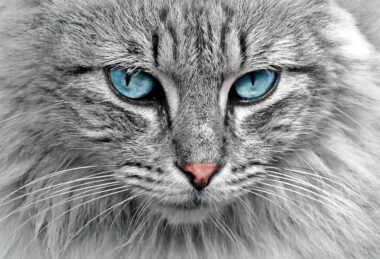
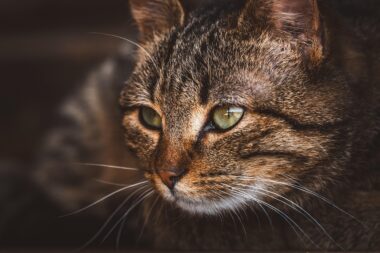
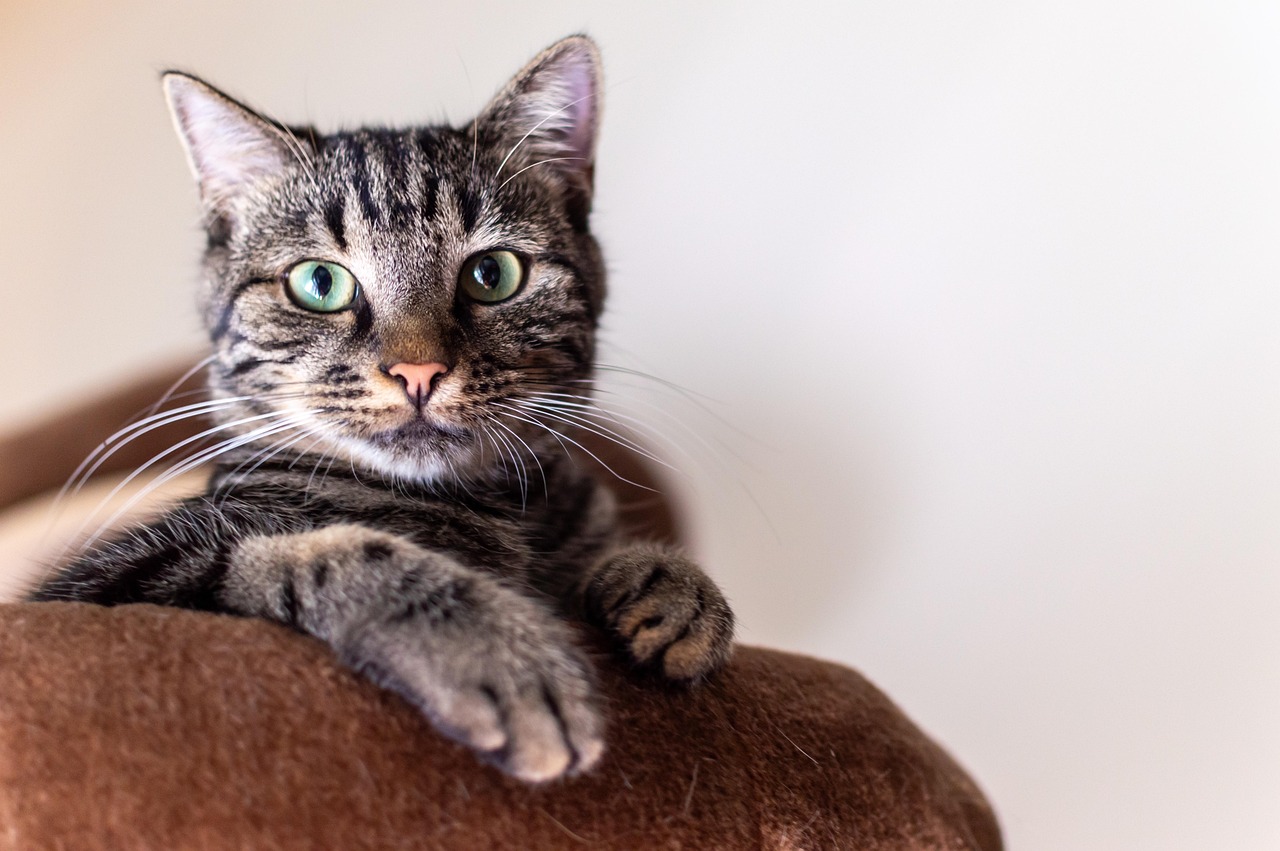
Capturing the personality of your feline friend is an art, and understanding camera lenses is key to mastering cat photography. Different lenses can create distinct effects and perspectives that transform ordinary photos into stunning visuals. To start, a prime lens typically has a fixed focal length and is known for its sharpness and clarity. The standard 50mm prime lens, for instance, is versatile, ideal for portraits of your cat lounging indoors. On the other hand, a zoom lens allows you to vary the focal length, providing flexibility in various situations. A 24-70mm zoom lens can beautifully frame a playful scene without disturbing your pet. Furthermore, macro lenses are excellent for close-up shots, especially of your cat’s features like whiskers or expressive eyes, revealing details that enhance emotional impact. It’s also worth noting the importance of wide apertures, such as f/1.8 or f/2.8, as these let in more light, giving you more control over depth of field. This can beautifully blur backgrounds while keeping your cat in focus. Experimenting with different lenses will allow you to find creative ways to showcase your furry companion in photographs.
When you venture into cat photography, understanding focal lengths is crucial for optimal results. Focal length determines the distance from the lens to the subject, impacting perspective and composition. For example, a wide-angle lens, such as 16mm, is great for capturing a wider scene, perfect for candid shots in an environment where your cat plays or lounges. This lens can include more background, setting the scene effectively and adding context. Conversely, telephoto lenses, like an 85mm or 200mm, allow you to shoot from a distance, capturing your cat’s candid moments without intruding on their space. This distance minimizes distractions, resulting in natural behavior and expressions being captured. Additionally, a lens with image stabilization makes a big difference when shooting at slower shutter speeds. This reduces motion blur, ensuring your cat’s movements are well captured, especially with fast-paced play. To summarize, matching the right focal length and lens type to your shooting style contributes significantly to the effectiveness of your cat photography. The right lens can accentuate features and provide a unique flair to every photo taken.
Choosing the Right Aperture for Cat Photography
Aperture plays a fundamental role in controlling light and depth of field in photography. When it comes to cat photography, a wider aperture helps to create beautiful, blurred backgrounds that make your furry friend stand out. For instance, using a lens set to f/2.8 or wider will effectively separate your cat from the background. This technique draws viewers’ attention to your pet’s features and expressions, giving a professional touch to your images. Conversely, a smaller aperture, around f/8 or f/11, increases depth of field, useful when photographing more than one pet or capturing the environment. Understanding how aperture affects exposure and focus helps you achieve your desired effects, whether you want sharp images or to achieve that dreamy background blur. Pay attention to the exposure triangle, which consists of aperture, shutter speed, and ISO, as they work together to influence the overall quality of your images. Experimenting with various settings will help you understand the trade-offs and ensure you capture those precious moments of your cat’s life beautifully.
Shutter speed is another critical aspect that influences the kind of images you can capture when photographing cats. Felines are often unpredictable and swift, which means quick reactions matter in photography. If your kitty is in full play mode, a faster shutter speed, such as 1/1000s, will freeze those movements perfectly, providing sharp, dynamic images. This allows you to capture the moment when your cat leaps or pounces without blurriness, showcasing their athletic abilities. On the contrary, if your cat is resting or lounging, a slower shutter speed will work better, allowing for softer, more relaxed compositions. In low-light environments, faster shutter speeds may result in underexposed images. This can often be compensated with a higher ISO setting, although it may introduce noise. It’s essential to balance these aspects for the best results in different lighting conditions. Keep in mind the lighting direction and quality when selecting shutter speeds and making adjustments, so you capture the best details in fur textures and expressive eyes. Mastering shutter speeds can elevate your cat photography and lead to captivating images of your beloved pets.
Benefits of Using Natural Light in Cat Photography
When it comes to cat photography, utilizing natural light can vastly improve your images. Sunlight offers a soft, flattering quality that enhances the colors and features of your furry friend. Shooting during the golden hour, which occurs shortly after sunrise or before sunset, creates warm, soft lighting that complements their fur colors beautifully. This lighting condition not only provides depth but also enhances the texture, capturing the playful sparkle in your cat’s eyes. Another advantage is that natural light is free and abundant, making it accessible for all photographers. When working with natural light, it’s also critical to consider the direction of light. Side lighting, for instance, adds drama and dimension, bringing out details you might miss under harsh, direct light. Also, avoid shooting in the harsh midday sun, which can lead to shadowy highlights and washed-out colors. Instead, try to find shaded areas or shoot indoors near windows where light is diffused yet present. By mastering how to utilize natural light effectively, you ensure that your cat photography remains vibrant and engaging.
The choice of camera body also plays an important role in cat photography. While lenses significantly influence the outcome, the camera’s capabilities determine how well those lenses perform. A camera with a fast autofocus system is invaluable when photographing playful kittens or curious cats in action. Faster autofocus features enable capturing fleeting moments that might happen in split seconds. Another essential aspect is the camera’s frame rate; a camera that shoots at 5 frames per second or more will give you the ability to capture multiple images in rapid succession. This is especially helpful for capturing pets in motion, allowing for a perfect shot of that leap or playful instinct. Additionally, having a camera that excels in low-light performance can significantly affect your results if you shoot indoors or in dim lighting. Look for cameras with larger sensors or higher ISO ratings to reduce noise when you need to push the limits of available light. Ultimately, investing in a quality camera body gives you greater control over your cat photography, resulting in consistently excellent images.
Post-Processing Tips for Cat Photography
Finally, investing time in post-processing your cat photographs can elevate your images even further. Editing software offers tools to adjust exposure, contrast, and color balance, which can dramatically enhance the final outcomes. Begin by cropping images to improve composition, ensuring your cat is positioned according to the rule of thirds for effective framing. Additionally, adjusting the brightness and contrast can help bring out the details in your pet’s fur, making it glow. It’s also worth exploring features like sharpening, which can enhance the focus on your subject’s eyes—an essential element in any cat photo. Color correction tools allow you to tweak hues if your images appear too warm or cool, ensuring that they reflect your cat’s characteristics accurately. Finally, don’t forget the power of presets and filters, which can give your images a creative flair, transforming the mood of your shots. However, it’s essential to avoid over-editing, as this can result in unnatural-looking images. When done correctly, post-processing can polish your cat photography and take it to the next level.
In conclusion, mastering cat photography involves understanding camera lenses and techniques that greatly enhance your photos. By investing in the right lenses, such as prime and macro, you can capture clearer and more intimate portraits of your feline friends. Focal lengths determine perspectives that can accentuate your cat’s personality while experimenting with aperture controls depth of field to create stunning backgrounds. Understanding shutter speeds ensures that you are prepared for those quick movements of a playful pet, while natural light helps achieve warmer, more inviting images. Additionally, the camera body you choose has a significant role in how dynamic your photographs can be, especially when focusing on quick action. Finally, enhancing your images through post-processing can make a significant difference, allowing you to adjust and refine your photos to achieve the perfect shot. By effectively applying these techniques and mastering your equipment, you can produce captivating and memorable images of your cats that highlight their beauty, personality, and whimsical nature, creating cherished memories for all who view them. With practice and the right tools, you can truly elevate your cat photographs to new heights, ensuring your artistry resonates.