
When to See a Vet About Persistent Hairball Issues
Hairballs are a common concern among cat owners. Cats groom themselves extensively, and in the process, they ingest loose fur that can accumulate in their stomachs. These hairballs can lead to vomiting and can affect a cat’s health significantly. Observing your cat’s grooming habits is crucial, and if hairballs occur frequently, they may need additional help. Occasional hairball issues are normal but if your cat seems to be struggling, that could indicate a problem. It’s essential to ensure that your cat receives proper hydration and a suitable diet to aid in digestion. Additional fiber can help facilitate the movement of hair through the digestive tract. Some cats may benefit from specially formulated diets containing hairball control ingredients. Also, regular brushing can be beneficial in decreasing the amount of fur they ingest. Always monitor your cat’s behavior; any changes such as lethargy, difficulty in eating, or excessive grooming should be addressed promptly. When in doubt, consult with your veterinarian on the best course of action for your beloved feline friend. Prevention through diet and grooming is crucial in managing hairballs effectively.
Understanding Hairball Development
Understanding how hairballs develop is essential for effectively preventing them. Cats have a unique grooming process, and during this time, they swallow a lot of hair. This hair can sometimes form into a compact ball in their digestive system. While some breeds with longer fur may be more prone to hairballs, any cat can experience them. It’s important to remember that hairballs are not just a nuisance; they can cause discomfort or even severe health issues. Signs that indicate your cat may have health issues include persistent vomiting, decreased appetite, or signs of distress. When managing hairballs, high-fiber diets can assist with passing the hair through the digestive tract. You can also look into products designed for hairball control, which can assist in prevention. Regular grooming can significantly reduce the amount of loose fur available for ingestion. If your cat produces hairballs frequently or displays discomfort, it might be time for a vet visit. A veterinarian can assess your cat’s overall health and provide personalized advice based on your cat’s unique needs and behavior patterns.
A proper diet plays a pivotal role in managing hairballs. Foods rich in fiber can facilitate smoother digestion, helping to move hair through the intestines. Nutritional needs vary per cat, so consulting with a veterinarian about the right diet is crucial. Some brands specialize in hairball control formulas, designed to reduce the occurrence of these pesky balls of fur. A revolutionary approach to hairball prevention includes continuous hydration; ensuring your cat drinks sufficient water can contribute to better digestive health. Dehydrated cats may struggle to pass hair naturally. Alongside diet, physical activity contributes significantly to your cat’s well-being. Encouraging regular play can help streamline digestion, making it easier for hair to pass through. An active cat may also groom itself less frequently, ultimately reducing hair ingestion. Don’t overlook the benefits of hydrating wet food in your cat’s diet; this can significantly impact their overall health and fur management. Monitoring food intake and making necessary adjustments is crucial. Regular veterinary check-ups ensure that your cat maintains a healthy weight and receives all necessary nutrients from their meals, further supporting hairball management.
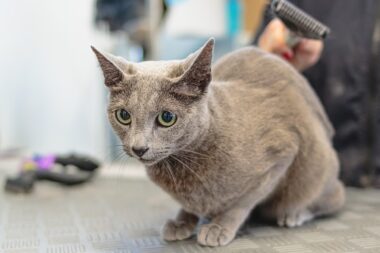
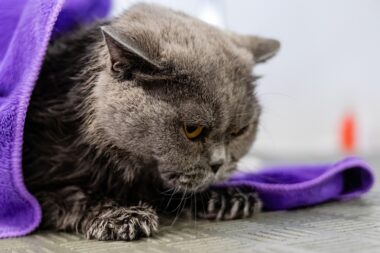
Grooming is another vital aspect in preventing hairballs. Regular brushing sessions help manage shedding and reduce the amount of hair ingested during grooming. This is particularly essential for long-haired breeds, which may require daily brushing. Not only does brushing reduce shedding, but it can also be a bonding activity for both you and your cat. Use a gentle brush suitable for your cat’s fur type. In addition to regular brushing, consider integrating hairball prevention treats into your cat’s routine. These treats often contain ingredients that help facilitate digestion and minimize hairball build-up. Make sure to choose high-quality brands and consult with your vet before introducing new treats. Alongside grooming and treats, it’s necessary to keep an eye on your cat’s grooming habits. If you notice your cat excessively licking or grooming, along with increased hairball production, this may signal stress or health issues. A balanced approach to grooming and health checks is crucial to your cat’s happiness. Bringing any concerns to your vet will provide peace of mind and ensure a healthy lifestyle for your feline companion.
When to Consult Your Vet
Sometimes, persistent hairball issues indicate more serious health conditions requiring veterinary attention. If hairballs are appearing more often than usual or accompanied by unusual symptoms such as weight loss or lethargy, it’s essential to seek veterinary advice. A veterinarian can conduct thorough examinations to rule out underlying gastrointestinal issues or obstructions. A vet might suggest diagnostic tests or imaging to assess the situation accurately. These tests can help determine whether an underlying condition might contribute to frequent hairballs. Your vet may also suggest various treatment options depending on the diagnosis, ranging from dietary changes to medications designed to ease fur passage. Always remain aware of your cat’s behaviors and habits; sudden changes should not be overlooked. Communication with your vet about ongoing issues will guide you to the best solutions. Additionally, it’s vital to keep track of how often your cat experiences hairballs and any notable changes. Keeping a consistent record can provide valuable information for your veterinarian. Ensuring your cat is healthy is your priority, and regular consultations help maintain their well-being.
Recognizing the right timing to consult with a vet can significantly enhance your cat’s health and longevity. Regular check-ups can help in early recognition of issues, leading to effective management of hairballs. Cats are often masters of hiding their discomfort and pain, so thorough observance is necessary. Familiarize yourself with your cat’s habits and normal behaviors, allowing you to notice when something is off. Persistent hairball problems can sometimes lead to more severe complications such as blockages, requiring urgent medical attention. Educate yourself about potential symptoms and consult a veterinarian when necessary. If a cat exhibits excessive vomiting, refusal to eat, or bloody stools, immediate veterinary help is warranted. Timely intervention can prevent more serious health implications. Finally, remember that each cat is unique. What may work for one cat may not for another, so individual care is crucial. Your dedication to their health and grooming will contribute to their overall happiness. Investing in preventive care practices can save you and your pet from future distress. Being proactive can significantly enhance your furry companion’s quality of life and minimize health risks.
Conclusion and Ongoing Care
Caring for a cat with hairball issues requires a structured approach within your overall pet care. Ongoing assessment and prevention play significant roles in this strategy. Dietary adjustments combined with grooming and behavioral monitoring help address the source of the problem effectively. Never underestimate the bond formed during grooming sessions; this time spent strengthens your connection while simultaneously reducing grooming-related issues. Additionally, keep an eye out for new products that can assist with hairball management. Resources are abundant for finding the right tools for your cat’s needs. Ensure that you actively engage with your veterinarian in discussing the best personal care plan for your furry friend. Regular veterinary visits will enhance early detection and allow for tailored advice. As much as routine care is vital, flexibility remains essential. Be prepared to adapt your strategies based on your cat’s evolving needs throughout their life. Prevention is key, and through careful management and attention, both you and your cat can enjoy fewer hairball issues and enhance the quality of life for your beloved pet. Staying informed helps ensure a long-lasting, happy relationship with your furry family member.
By understanding the factors contributing to hairballs in your cat’s life, you can take informed steps to manage and reduce their occurrences effectively. Always rely on systemic preventative measures and early veterinary consultations to support your cat’s health. Each element under your care, from grooming to dietary needs, should be aligned to combat hairball formation successfully. The effort made in this regard translates into a healthier, happier pet that enjoys their vibrant life alongside you. Keep yourself educated about the latest research and share information with fellow cat owners. The journey of responsible cat ownership involves constant learning and adaptation. Regular engagement with your veterinarian will keep your cat not only free from hairballs but also protect against other common health issues. Be proactive in supporting your feline friend through tailored care strategies that prioritize their needs. With diligence, patience, and love, you can create a nurturing environment free from the stress of ongoing hairball complications. After all, our pets deserve the best chances at a long and fulfilling life, and providing them with the right care is the key to achieving this.