
Herbal Supplements and Vitamins for Cats with Anxiety
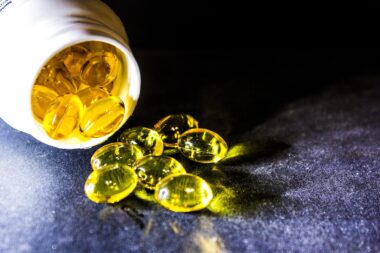
Many cat owners seek alternatives for managing their pets’ anxiety, particularly through herbal supplements and vitamins. Addressing the unique dietary needs of cats with anxiety can greatly improve their emotional well-being. Various herbal remedies, including valerian root and chamomile, are known for their calming effects. These natural solutions can help alleviate anxiety symptoms in cats, allowing them to feel more at ease. Moreover, certain vitamins play a crucial role in supporting mental health as well. For example, B vitamins, particularly B6 and B12, contribute to overall brain function and may boost your cat’s mood. Additionally, Omega-3 fatty acids are not only beneficial for physical health but can also enhance mental clarity and reduce anxiety-related behaviors. Always consult a veterinarian to ensure the safety and appropriateness of introducing these supplements into your cat’s diet. It’s vital to watch for any adverse reactions. Regular vet check-ups will help in monitoring your cat’s condition and adjusting the treatment plan as necessary. Proper balance and care can lead to happier and more relaxed felines. The right approach makes a noticeable difference in your furry companion’s quality of life.
Understanding the role of specific herbal supplements can greatly assist in managing feline anxiety. One popular option is ashwagandha, an adaptogenic herb known for its stress-relieving properties. Administering ashwagandha can help stabilize a cat’s mood and enhance resilience to stress. Another effective option is passionflower, which aids in reducing restlessness and promoting relaxation. Ginger can be a beneficial addition as well, as it is known to calm nerves and promote a sense of tranquility. Additionally, many supplements come enriched with essential amino acids like Taurine, which is critical for brain health and emotional balance. Herbal supplements should be given consistently for the best results, as many of their effects build over time. Choosing high-quality, pet-specific products is crucial for efficacy. Ensure products are free from harmful fillers or additives. For personalized recommendations, always consult with a veterinarian about dosage and suitability with your cat’s current diet. Incorporating these supplements into your routine can lead to significant improvements in a cat’s comfort level during stressful situations.
Choosing The Right Vitamins
When selecting vitamins for anxiety management, it is essential to focus on the right formulation tailored to your cat’s specific needs. Look for products that are specifically designed for **cats with anxiety** to ensure maximum effectiveness. Some formulations contain natural calming agents combined with essential vitamins such as Zinc and Magnesium, which can help regulate stress levels. Additionally, a good multivitamin can support overall health during anxiety episodes. Ingredients like Vitamin E and Vitamin D also play important roles in maintaining mental balance. Always ensure that any vitamin supplements you choose are free from artificial additives and preservatives that could counteract the benefits. Research the brand’s reputation to ensure you are obtaining high-quality vitamins for your feline friend. Consulting with your veterinarian to determine any specific deficiencies or additional dietary needs can optimize how vitamins support your cat’s health. Being proactive in managing your cat’s anxiety can make a world of difference in behavior and overall happiness. Always keep a close eye on how your cat responds to new supplements and adjust accordingly.
The administration of herbal supplements and vitamins often requires some adjustments over time. Monitor your cat closely for any changes in behavior or health. Always start with the lowest recommended doses and gradually increase as needed, allowing some time for the supplements to take effect. Keep track of your cat’s response during this adjustment period to gauge improvement. If you notice any adverse reactions, discontinue use and consult your veterinarian immediately. Integrating products designed for cats may require a few trials to find the perfect fit. Many cats can be picky, so trying different flavors or forms, such as powders or chewables, may be necessary. Consistency is key when introducing any supplement. Incorporating supplements into regular feeding routines can be helpful. The more relaxed and happy your cat feels, the better the outcomes from these natural remedies. Continued observation and communication with your vet are vital in creating an effective plan tailored specifically for your cat’s unique anxiety triggers and preferences. Keeping an open dialogue ensures you can adjust the approach as your cat’s needs change over time.
The Role of Environment
Beyond herbal and vitamin supplementation, modifying the environment plays a significant role in alleviating feline anxiety. Providing a safe, calm space in your home is crucial for reducing stress in anxious cats. Utilizing soft bedding, dim lighting, and quiet areas can create a soothing environment. Incorporation of feline pheromones into the home can help promote relaxation. Various products are available, ranging from sprays to diffusers, which replicate natural pheromones that provide comfort. Furthermore, maintaining a consistent routine helps cats feel secure, as predictability can alleviate anxiety. Regular interactive playtime is also essential; engaging your cat in physical and mental activities can reduce nervous behavior. Interactive toys can stimulate cognitive function while providing entertainment. Allowing your cat to choose cozy spots, such as high perches or scratching posts, also empowers them in their environment. As always, monitor your cat’s responses to changes, and make adjustments accordingly. A serene and accommodating living space heavily influences emotional well-being. Balancing dietary needs with environmental modifications can ensure your cat becomes more adept at coping with stress.
Many pet owners hesitate to explore herbal and vitamin solutions because of misconceptions about their efficacy and safety. It is essential to understand that while natural supplements can be beneficial, they are not a replacement for veterinary care. Recognizing sensitive health issues or severe anxiety in cats should always lead to a visit to the vet. Holistic approaches can complement traditional therapy or medication but should be approached with guidance. Reliable sources of information regarding supplements can bolster your confidence in their use. Look for peer-reviewed studies and trusted veterinary advice to validate your choices. Additionally, joining online communities dedicated to feline health can offer support. Discussions with other cat owners can provide insights into other people’s experiences with similar situations. When trying new supplements, remember to document your cat’s progress to share with your vet effectively. This documentation can lead to fine-tuning treatment plans based on evidence gathered over time. The focus must remain on the cat’s overall health and well-being while gradually implementing changes. Emphasizing an informed approach will lead to a more comfortable and contented life for your cat.
Final Thoughts
Integrating herbal supplements and vitamins into a cat’s care plan requires careful consideration and diligent monitoring. The road to finding the right balance may be gradual, but with patience, it’s achievable. Ensure that the chosen supplements and vitamins come from reputable sources and are designed specifically for feline needs. Combining these dietary adjustments with environmental changes can optimize your cat’s overall emotional health. Regular check-ups with the veterinarian will assist in tracking progress and adjusting strategies as your cat responds to different approaches. Consult with a professional about any concerns and to confirm that you always prioritize their well-being. Building a supportive environment, alongside the right nutritional supplements, paves the way for happy, healthy cats. Remember to communicate openly with your vet about your cat’s specific anxiety triggers. With the right combination of solutions tailored to suit your furry friend, an improved quality of life awaits. Handling feline anxiety requires an ongoing commitment, but the rewards of a peaceful home and a calmer cat are worth the effort. Focus on creating a nurturing space and supportive regimen to promote lasting happiness.
Combining dietary practices with holistic care provides an excellent foundation for addressing feline anxiety. Choosing the right herbal supplements and vitamins tailored to your cat’s needs is just one piece of the puzzle. Empowering your cat through a stable environment and proactive health care management yields impressive results. The majority of cats respond well to gradual integration, so patience and consistency are your best allies. As you explore these solutions, take notes and communicate openly with your veterinarian to optimize your approach. By gathering as much information as possible about your cat’s behavior and wellness, you contribute towards informed choices that benefit your furry family member. Ultimately, the journey to alleviating anxiety will transform not just your cat’s life, but yours as well. Witnessing your beloved animal become more comfortable and relaxed will enhance your mutual bond. Enjoy the process of discovering what works best for your cat and finding the best natural solutions to nurture their emotional health. Join communities to share experiences, tips for other cat owners, and cherish the progress made together. Remember, every small step counts towards creating a happier, healthier, and less anxious feline.