
How Grooming Reveals Signs of Stress Related Skin Issues in Cats
Regular grooming is essential for maintaining a cat’s health and appearance. While grooming, cat owners can detect various skin issues that may indicate stress. When cats are stressed, their grooming behaviors may change. You might notice excessive scratching, biting at the skin, or even neglecting their grooming altogether. Stress can manifest in various ways, including behavioral changes, which may lead to skin conditions such as dermatitis. The connection between a cat’s mental state and physical health is critical to understand for effective feline care. By recognizing the signs of stress during grooming sessions, you can take proactive measures to mitigate anxiety in your pet. Always look for changes in behavior, such as frequent hiding or aggression, as these may signify underlying issues. A well-timed grooming session can sometimes help alleviate stress. Observe your cat closely to determine if there’s a pattern. This awareness allows for early detection of skin problems, potentially preventing more severe health concerns later. It also reinforces the bond between you and your cat while ensuring they remain healthy and happy.
During grooming, it’s vital to examine the skin, looking for any irregularities. One common issue is the presence of lumps or bumps on the skin. These may result from allergic reactions, irritants, or other underlying conditions. Furthermore, cat owners should check for signs of redness, swelling, or scabbing, which could indicate infections. Pay attention to areas where your cat might lick excessively, as this can lead to hot spots, which are painful and require prompt attention. While grooming, consider using proper tools to make this process more effective. Specialized combs and brushes can help remove loose hair and debris while providing a thorough examination of the cat’s skin. Regular inspection during grooming can help establish a baseline of what your cat’s skin normally looks like, making it easier to notice any changes over time. Some skin conditions require veterinary intervention as they may lead to more serious issues if left untreated. For instance, infections or severe allergic reactions can arise from ongoing stress. It’s prudent to consult a veterinarian when unusual skin conditions or stress signs occur to identify the underlying causes.
Understanding Common Skin Issues in Cats
Identifying skin abnormalities is crucial for your cat’s overall wellbeing. Common skin issues in cats include flea infestations, allergic dermatitis, ringworm, and bacterial infections. Fleas are notorious for causing irritation and allergic reactions due to their bites, leading to chronic scratching and skin damage. Allergic reactions can occur from food, environmental factors, or contact allergens. Ringworm is a fungal infection that often results in circular patches of hair loss and scaling. Bacterial infections usually emerge due to stress-related grooming habits that compromise skin integrity. Additionally, cats may experience seborrhea, a condition characterized by greasy or dry, flaky skin. To effectively address these issues, monitoring your cat’s grooming behavior is essential. Take note if they seem uncomfortable or irritated during grooming sessions. Providing a calm and soothing environment can alleviate some anxiety and help reduce stress. Consult with your veterinarian about any ongoing skin issues or if you notice that your cat’s skin, coat, or behavior changes. Early recognition and therapy can lead to better treatment outcomes and improved quality of life for your pet.
When observing your cat’s grooming habits, watch for excessive fur loss or bald patches. Cats often groom themselves as a way of self-soothing but if it becomes excessive, it could indicate underlying stress issues. Stress can stem from many factors, such as changes in the household, new pets, or environmental changes. Some cats develop compulsive grooming behaviors, causing them to lick or bite large areas of their skin. This can quickly lead to skin infections that require medical attention. Regular grooming helps distribute skin oils which are essential for a healthy coat. Even a few minutes of gentle brushing can help identify skin problems earlier. Consider using specific brushes designed for your cat’s fur type to encourage calm grooming sessions. Additionally, providing your cat with plenty of mental stimulation and physical exercise can reduce stress. Make the grooming experience a positive one; utilizing treats, praise, and a calm voice can transform it from a chore into an enjoyable bonding time for both of you. Ultimately, understanding these dynamics is pivotal in fostering your cat’s overall health.
Tips for Stress-Free Grooming Sessions
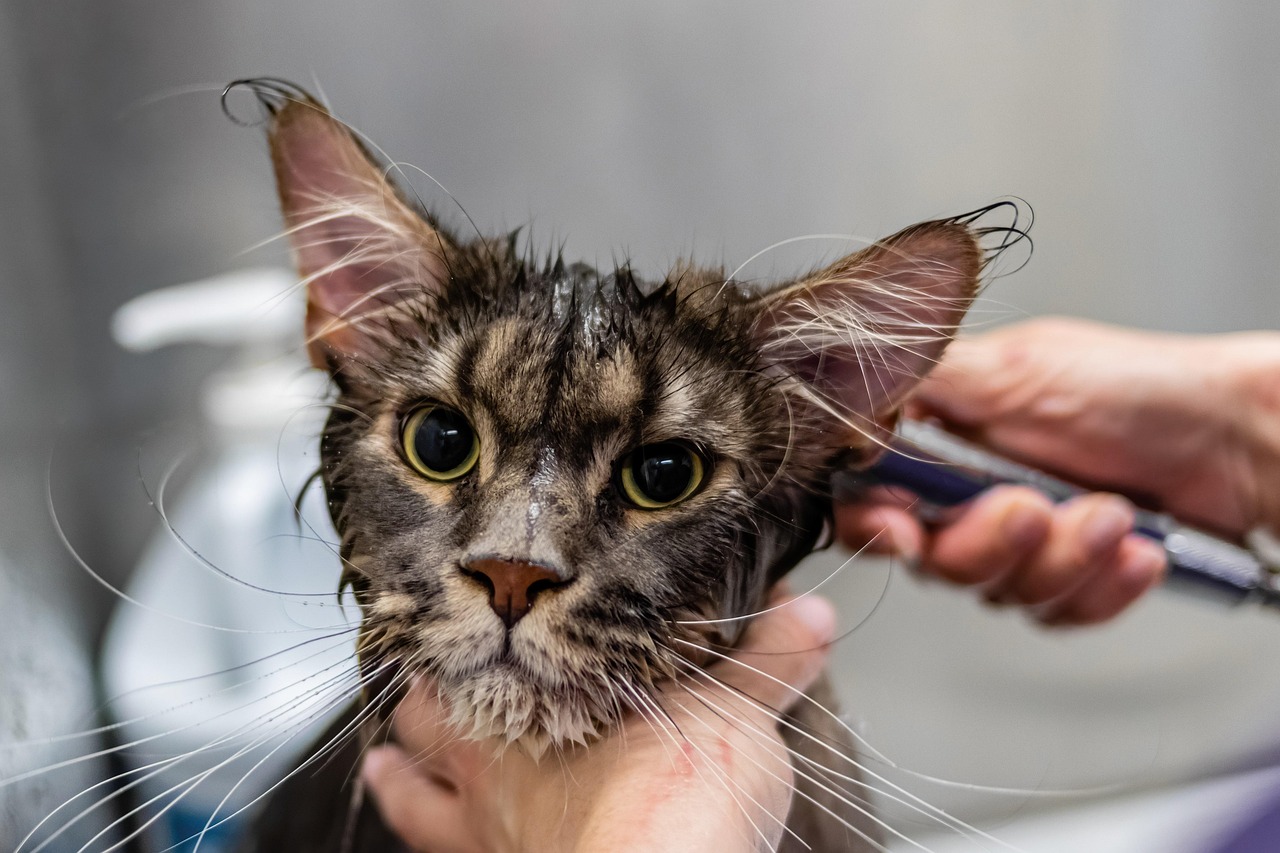
Creating a stress-free grooming environment is essential for your cat’s comfort and well-being. Start by establishing a routine grooming schedule that aligns with your cat’s preferences. This predictability can help reduce anxiety. Some cats prefer grooming during quiet times, while others may feel better in the afternoon sun. Recognize your cat’s personality when deciding when to groom. Use calm voice tones and gentle touches during the grooming process. This reassurance can significantly ease their anxiety. If your cat resists grooming, consider using treats as a reward for positive behavior. Incorporating play sessions before grooming can also help burn off any excess energy. Choose grooming tools that suit your cat’s coat type, which can minimize discomfort. For long-haired cats, a slicker brush can efficiently detangle while being gentle on their skin. Always monitor your cat’s reactions and adjust techniques according to their comfort level. If your cat shows signs of stress such as growling or hissing, take a step back and try again later. Lastly, consult a professional groomer if home grooming isn’t viable or too stressful.
A vital component of stress handling in cats involves addressing nutrition and overall health. An adequate diet plays a significant role in skin health, and providing the right balance of nutrients can help eliminate many skin issues. High-quality cat food that includes omega fatty acids ensures skin consistency and a healthy coat. Consult with your veterinarian to create a customized dietary plan for your pet’s unique needs. Hydration is crucial; always provide fresh, clean water to keep your cat hydrated. In some cases, persistent skin issues might arise from inadequate hydration. Regular exercise and opportunities for play can also reduce anxiety, improving overall emotional health. Implementing features such as cat trees, interactive toys, or cozy spots can help your cats release excess energy and find their comfort zone. Remember, mental and physical stimulation helps reduce stress while promoting well-being. Keeping your cat’s environment clean and free of irritants can also contribute significantly to maintaining healthy skin. In addition to proper grooming and nutrition, providing a safe, stress-free environment will improve your cat’s quality of life and promote long-term health.
When to Seek Veterinary Assistance
Fiers to observe those signs during grooming sessions are essential for your cat’s health. If you notice persistent symptoms such as hair loss, excessive itching, or skin discoloration, seeking veterinarian assistance is vital. Skin issues can be complex, often requiring expertise to determine the underlying cause. Failing to address these problems promptly may lead to more severe health complications. Be vigilant about changes in your cat’s behavior or grooming patterns; understanding these changes can help you identify problems early. A veterinarian can provide suitable diagnostic tests, whether it involves skin scrapes or allergy tests. Treatment options often range from medicated shampoos to antihistamines based on your pet’s diagnosis. In some situations, dietary adjustments or specialized medications may be required to manage or alleviate symptoms. Never hesitate to seek professional help if concern arises about your cat’s skin health. Remember, prompt treatment can often prevent further complications, ensuring that your pet remains healthy and stress-free. Educating yourself about cat skin health and maintaining open communication with your veterinarian will also enable you to provide the best care imaginable.
In conclusion, maintaining a healthy grooming routine is integral to identifying and managing stress-related skin issues in cats. The connection between your cat’s mental and physical well-being is undeniable, and recognizing these signs can make a world of difference. Regular grooming offers a unique opportunity to bond with your pet while monitoring their health. Through simple observations during grooming sessions, such as checking for skin abnormalities, you can take proactive steps in ensuring your cat leads a happy and healthy life. Be attentive to their grooming behaviors and seek professional assistance whenever necessary. Remember that a well-balanced diet and a supportive environment contribute significantly to your cat’s overall health. By employing a stress-free grooming approach and following the tips mentioned, you can cultivate a strong relationship with your feline companion. Ultimately, the goal is to create an environment that promotes happiness and reduces overall stress. Doing so will allow you and your cat to enjoy many years together. Taking the time to understand your cat’s individual needs and addressing them with love and care will ensure a long, fulfilling life.