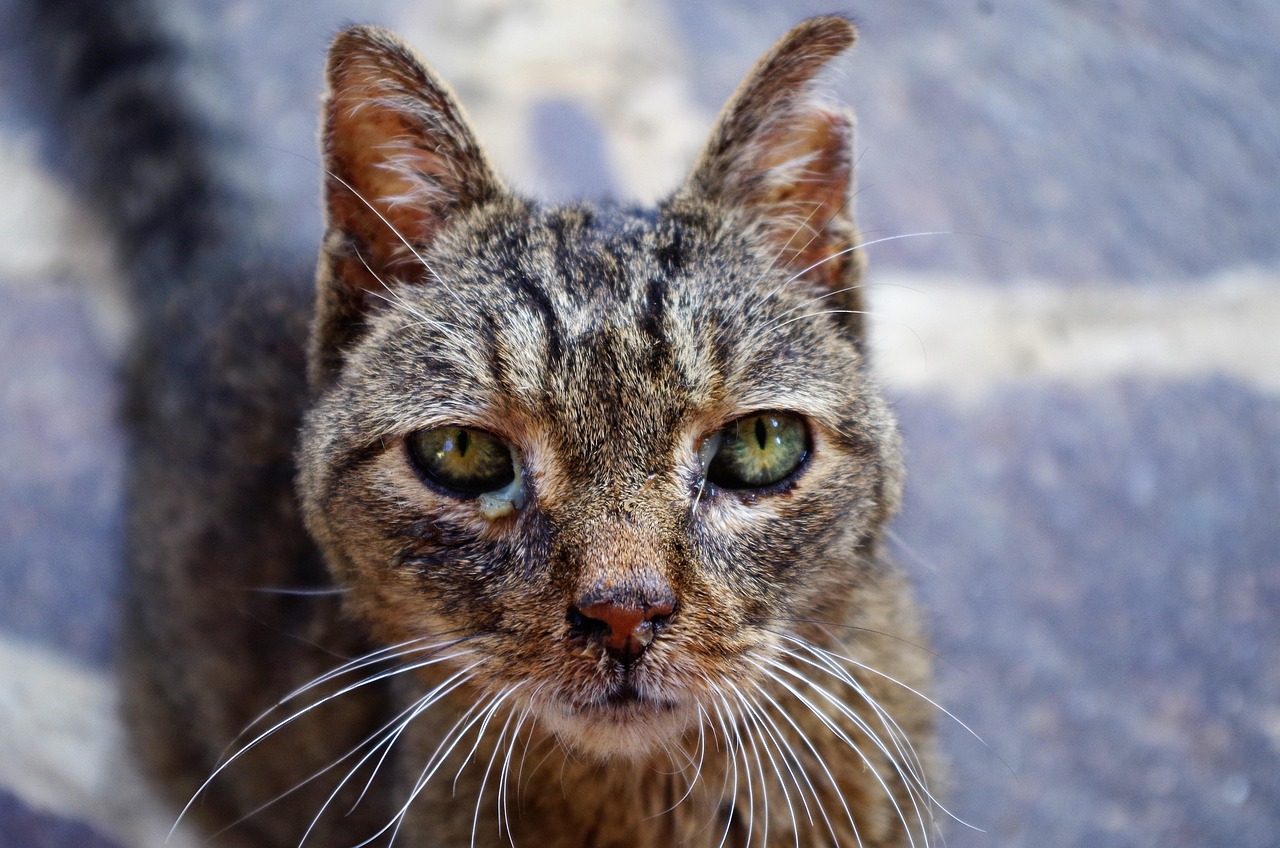

How to Handle Sick or Injured Cats During Rescue
When rescuing sick or injured cats, being prepared is essential for both their wellbeing and your safety. First, make sure to carry safety gloves, a carrier, and a blanket to offer comfort. Always approach the cat slowly and calmly; sudden movements can frighten them, causing stress. Observe their condition from a distance before attempting to help. Signs of illness may include lethargy, limping, or unusual grooming behavior. If the cat is hiding, simply sit quietly nearby and wait for them to approach you. When you feel it is safe, gently entice the cat with food or treats to avoid overwhelming them. Once you have managed to gain their trust, use a blanket to wrap them securely; this helps in handling without causing further injury. Ensure to check for any visible wounds or signs of infection but be careful not to poke or prod at sensitive areas. Remember, they may scratch if scared, so use gloves for protection. After securing the cat, head to a vet for an accurate assessment and necessary medical treatment.
Taking immediate action when rescuing a sick cat can make a significant difference. Always keep a first aid kit for pets on hand, which should include antiseptic wipes, gauze, and bandages. Knowing basic feline first aid empowers you to act quickly and provide necessary interventions until professional help arrives. If your cat has sustained a visible injury, applying pressure to staunch bleeding may be necessary. Maintain a calm demeanor while handling them, as your behavior can influence the cat’s anxiety levels and sense of security. If you need to transport a larger cat or a frightened one, consider using a towel or blanket gently to secure them. Avoid restraining the cat too tightly, which may cause panic. Communication with onlookers or fellow rescuers is also crucial; alert them about the cat’s rescue to gather support or medical help. Always respect the cat’s space; if they hiss or growl, take a step back and allow them time to feel safe before continuing. Patience is your ally during this entire process, enhancing the likelihood of a successful rescue outcome.
Identifying Common Symptoms
Recognizing signs of illness or injury in cats is critical in ensuring timely care. Some common symptoms include coughing, sneezing, limping, or changes in appetite. A cat suffering from a respiratory issue may show signs of labored breathing or have nasal discharge. Pay attention to any changes in behavior; for instance, a previously social cat may withdraw or hide more than usual. Also, take note of their grooming habits; excessive grooming may indicate pain, while a lack of grooming could signify illness. If you detect vomiting, diarrhea, or frequent urination, be aware that these may also require immediate veterinary attention. In addition, take note of their eyes and ears; any redness, swelling, or discharge may signal infections that need prompt treatment. Always err on the side of caution if any of these symptoms present; early intervention often results in better outcomes for your feline friend. If available, use a cat carrier to transport the sick or injured animal to your local veterinarian, as this can help reduce their stress during travel.
During rescue, it is crucial to act effectively and compassionately. Approach each cat with care, as they may be scared or in pain. Use soft, reassuring tones to communicate, and allow them to become familiar with you. Providing a quiet and comfortable environment can alleviate stress. Always prioritize your safety; be wary of unknown cats, as some may be feral or unpredictable. Keeping a safe distance while observing them can protect you from potential harm while still ensuring you monitor their state. If they appear hostile, don’t hesitate to call a professional or a local rescue organization for assistance. When you interact with the cat, be gentle and avoid sudden movements that may frighten them. If possible, offer food or water to the cat, as this may help build trust. Remember, capturing an injured cat can take time; don’t rush the process. Once you can safely secure the cat in a carrier, keep them in a warm, dark space to reduce anxiety while arranging for veterinary care. This will contribute positively to their overall recovery.
Preparing for Transport
Preparation for transporting sick or injured cats is just as important as the rescue itself. A suitable carrier is essential because it will help keep the cat secure while minimizing stress. Ensure that the carrier is well-ventilated and large enough for the cat to stand, turn around, and lie down comfortably. Line the bottom of the carrier with a soft blanket or towel to offer comfort. Always secure the door to prevent escapes during transportation; a frightened cat may attempt to flee at any opportunity. It’s advisable to keep the carrier in a quiet, stable location within your vehicle to avoid jostling during transit. Maintain a calm environment in the car by speaking softly to the cat. As you drive, avoid sudden stops or turns that can startle them. Being attentive to the cat’s needs during this process can significantly ease their anxiety. If needed, check on their condition during stops to ensure they remain stable. Having any medical records or information from your veterinarian can be beneficial during the visit for accurate assessments.
Once you arrive at the vet’s office, remain calm and supportive; your demeanor can help ease the cat’s anxiety significantly. Inform the veterinary staff about the situation and the behavior exhibited prior to your arrival. This information may assist the veterinarian in assessing the cat’s needs quickly and effectively. Be prepared to provide specifics about when and how you found the cat, any visible injuries, or changes in eating habits. If the cat has been stressed, a quieter waiting area may be helpful to minimize further anxiety. While waiting, avoid direct engagement with the cat unless they seek it. This will reduce the chance of them becoming more frightened. Keep your hands and voice gentle, and avoid intense eye contact; instead, let them interact at their own pace. If available, request a muzzle or a soft blanket from the vet, as these can help soothe the cat during examination. After the assessment, be prepared to discuss treatment options and aftercare to ensure proper recovery.
Post-Rescue Care Tips
After successfully rescuing a sick or injured cat, the responsibility of care becomes vital. Set up a quiet space in your home where they can rest and recuperate away from other pets. Ensure the area is warm, comfortable, and secure to help them feel safe. Offer fresh water and nutritious food to encourage hydration and restore energy levels. Monitor their behavior closely for any changes that might indicate improvement or deteriorating conditions. Regularly check the wounds or injuries for signs of infection, such as swelling or discharge. If possible, keep a journal to track their recovery progress, noting any shifts in behavior or health. Consult your veterinarian promptly if any concerning symptoms arise or if there’s no improvement within a few days. Additionally, educate yourself on basic pet care practices, including administering medications if needed, as this can greatly assist in your cat’s recovery. Remember that patience and empathy are essential during this time; they may need extra love and attention as they heal.
Rescuing and caring for sick or injured cats is a rewarding endeavor but requires commitment and compassion. Your love and dedication can make a remarkable difference in their lives. Establish a routine that prioritizes their needs, allowing for an enriched environment while they heal. Engage with simple, interactive toys to stimulate them gently. Spending quality time together fosters trust and familiarity, helping build a bond that benefits both of you. As they recover, be prepared to make lifestyle adjustments, such as introducing slower-paced activities that accommodate their healing process. Remember that veterinary follow-ups are vital in ensuring long-term health; schedule these appointments according to your vet’s recommendations. Consider consulting with animal behaviorists if trust-building becomes a challenge; they can offer strategies tailored to individual needs. Furthermore, remain informed about local rescue resources and support groups that provide valuable information and assistance. Document your experience, as sharing your journey may inspire others to participate in rescue efforts. Keep advocating for the well-being of all cats to foster a community of awareness and compassion. Your actions can create lasting change for many lives.