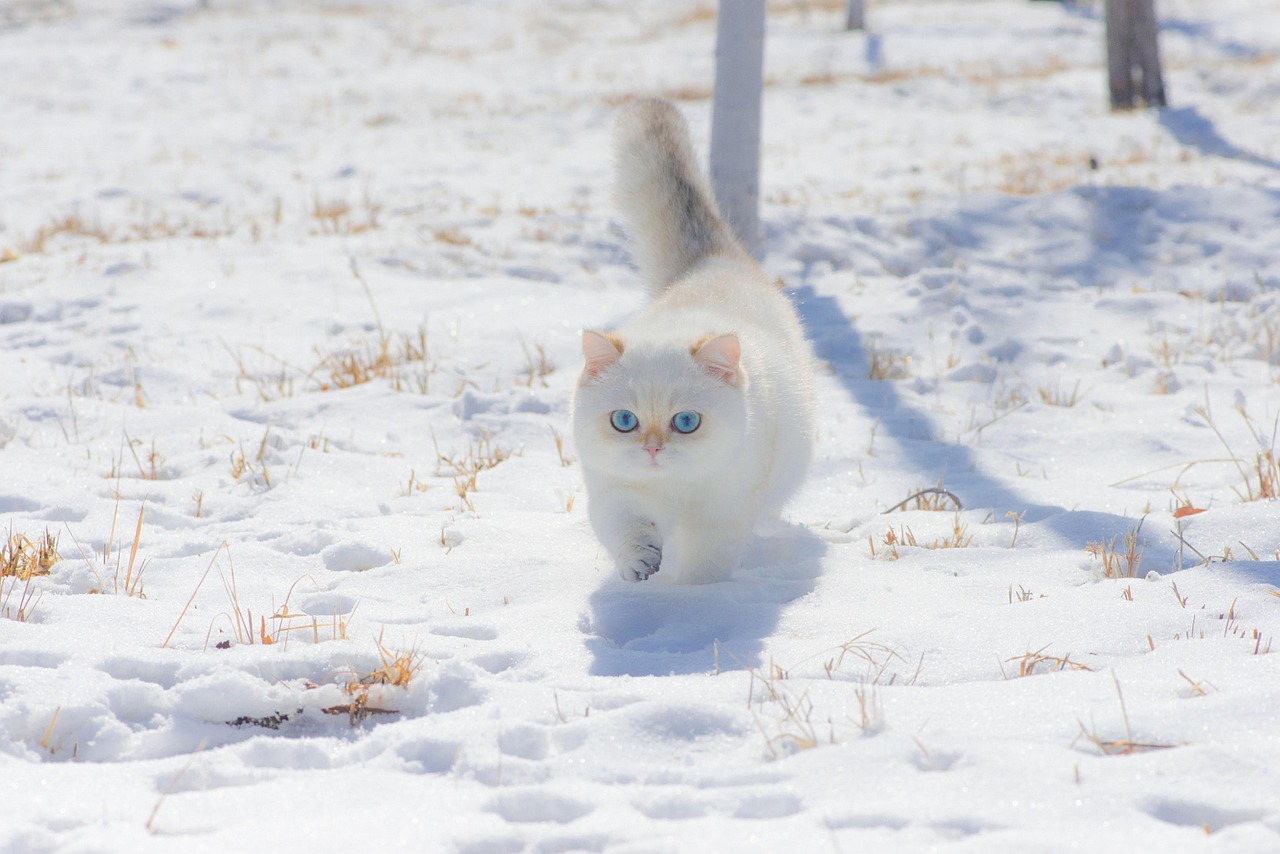

Winter Nutrition Tips to Keep Cats Healthy
As winter approaches, it’s essential to consider the nutritional needs of our feline friends. Cats require a balanced diet to maintain their energy levels, especially during cold months. During winter, the colder climate can increase a cat’s caloric needs as they use energy to stay warm. To ensure your cat remains healthy, choose a high-quality cat food that caters to their age and health. Wet food can provide hydration as well as additional calories. Moreover, consider supplementing their diet with treats that are high in protein to maintain their energy. Providing a warm and cozy spot for your cat helps with digestion and overall well-being. Additionally, consulting your veterinarian for advice on dietary changes for your cat’s particular situation is highly recommended. Keeping their diet consistent while catering to their winter needs ensures your cat remains healthy and happy. Use feeding bowls that are easy to clean and safe to use in colder temperatures. During winter storms, be mindful of your cat’s indoor activity levels and adjust their food portions accordingly.
Monitor your cat’s weight during winter, as less activity can lead to weight gain. It’s important to keep track of their eating habits and ensure they are receiving the right amounts of food. Winter can sometimes cause changes in appetite, so always be aware of how much they consume weekly. If you notice a sudden change in weight, consult your veterinarians for appropriate advice on how to adjust accordingly. Incorporating more playtime indoors helps cat owners maintain their pet’s energy levels and overall health. Look for engaging toys that provide a good workout while also being mentally stimulating. A combination of dry and wet food ensures your cat stays hydrated during colder months. Cats can be finicky, so it’s good to rotate flavors or brands as necessary to keep their interest. Also, think about their dental health—chewable treats can assist in maintaining oral hygiene while providing the necessary nutrition. Adequate hydration is crucial; you can increase water intake by offering wet food or using a cat water fountain to entice drinking. This attention to detail can help keep your cat healthy in this chilly season.
Understanding Special Nutritional Needs
Every cat is unique, and their nutritional needs can vary based on age, weight, and health conditions. Older cats may require softer food that is easier to chew and digest during the winter. They might also benefit from supplements that promote joint health, particularly when they are less active. If your cat has any specific health conditions like diabetes or obesity, it is crucial to tailor their diet according to their needs. A consultation with your vet can provide insight into choosing the right food or snacks that will cater to these conditions. Additionally, be cautious of the natural instinct of cats to overeat during colder months as they may feel more compelled to gain weight. Providing smaller, more frequent meals can prevent overeating while still offering the energy they require. You may explore options like high-fiber foods, which can help maintain a healthy digestive process. Choosing fat sources, like fish oil, can improve your cat’s skin and coat health during the winter as well. Keep an eye on weight fluctuations and modify their diet as needed to ensure constant health throughout the winter season.
In addition to regular meals, consider incorporating winter-safe treats into your cat’s diet. Homemade cat treats crafted from healthy ingredients can be a rewarding way to bond during cozy indoor days. Ingredients like pureed pumpkin or cooked chicken are great options to include and provide extra nutrition. Always avoid ingredients that are harmful to cats, such as onions and garlic. Rotate these homemade treats to maintain your cat’s interest while ensuring they receive various nutrients. Explore ways to hide these treats in toys to encourage play; this makes snack time fun and interactive. It’s not just about food; also consider adjusting your cat’s activity levels. Indoor playtime is essential to counterbalance the sedentary nature of winter months. Investing in interactive toys keeps your cat active while practicing their natural hunting skills. Frequent, short play sessions help to stimulate them mentally and physically, which is beneficial for overall health. Always monitor their reaction to treats or new food items, looking for signs of allergies or digestive issues. Adapting their nutrition and play while being aware of their preferences ensures their happiness this winter.
Hydration is Key
Water is as vital as food when it comes to winter wellness for your cat. During colder months, cats might drink less water, leading to hydration issues. Encouraging them to drink more water is essential for their kidney function and overall health. Providing fresh water daily is crucial; you could try to encourage drinking by using a cat fountain, which provides constant fresh flowing water. Many cats prefer running water to still water, so this can easily help boost their intake. Another way to ensure hydration is to increase the wet food portion of their diet since it contains over 70% moisture. Adding water or low-sodium broth to dry food makes it more appealing and tangible. Be mindful of their preferences: some cats like cold water, while others may prefer it room temperature. During the winter, make sure their water bowls are not ice-covered; maintaining a warm spot for drinking can encourage hydration. You can also monitor their urine output as an indicator of fluid intake. Meeting hydration needs will support your cat’s health and promote longevity as the cold winter months go by.
Finally, be aware that winter festivities could introduce hazards to your feline friends, including changes in their diet. If you are hosting, ensure that snacks such as chocolate, onion, or garlic are out of reach. These foods can be harmful or even toxic to your cats. Also, be cautious about offering your cat table scraps from holiday feasts, as rich or fatty foods can upset their stomachs and lead to pancreatitis. Educate guests about keeping harmful food away from your pets to avoid unintentional mishaps. Moreover, seasonal decorations can pose a risk; avoid using tinsel or small ornaments that could be ingested. Always choose pet-safe alternatives for a holiday environment that is both festive and safe. Be extra cautious with any visible signs of stress or discomfort in your cat due to holiday changes; their routine is essential for their well-being. Provide them with safe spaces to retreat if necessary. Overall, a layered approach to nutrition and environmental safety creates a healthy and fun winter for your beloved feline friends.
In conclusion, caring for your cat’s nutritional needs during winter involves being proactive about their diet, hydration, and overall environment. Ensuring they get sufficient high-energy food, hydration, and proper playtime is essential to keeping them fit and healthy. Every aspect, from choosing the right type of food to incorporating interactive play, plays a significant role during these cold months. Always adapt their nutritional needs based on observations and consult with professionals as necessary to guarantee their health is paramount. Address any changes in behavior linked to their food intake or activities—this can help prevent any potential concerns over time. When winter settles in, a cozy, enriched home environment can help your cats thrive. Take these winter nutrition tips seriously, as they can ensure that your furry friends remain healthy and energetic all season long. Listen to their needs and respond accordingly, as being attentive to their diet and lifestyle will strengthen that cherished bond you share. Let your efforts create a safe and loving winter experience, filled with warmth and joy for both you and your feline companions!
Finally, remember that your cat’s unique personality plays a crucial role during winter. Cats often change their behavior due to external factors like temperature and indoor activities. Understanding these changes can help make adjustments in your feeding, playtime, and environment. If they seem lethargic, investigate their routines and food preferences. Ensuring that they have a comfortable and stimulating space will encourage them to thrive. This winter, provide your cat with a little extra love alongside their nutrition strategies; this will ensure they know they are treasured and pampered during the cold days ahead. Create a cozy nook with their blankets and toys, giving them the perfect spot to rest. Spending time with them through gentle play or cuddles can enhance emotional well-being as well. Changes in the weather should inspire adjustments that cater to your cat’s health and happiness, while also providing the warmth they need. A balanced approach that includes nutrition, hydration, activity, and emotional connection will make all the difference. This winter, ensure your cat has the care and love needed to thrive, so each day feels comfortable and secure even during the cold stretches.