
The Role of Play in Building Confidence in Rescued Cats
Integrating rescued cats into new homes can be a challenging yet rewarding experience. One of the most effective methods to facilitate this transition is through play. Play not only entertains but also builds trust and confidence in cats who may have faced trauma. Engaging in interactive play encourages positive behaviors and helps reduce anxiety. Additionally, it allows cats to express their natural instincts in a safe environment, which is vital for their emotional and physical health. Playtime offers an opportunity for bonding with the new owner as well, enhancing their relationship. Therefore, incorporating play into everyday interactions becomes crucial in helping cats acclimate to their new surroundings. By providing various toys, such as feathers or balls, cat owners can promote active engagement. Understanding each cat’s preferences can lead to more tailored play experiences, ensuring the cat feels comfortable and secure. Moreover, establishing a routine that includes playtime helps cats adapt to their new homes more efficiently. The emphasis should be on fun and discovery, enabling rescued cats to flourish in their new life.
Types of Play and Their Benefits
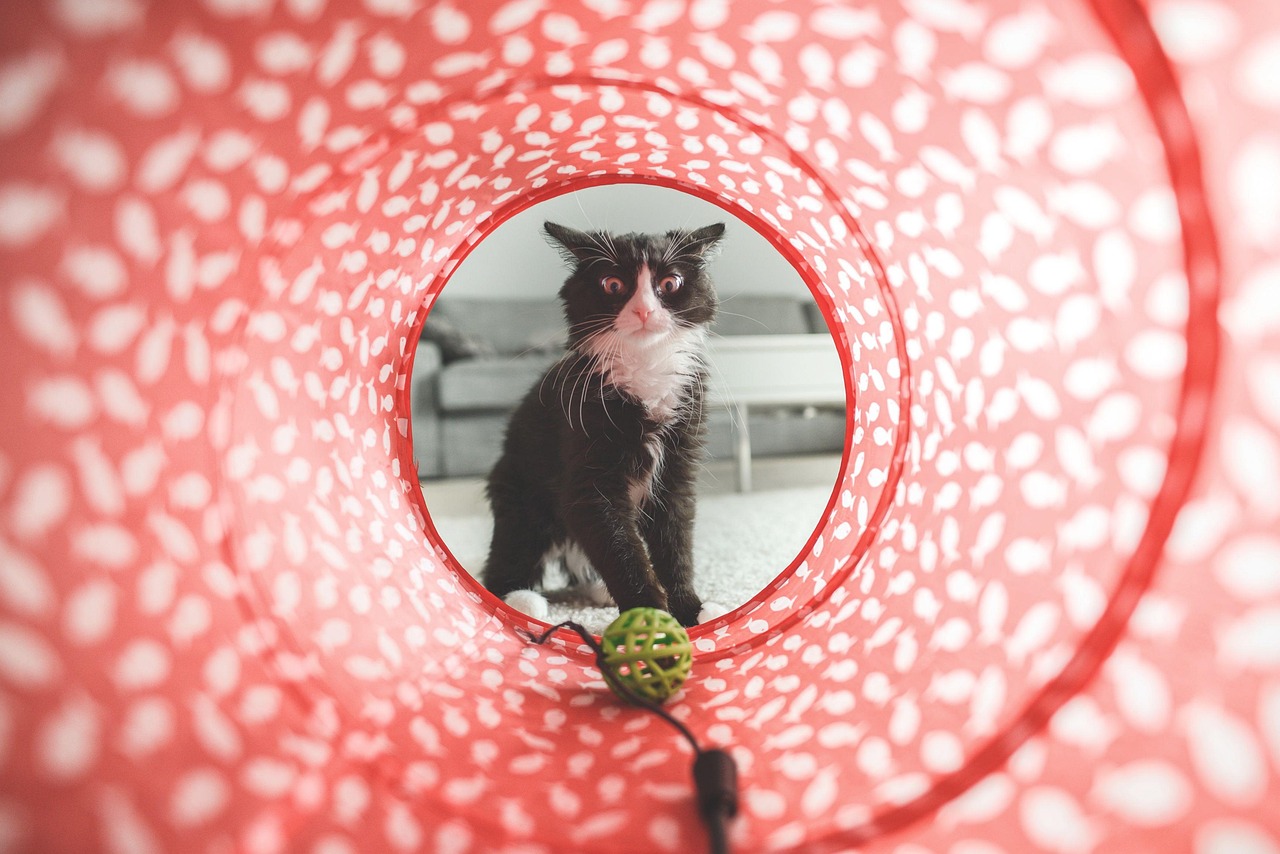
Different types of play serve various purposes in helping rescued cats gain confidence. Interactive play, such as using wand toys or laser pointers, encourages physical activity and simulates hunting behaviors. This not only satisfies their instincts but also builds confidence as they successfully catch their targets. Solo play is also important; providing toys that cats can manipulate on their own fosters independence. Toys that mimic prey, such as small plush mice or crinkle balls, ignite curiosity and engage their natural hunting skills. Sensorial play using sound, texture, and movement can stimulate mental engagement as well. Puzzle feeders can challenge a cat’s problem-solving ability and reward them with treats, boosting their confidence at the same time. Additionally, engaging in social play with humans allows plenty of bonding moments. The use of rewards, whether verbal praises or treats, reinforces positive behaviors that arise during play. By alternating between different play styles, cat owners can discover what uniquely excites and motivates their cats to become more confident. Thus, play plays an essential role in enriching an adopted cat’s life, making the transition smoother.
A safe environment promotes secure play sessions, which are fundamental in integrating rescued cats into their new homes. It’s essential to make sure that the play area is free of hazards, such as loose electrical cords or small objects that could pose choking risks. Safety during playtime ensures that the cat can explore without fear, which contributes to building self-assurance. Providing vertical spaces, such as shelves or cat trees, can also encourage more playful behavior. Cats love to climb and perch, which offers them a sense of security from their elevated position. When a cat has places to retreat to, they can engage in play at their own pace. Creating a calm atmosphere during initial introductions is crucial; keeping the volume low and minimizing sudden movements will help the cat feel more comfortable. As the new home becomes more familiar, the cat is likely to gain confidence and be more playful. Furthermore, it’s important to observe the cat’s body language. Checking for relaxed postures or playful pounces indicates a comfortable state, promoting healthy social development.
Establishing a routine that includes daily play is beneficial for the emotional well-being of rescued cats. Routine creates predictability, which can help reduce their anxiety levels significantly. Incorporating consistent playtimes builds trust between the cat and the owner, as the cat learns to associate the owner with positive experiences. Such structured interactions contribute to socializing skills, especially for previously stray cats who may struggle with human interaction. Play should ideally occur when the cat is more active, often during dawn or dusk; understanding these natural tendencies maximizes engagement. Keeping sessions short yet frequent avoids overwhelming the cat and prevents play fatigue. While playful cats display excitement, it’s essential to encourage calmer behaviors to balance stimulation. Gentle petting or offering quiet time after active play can support relaxation. Owners can even rotate different toys to maintain interest and keep their furry friends engaged. Experimenting with new play techniques fosters creativity and strengthens the bond between pet and owner. Ultimately, consistent play not only aids in confidence building but also supports a joyful union in their forever homes.
Understanding Individual Play Preferences
Every rescued cat is unique, displaying different personalities that affect their play preferences. Some cats may be inherently bold and seek interactive play, while others could be timid and prefer solitary toys. By observing a cat’s reactions to various toys, owners can identify preferences and tailor play experiences accordingly. For instance, a cat that takes an interest in string-like objects may enjoy wand toys, while a cat that favors textures might prefer plush toys. Gradually introducing new toys can also help build a cat’s confidence in exploring and playing freely. Moreover, cats exhibit varying energy levels, necessitating adjustments in play strategies. High-energy cats may require vigorous play sessions, while quieter cats may thrive with gentler activities. Owners should embrace patience and allow cats to play at their own pace. Encouraging exploration without forcing interaction allows the rescued cat to discover joy in playtime. Understanding and respecting these individual preferences is essential for confidently integrating cats into their new homes, fostering a deeper connection between the cat and its adoptive family.
In addition to mental stimulation, play significantly contributes to a rescued cat’s physical health. Regular play sessions encourage exercise, helping to maintain a healthy weight and support overall fitness. Obesity is a common issue among indoor cats, and engaging in play can help combat this problem effectively. Activities that mimic hunting behavior can help build muscle tone and improve coordination as rescued cats learn to chase and pounce. Physical activity also leads to the release of endorphins, which create a positive emotional response, further boosting the cat’s confidence. Owners can use a variety of tools, from laser pointers for fast-paced chasing to dangling toys for jumping exercises. Structured playtime also offers an excellent opportunity to monitor any changes in behavior or physical health. Tracking activity levels can provide insights into a cat’s needs and preferences over time. For example, consistently low engagement during play may indicate underlying health issues that require attention. Recognizing these signals allows for timely interventions, ensuring the rescued cat thrives in its new home with a healthier and more confident demeanor.
Promoting Lifelong Play Habits
Encouraging a love for play is not just about the initial transition period; it’s also crucial for long-term happiness. Setting the groundwork for lifelong play habits early will lead to better adjusted and happier cats throughout their lives. Taking time to understand the cat’s play style and encouraging new explorations ensures that play remains engaging rather than routine. Incorporating new treats or games periodically can challenge the cat and keep boredom at bay. It’s also beneficial to involve family members in play activities, promoting a sense of community among everyone in the household. Cats thrive on social interaction, and shared playtime strengthens community ties. Regular play isn’t limited to physical toys; it can include training activities that stimulate the mind. Simple commands or tricks can combine mental and physical engagement, solidifying the bond between the cat and the owner. Setting objectives and celebrating achievements during these play sessions builds confidence. Ultimately, the goal is to create a joyful environment where rescued cats can continue to thrive, explore, and grow into their confident selves, nurturing a healthy and fulfilling life.
Ultimately, play is a vital aspect of integrating rescued cats into their new homes, essential for their development and confidence. The strong relationship between play and emotional well-being underscores the importance of interactive activities for these vulnerable animals. Owners play a significant role in providing enriching experiences and a safe environment, which allows these cats to heal and adjust post-rescue seamlessly. Enabling rescued cats to express their personalities through play fosters a deeper connection with their human companions. As cats adapt to their new environments, the memories created during play will contribute to successful integration, ensuring stability in their new lives. Reassuring through both verbal and physical interactions during play nurtures trust and confidence levels over time. Owners should aim for shared experiences through play, transforming initial awkwardness into relaxing moments filled with joy. Finally, the long-term advantages of regular play cannot be overstated; it helps sustain mental, emotional, and physical well-being throughout the cat’s life. By embracing the role of play and its significance, rescued cats can embark on a journey from uncertainty to confidence, enjoying their forever homes to the fullest.