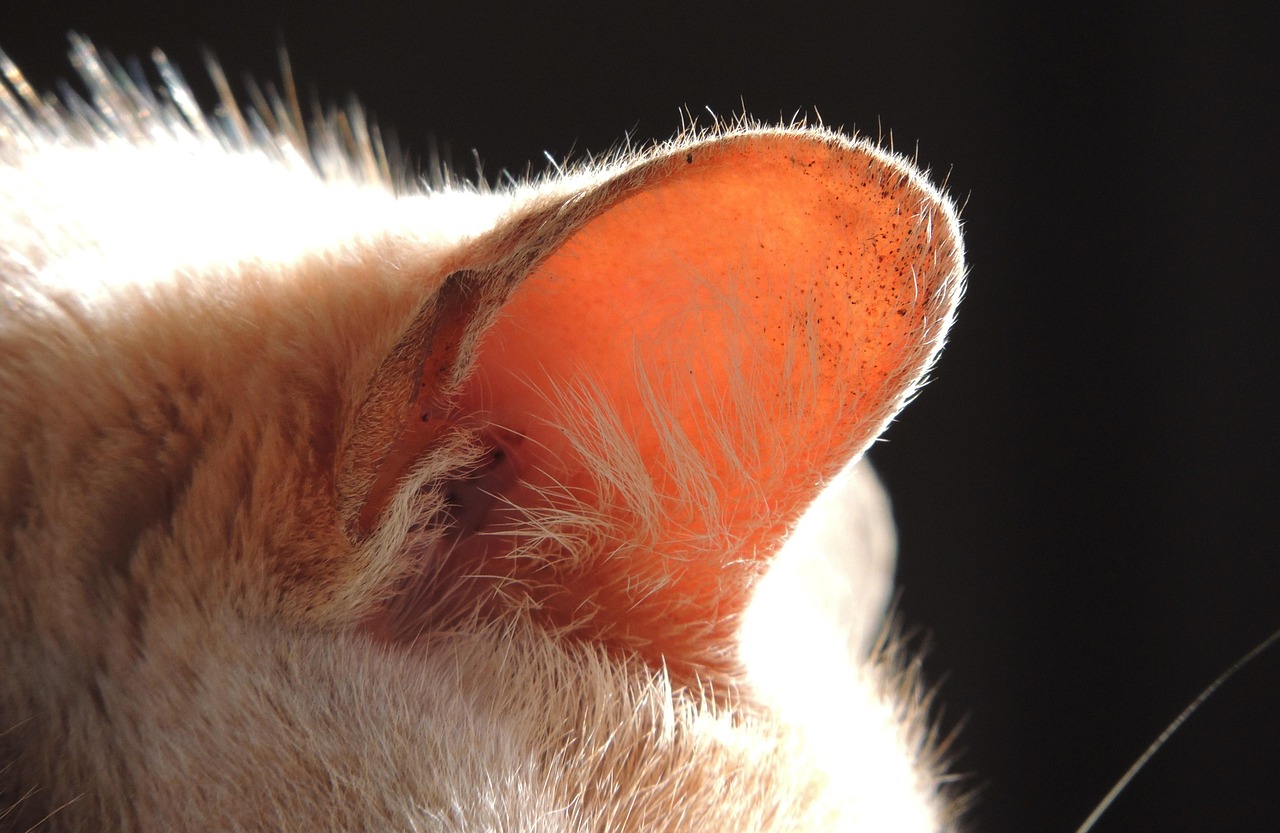

Signs of Allergies Affecting Your Cat’s Ears
As a pet owner, it’s vital to keep an eye on your cat’s health and well-being. One commonly overlooked aspect is the ears, where allergies can manifest. Ear problems in cats can lead to discomfort and more severe health issues if not addressed. Common signs of allergies affecting your cat’s ears include excessive scratching or pawing at the ears. The cat may also shake their head frequently or tilt it to one side. Other indications include redness or inflammation in the ear canal or the outer ear. Keep an eye out for any discharge, which can be yellow, brown, or even bloody. These symptoms suggest a potential allergy. If you notice your cat showing any of these signs, it is crucial to act promptly. Consult with your veterinarian, who can assess the situation and determine if allergies or another underlying issue are affecting your cat’s ears. Proper and timely intervention can make a significant difference in your cat’s quality of life and prevent further complications.
In addition to the visible signs of allergies affecting your cat’s ears, behavioral changes can offer important clues. A cat experiencing discomfort may become more reclusive and avoid interaction with family members. They might also exhibit signs of irritability or anxiety, which can manifest through sudden aggression or restlessness. If your cat begins to vocalize more than usual, it may be a desperate attempt to communicate their unease. Some cats affected by allergies may also exhibit changes in appetite; they might lose interest in food or water due to discomfort. Keep track of their eating habits and overall demeanor, as these indicators can help in diagnosing issues sooner. Another critical sign to watch for includes a strong odor emanating from the ears. This could point to a secondary infection that needs immediate attention. Monitoring your cat closely for these changes is essential for their health and happiness. Collaborating with your veterinarian can facilitate additional testing that may be necessary to determine the exact cause of these symptoms.
Common Causes of Ear Allergies
Allergies in cats can stem from various sources, including food, environmental factors, and parasites. Food allergies often arise from common ingredients in commercial cat diets, such as chicken, beef, or fish. If you suspect a food allergy, consider working with your veterinarian to eliminate potential allergens from your cat’s diet and reintroduce them gradually. Environmental allergens can include pollen, dust mites, mold, or even household cleaners. These irritants can trigger an allergic reaction when your cat comes into contact with them. Regular cleaning and grooming can help keep these allergens at bay. Additionally, external parasites like fleas can also contribute significantly to ear allergies. Flea saliva is a common allergen that causes intense itching. Even a single flea bite can lead to serious irritation in sensitive cats. Ensuring your cat is on a regular flea prevention regimen can minimize this risk. Understanding these causes can help you take necessary actions to protect your kitty from discomfort and help establish a baseline for future monitoring.
Another crucial aspect of dealing with allergies affecting your cat’s ears is proper grooming. Regular ear cleaning can aid in preventing excess wax build-up and infection, which can worsen allergic conditions. However, it is vital to approach ear cleaning with caution. Use appropriate cleaning solutions recommended by your veterinarian designed specifically for cats. Avoid using cotton swabs inside the ear canal, as they can cause injury or push debris further into the ear. Instead, soak a cotton ball with the cleanser, gently wipe the outer ear, and let the solution work its magic. After cleaning, observe for any persistent signs of discomfort or unusual discharge that may indicate an underlying issue. Be sure to clean your cat’s ears gently and speak to them in a soothing tone during the process to help keep them calm. Additionally, regular grooming sessions along with ear checks can foster a healthier ear environment and help you catch any signs of allergies early on, ultimately ensuring healthier and happier feline companions.
Treatment Options for Allergies
Once you identify the signs and potential causes of your cat’s ear allergies, discussing treatment options with your veterinarian is vital. They may recommend antihistamines to alleviate itching and discomfort. In some cases, corticosteroids may be indicated to reduce inflammation and manage severe allergic reactions. It’s essential to follow your veterinarian’s advice on dosages and duration of treatment carefully. Additionally, topical treatments designed to soothe the ear canal or ear drops may be prescribed to help clear up any infections that have developed due to the allergies. In some instances, food trials may be necessary to pinpoint specific allergens, especially if a food allergy is suspected. Consult professionals about switching to a suitable limited-ingredient diet. Environmental control measures can also play a considerable role in long-term management; keeping your home clean and allergen-free may drastically improve your cat’s comfort. Veterinary-guided treatment plans tailored to your cat’s particular situation can ensure they effectively manage their allergy symptoms and enjoy a healthier life.
Monitoring your cat’s progress is an integral part of addressing ear allergies. Keep a detailed log of any symptoms, changes in behavior, and the efficacy of treatments provided. Reporting this information to your veterinarian during follow-up visits can assist significantly in managing your cat’s health. Additionally, you may need to adjust your cat’s treatment protocols based on their progress or any new developments. If symptoms improve, it may be possible to gradually reduce or eliminate medications under the supervision of your vet. On the other hand, should symptoms persist, this log can guide further testing or treatments that may be more effective. Ensure your cat regularly undergoes preventive veterinary check-ups to monitor their overall health and address any emerging issues as soon as they arise. Paying close attention to your cat’s ear health and being proactive in recognizing potential warning signs of allergies is essential for maintaining your beloved feline companion’s long-term well-being. With prompt attention and dedicated care, your cat can continue to lead a joyful, healthy life.
Conclusion
In conclusion, understanding the signs of allergies affecting your cat’s ears is essential for effective management. Recognizing symptoms early, such as excessive scratching, ear tilting, or behavioral changes can lead to timely interventions. Regular grooming and ear cleaning are crucial in keeping ear infections at bay and mitigating allergy effects. Collaborating closely with a veterinarian to identify potential allergens and establish a tailored treatment plan will provide the best outcomes for your pet. Additionally, tracking your cat’s progress and communicating any significant changes in behavior or health can inform your vet of the effectiveness of the chosen interventions. By being proactive about ear health, you not only ensure comfort for your cat but also foster a longer, happier life. Fostering a healthy environment inside your home, along with quality preventive care, can minimize allergy flare-ups, ensuring your feline friend thrives. With diligence, love, and proper attention, your cat can enjoy a life free from the obstacles that allergies may present. Remember that vigilant care goes a long way in ensuring your favorite pet remains healthy.
Your cat’s well-being is worth the effort involved in identifying and treating allergies. If you ensure a cleaned and healthy environment, you provide are giving your furry friend the best chance at avoiding ear issues caused by allergies. Keep an eye out on your pet’s routines and habits; anything unusual should prompt a visit to a veterinarian. Early diagnosis and treatment are key components of maintaining your cat’s happiness and comfort. The combination of regular check-ups, proactive ear care, and attentive observation empowers you as a pet owner to better address your cat’s health concerns. Create a checklist to monitor their habits over time, which will aid both you and your veterinarian. Through mutual efforts and commitment to your pet’s well-being, you can cultivate a nurturing relationship while ensuring a high quality of life for your beloved cat. Establishing effective communication with your veterinarian is also essential; they can guide you through the intricacies of your pet’s healthcare requirements. Ultimately, your dedication makes a significant difference in enhancing your kitty’s health and happiness.