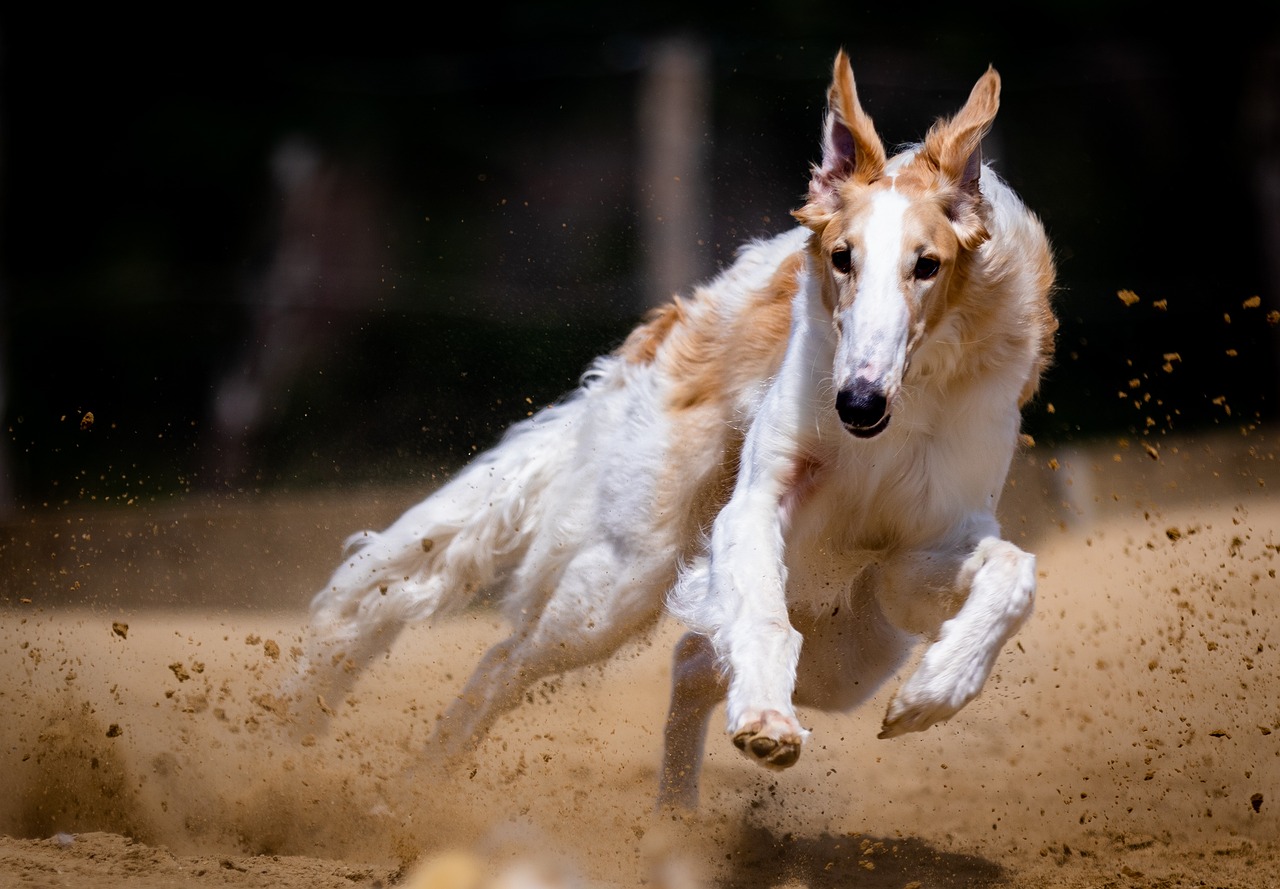

Creating Harmonious Interactions Between High and Low Energy Dogs
When bringing dogs of differing energy levels together, it’s crucial to understand their unique needs and behaviors. High-energy dogs are typically more playful and exuberant, seeking constant stimulation from their surroundings. In contrast, low-energy dogs may prefer a calmer environment where they can lounge and relax. Misunderstanding these differences can lead to disagreements or stress among the dogs. To encourage positive interactions, owners must facilitate controlled introductions, allowing dogs to meet in neutral environments. This not only eases tension but also fosters trust. Employing gradual desensitization strategies can prove effective; this involves exposing both types of dogs to each other slowly, allowing interactions through positive reinforcement. Observing body language helps identify signs of discomfort or excitement. Engaging tools such as leashes can allow owners to manage close encounters safely. Moreover, creating a schedule that integrates both playtime for energetic dogs and tranquil moments for calmer ones is essential. Mutual respect for each dog’s preferences ensures everyone feels secure and valued. It’s through these strategies that owners can cultivate a peaceful, enjoyable atmosphere during socialization sessions.
Understanding the basics of energy levels assists dog owners in making informed decisions when socializing their pets. High-energy dogs often exhibit behavior like constant motion, jumping, or barking. They thrive on play, often wanting to engage and run frequently. In contrast, low-energy dogs often display a more subdued demeanor, preferring gentler interaction. They might enjoy shorter, calmer play sessions, or even just lying by their owners’ feet. Recognizing a dog’s individual energy requires careful observation. Owners need to assess the energy level in diverse situations; walking to a dog park versus a quiet home can elicit different reactions. Facilitating a balanced routine is essential. Incorporating daily exercise for high-energy dogs establishes an outlet for their needs without overwhelming their low-energy counterparts. On the other hand, providing enriching activities that require less physical energy engages low-energy dogs without distressing. Dog owners should be aware that age, breed, and even health impact energy levels. These aspects play a significant role in determining suitable companions for each dog in socialization practices.
Gradual Introduction Techniques
The introduction phase should be approached with patience and care, especially when dealing with dogs of varying energy levels. Start with neutral territory, such as a park or open space where neither dog feels territorial. Keep the dogs on separate leashes to monitor their reactions closely as they approach each other. Use calm, soothing voices to convey reassurance to both your dog and the other dog. Allowing dogs to greet at a distance can help gauge initial reactions without overwhelming them. If both display relaxed body language, gradually shorten the distance. Observe tail positions, ear movements, and facial expressions for signs of stress or eagerness. Engage in positive reinforcement; rewarding calm behavior with treats or praise encourages both dogs to remain relaxed. If interactions remain positive, introduce short play sessions. It’s essential to keep playtime structured; high-energy dogs can become overly excited, unsettling the low-energy counterparts. While it might take multiple sessions to establish harmony, patience and consistency foster deeper connections. Each successful interaction nurtures comfort and understanding, making future meetings pleasant.
Supervised play is essential for ensuring that both high and low-energy dogs can enjoy interactions without chaos. Initiating play with passive activities like fetch or tug-of-war can engage the higher-energy participant while ensuring the calmer dog isn’t overwhelmed. Understanding the limits of each dog fosters a more harmonious environment. High-energy dogs might tend to dominate play, unintentionally imposing their boisterous behavior on more reserved canines. Therefore, a clear boundary must be established. If a low-energy dog appears stressed or withdrawn, intervening is critical before further escalation occurs. Providing safe zones allows lower-energy dogs to retreat when overwhelmed. High-energy dogs can learn valuable lessons regarding boundaries and consent through supervised play. Training and reinforcing good behavior during interactions benefits both dogs. If rewards and positive reinforcement are utilized consistently enough, engaging in socialization becomes a rewarding experience rather than a daunting task. This approach allows dogs to adjust at their pace while easing the heightened stress often associated with unfamiliar dog interactions.
Choosing the Right Playmates
Selecting appropriate playmates is vital for both the high and low-energy dogs’ social experience. Not all dogs share compatible energy levels; thus, compatibility assessments can lead to enjoyable interactions. Consider engaging in doggy daycare or local meetups to observe potential companions’ behavior firsthand. High-energy dogs thrive in environments with ample room and opportunities for energetic play, while low-energy dogs thrive in settings conducive to less rowdy activities. Matching energy levels allows for enriching experiences without overwhelming any participant. Utilizing breed traits offers insights into each dog’s expected energy tendencies, guiding owners in their choices. Mixed breed dogs may display the characteristics of either energetic or more sedate breeds, demanding careful evaluation. Regular playdates with compatible friends help establish rapport, so dogs become accustomed to one another’s presence over time. Conversely, attempting to force interactions with mismatched energy may result in anxiety and frustration for both canines. Owners must remain attentive and willing to switch play partners if initial introductions don’t yield positive outcomes, ensuring ongoing social support among their furry companions.
Incorporating mental stimulation is equally as crucial as physical activity for achieving balance in socializing dogs with differing energy levels. Activities like puzzle toys, scent games, or hiding treats nurture the cognitive engagement of both high and low-energy dogs. Providing varied forms of entertainment prevents boredom, further enhancing social behavior. High-energy dogs often require outlets that channel their spirited nature, so incorporating mental activities helps manage their excitement while creating challenges to keep them engaged. Simultaneously, low-energy dogs benefit from cognitive stimulation that encourages them to participate in family activities at their own pace. Teaching new tricks or obedience commands can empower dogs and improve their focus during social interactions. Each session can eventually become a rewarding experience for both energy types. Playful training reinforces bonds between dogs and reinforces positive dynamics in the socialization process. Moreover, engaging in joint tasks fosters feelings of companionship and collaboration. Mental stimulation serves as an invaluable resource that uplifts the experience of socialization while developing a well-rounded, balanced relationship between dogs of varying energy levels.
Recognizing Stress Signs
Recognizing signs of stress in dogs can help prevent undesirable incidents during interactions. Dog owners should educate themselves about common stress signals displayed by both high and low-energy canines. Body language like tucking tails, raised hackles, or avoiding eye contact often indicates discomfort or unease. Low-energy dogs may exhibit subtle signs, such as lip licking or head turning, reflecting their desire to disengage from high-energy play. Alternatively, high-energy dogs may escalate their excitement through barking or lip-licking, which can escalate into overzealous behavior. To mitigate stress, owners should stay vigilant and intervene immediately upon signs of discomfort, redirecting attention where necessary. Establishing safe spaces as retreats for anxious dogs can promote faster recovery and ease alarming situations. Encouraging positive distractions through situational changes, like changing the location or engaging with toys, can defuse potential tension. Over time, dogs will learn to recognize and signal their desires to their owners for the necessary downtime when needed. Successfully creating a socially harmonious environment relies on awareness, adaptability, and understanding of each dog’s individual requirements.
Socializing dogs of varying energy levels can be a rewarding experience that promotes mutual understanding and companionship among pets. Building connections takes time, observation, and patience from their owners. Understanding fundamental canine behavior ensures tranquil interactions and successful outings. Owners must rely on careful introductions, using humane techniques that prioritize each dog’s comfort and safety. It is also essential to provide both physical exercise and mental stimulation, enabling dogs to flourish in their social lives. Owners should observe for signs of stress to manage interactions proactively. High-energy dogs provide engaging play, while low-energy canines offer opportunities to foster calm bonds. With practical strategies in place, dog owners can create environments in which both energy types harmoniously coexist. Emphasizing proper tools like leashes, safe spaces, and engaging activities alongside positive reinforcement mechanisms enhance the overall experience. In return, pets develop valuable social skills and emotional intelligence. Ultimately, understanding each pet’s individual needs contributes significantly to achieving stable and joyous socialization. Through increased awareness and cooperation, owners build stronger relationships and enhance the well-being of their beloved dogs.