
Top Toys to Keep Your Dog Engaged During Training Sessions
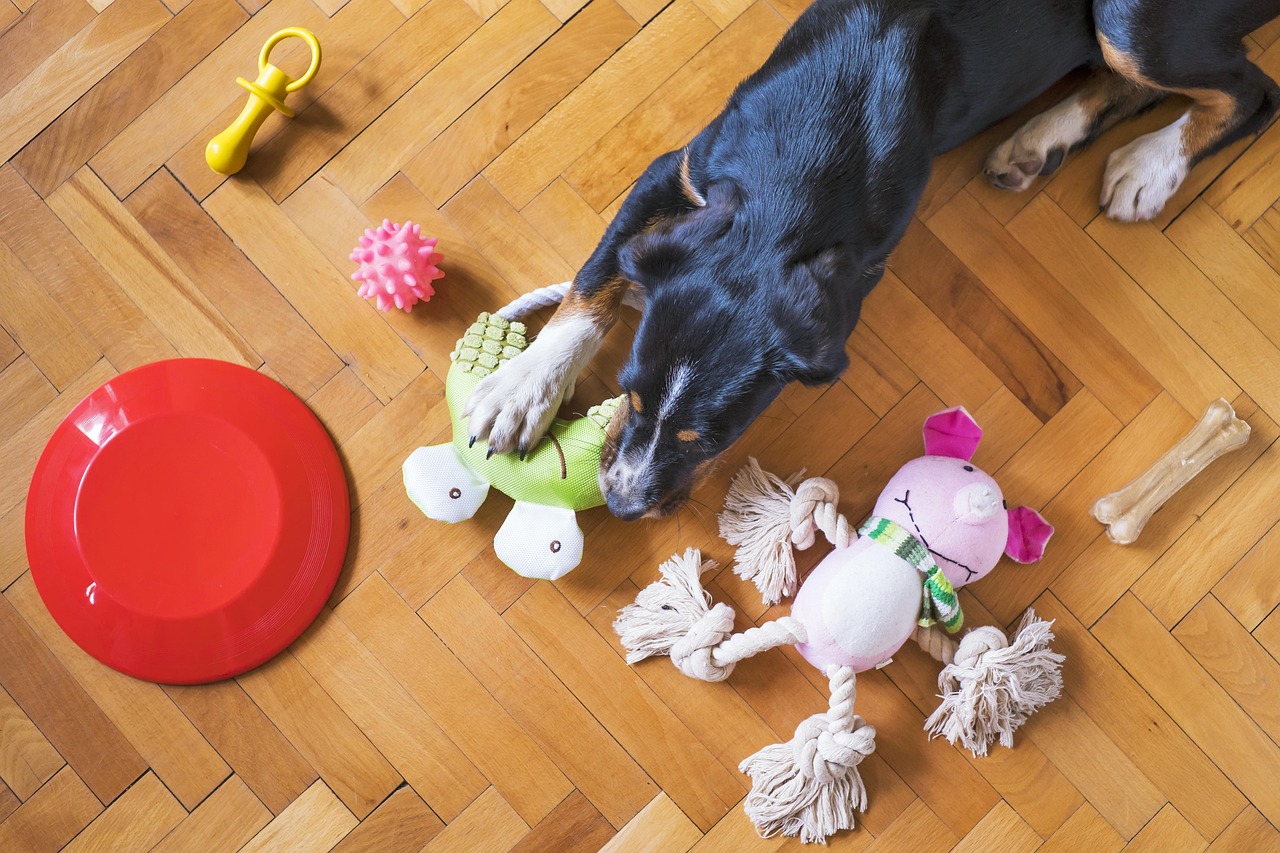
When it comes to training your dog, using toys effectively can greatly enhance the experience for both of you. Engaging your pet with toys not only maintains their interest, but also promotes a positive attitude towards learning. Among the most popular choices, interactive toys provide mental stimulation, helping your dog to focus better during training sessions. Consider tug toys; these are excellent for building excitement and facilitating a dynamic training atmosphere. Chew toys are another fantastic option as they satisfy your dog’s natural urge to chew, while also keeping them busy and encouraging good behavior. Squeaky toys are equally entertaining and can be used to capture your dog’s attention swiftly during lessons. Training sessions can feel less monotonous with toys, making your dog look forward to learning. Make sure you rotate the toys regularly to avoid boredom, and reinforce their skills using toys as rewards. This will help your furry friend associate training with fun, leading to a more effective and enjoyable learning experience for you both.
Another popular category of training toys is the puzzle toy. These toys challenge your dog to think critically and solve problems to access hidden treats. Not only can they keep your pet occupied for extended periods, but they also encourage cognitive development. Puzzle toys come in various difficulty levels, so you can gradually increase the challenge as your dog gets better at problem-solving. Rope toys can also play a significant role in training, particularly in teaching recall. These toys enable you to play fetch while incorporating basic commands, making training feel like playtime. When your dog retrieves the rope, offer praise as a reward. Be consistent with commands, so your dog associates the retrieve with good behavior. Additionally, toys designed for flying discs can help in enhancing agility and quick response. Frisbees not only provide an excellent workout but help imbed commands like ‘sit’ and ‘stay’. Introducing these toys can keep your dog physically active while reinforcing positive learning experiences.
Specialized Training Toys for Specific Skills
Specialized training toys can assist in teaching specific skills that dogs need to incorporate in their daily life. For instance, agility training equipment such as tunnels, jumps, and weave poles can be integrated into your sessions. These items motivate your dog to navigate obstacles and improve coordination while having fun. Engaging in agility training fosters a bond between you and your pet, as teamwork is essential. Additionally, balance balls can promote stability and body awareness, making them a great tool for training sessions. Remember that keeping your dog physically and mentally stimulated is vital to achieving lasting results. Ball toys can also enrich training sessions by encouraging chasing and fetching. Using a toy that bounces erratically can spike your dog’s interest and enhance the excitement. Always practice safety precautions: ensure the toys are suitable for your dog’s size and aggressive chewing tendencies. You can also teach commands like ‘bring’ or ‘drop’ alongside the usage of these fun toys. The key is to keep things fresh and maintain enthusiasm during training.
Another excellent category is the fetch toys, which can lead to enhanced physical activity during training. Examples include tennis balls, rubber balls, or Frisbees, helping your dog develop impulse control and retrieval skills. You can incorporate fetch into your training routine by alternating commands with the fetch action. For example, throw the ball, and then ask your dog to ‘sit’ before throwing again. This combination emphasizes the discipline aspect of training. Furthermore, interactive fetch toys that return the ball to your dog can make solo fetching even more exciting while you’re focusing on other things. Safety must be prioritized in toy selection, as dogs often chew or ingest parts. Always monitor your dog’s interaction with their toys, ensuring safe play. Utilizing a variety of toys can cater to your dog’s unique interests while making the training process enjoyable. Make sure to keep a balance between different toys to continuously challenge your dog. Ultimately, engaging toys create a positive association with training, building upon their willingness to learn.
Using Toys as Rewards During Training
Incorporating toys as rewards can significantly enhance the effectiveness of your training sessions. By utilizing toys to reward desired behavior, you create a strong motivation for your dog to repeat the action. This is often more effective than using treats, as many dogs find playing with a toy more engaging than receiving food. Timing is crucial—immediately reward your dog after executing the command correctly with the favorite toy. This method reinforces the behavior and builds strong connections in their mind. A toy can be a significant motivator during training; even using your hands to create a game of chase can stimulate excitement. Tug-of-war games with a rope toy can also teach commands, provided they are structured correctly. Moreover, ensure you consistently follow through with your toy rewards to instill the correct behaviors. Practice makes perfect; even a few minutes of play using a toy every day can lead to considerable results. Dogs thrive on routine and will learn quickly to associate training with the fun provided by their toys.
As you continue with your training sessions, it is essential to consider your dog’s preferences when selecting training toys. Understanding what toys your dog responds to best will allow you to tailor sessions for maximum engagement. Some dogs may prefer soft squeaky toys, while others may enjoy tougher chew toys. Spend some time observing your dog’s interests during playtime to discover their favorite types. Creating a toy box filled with various options allows you to mix and match, keeping your dog intrigued and motivated throughout training. Additionally, switching between different types of toys during sessions can prevent monotony, ensuring your dog perceives each practice as a new adventure. Moreover, choose durable, easy-to-clean toys to ensure longevity and hygiene. Toys that promote interactive play between you and your dog may also strengthen your bond while maintaining engagement. Always ensure toys are safe and suitable for matched sizes and chewing habits, allowing training sessions to feel enjoyable both for you and your pet.
Conclusion: The Impact of Engaging Toys in Training
In conclusion, incorporating various toys into your dog training routine can lead to a more effective and enjoyable experience for both you and your beloved pet. Engaging your dog with the right toys not only enhances their focus and helps curb distractions but also fosters a sense of excitement around training sessions. From interactive puzzle toys that stimulate mental play to durable fetch toys motivating physical activity, each toy serves a unique purpose during training. Consistently using positive reinforcement, whether through toys or praise, helps establish trust and improves overall behavior. Regularly rotating toys and paying attention to your dog’s preferences will maintain their interest, while also encouraging a healthy lifestyle. As you explore different techniques and toys, always prioritize safety and suitable choices to maximize your dog’s training potential. Ultimately, when your dog associates training with fun, they eagerly participate, leading to long-lasting behavioral improvements. Make playtime a key component of your training sessions, and watch your dog flourish and thrive. The bond you create during this time will become invaluable for nurturing training success.