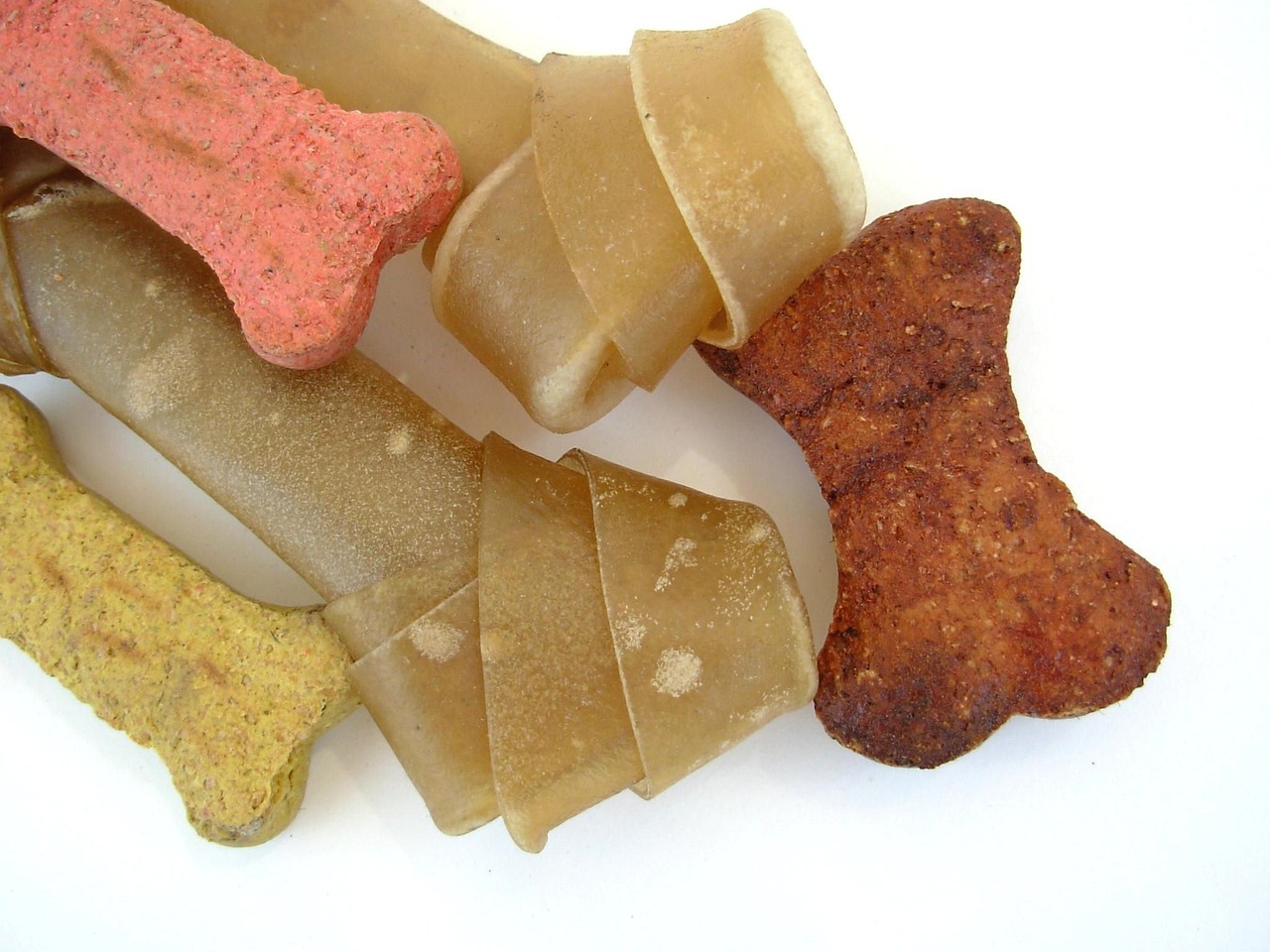

How to Store Homemade Dog Treats for Freshness
Ensuring the freshness of homemade dog treats is essential for your dog’s health and enjoyment. Proper storage methods can significantly affect the shelf life and taste of those tasty snacks. One effective way to store the treats is by using airtight containers. These containers prevent air exposure, helping to maintain moisture while keeping the treats fresher for longer periods. Additionally, consider labeling each container with the date you made the treats to track how long they’ve been stored. Store them in a cool, dry area to avoid moisture and temperature fluctuations that can spoil the treats more quickly. Selecting the right container is crucial; glass or high-quality plastic containers are ideal choices. Remember, certain ingredients you may use can impact the shelf life, so adjusting storage methods accordingly can be beneficial. An example is using ingredients like pureed fruits and vegetables, which can affect moisture content, meaning extra attention should be paid to how they are stored. By following these guidelines, you can keep your homemade dog treats fresh, ensuring your furry friend enjoys them for as long as possible.
Another essential factor in storing homemade dog treats is temperature control. Optimal temperature conditions can extend the treats’ lifespan and preserve their flavor and texture. For those that last longer, storing in the refrigerator can be a viable option, especially if they contain perishable ingredients. In contrast, storing treats at room temperature may be suitable for dryer varieties; however, ensure they remain in a cool spot away from direct sunlight. Furthermore, whenever possible, freeze treats for maximum longevity. Before you freeze them, ensure they are completely cooled to prevent ice crystals from forming. When you want to serve them, thaw just the amount needed so as to not continually expose the treats to air. This method also allows you to prepare larger batches without worrying about spoilage. Always remember to package treats in freezer-friendly bags or containers to protect them from freezer burn. Using parchment paper between layers can also help to separate treats. By employing these temperature control tips, you’ll ensure that your homemade dog treats remain fresh, tasty, and ready for your pup whenever they come calling.
Use of Desiccants in Storing
Including desiccants during storage is another effective method to ensure your homemade dog treats maintain their freshness. Desiccants are substances that absorb moisture, helping to keep conditions dry inside the storage container. Placing a small food-safe desiccant pack within your treat storage can effectively regulate humidity levels, especially in environments prone to dampness. This helps prevent mold growth, which can render treats unsafe for your pets. Ensure to choose food-safe options designed for this purpose, avoiding those that may contain harmful chemicals. Additionally, remember to replace desiccant packs regularly according to manufacturer’s instructions for optimal effectiveness. Homemade treats can vary greatly, and their ingredients may also dictate the use of desiccants. For example, high-moisture ingredients like fruits may require more attention in this area. Not only do desiccants prolong shelf life, but they also help preserve the texture of your treats, ensuring they don’t become soggy or stale. By considering desiccant use alongside proper storage containers, you can significantly enhance the longevity and quality of your delicious homemade dog treats.
Another critical component of storing homemade dog treats is paying attention to visual and olfactory cues. Always check the appearance and smell before giving a treat to your dog. If any mold or unusual change in color appears, discard the treats immediately. Likewise, a lingering off smell might signal that the treats have aged beyond their safe consumption. Keeping track of visual signs can greatly benefit both you and your four-legged friend. Regularly rotating your storage stock can prevent stale treats from becoming overlooked and ensure that you are consistently providing your dog with fresh options. Establishing a routine of checking your homemade treats weekly helps bolster freshness. If your treats are nearing their expiration date, consider using them up or sharing them with fellow dog lovers. This can provide your dog with continued new flavors and textures. Social media groups or local dog meet-ups can be perfect venues for sharing. Remember, it’s not just about making delicious homemade treats; it’s also about ensuring that they remain a healthy choice over time. Prioritizing condition checks and careful observation keeps your dog happy and safe.
Understanding Ingredient Impact
Understanding how different ingredients affect your homemade dog treats can also contribute to their freshness. Ingredients like peanut butter often have preservatives that provide longer shelf life, while fruits and vegetables can echo moisture content, thus demanding more careful storage strategies. When formulating your recipes, consider using dry ingredients strategically to balance overall moisture. For instance, pairing fruits with oats or other dry components can stabilize humidity. Consider your dog’s dietary restrictions when crafting your recipes; this could play a role in how effectively you can store these treats. Healthier options may also necessitate quicker consumption, so always label and store accordingly. Using a mix of fresh ingredients and shelf-stable products can give your dog a variety of flavors while simplifying your storage methods. Plus, using seasonal products may introduce unique and exciting options for your furry friend. Adjustments in ingredient choices can alter not only the taste but also the overall shelf life of your treats. This insight into ingredient interaction can truly enhance your approach to making treats that remain fresh, nutritious, and safe for consumption.
Creating a thoughtful storage strategy not only protects the quality of your homemade dog treats but also enhances your cooking experience. Maintaining a clean kitchen and ensuring your workspace is sanitized plays an essential role in avoiding contamination in your treats. Before beginning your treat-making process, ensure all utensils and surfaces are clean — this helps extend treat freshness by warding off potential bacteria. Regularly replacing storage containers and monitoring their integrity allows for a seamless operation. It’s crucial to perfection in every batch to keep up with your dog’s excitement for treats. Moreover, encourage family members to participate in treat preparation sessions which can be a delightful bonding activity. Putting everyone on the same page about storage practices can prevent mishaps and keep production consistent. Establish a team effort on how best to store devoured creations or make a fun family project out of restocking storage items. As you create better habits together, it will foster an understanding of the importance of freshness in your homemade dog treats. Regular family involvement can stimulate excitement about making and sharing dog treats well into the future.
In Summary
In summary, maintaining the freshness of your homemade dog treats requires thoughtful strategies involving storage methods, ingredient choices, and best practices. Using airtight containers minimizes exposure and ensures optimal conditions for your treats. Remember to be aware of temperature requirements, which impact longevity, with refrigeration or freezing being essential for optimal lifespan. Including desiccants within your storage can help combat moisture challenges, while visual cues should always inform your decision-making process regarding treat consumption. The impact of individual ingredients can guide your approach, ensuring you curate a balance of moisture and durability. Regular check-ins and kitchen cleanliness contribute to a safe and healthy treat experience for your furry companion. Encouraging family members to get involved can help raise awareness of responsibility for quality cooking, creating shared experiences in your dog’s pleasure. By understanding and applying these strategies in your homemade dog treat endeavors, you’ll not only keep your pup happy but also reinforce the idea of nutritious living. These tips transform treat-making into delightful experiences that foster connection; freshness is crucial, and a safe homemade approach is vital for their health!
By implementing these strategies into your routine, you’ll ensure that your homemade dog treats can be enjoyed without worry or stress. Keep your dog’s happy moments at the forefront, sustaining an enjoyable and delicious treat experience that highlights the love you have for each other. Ultimately, a little effort goes a long way. Staying organized, aware, and self-educating social media communities for inspiration on treats can help maintain peak quality. This balance not only benefits your dog but can also inspire creativity in your cooking adventures together. Reinforce your understanding of what’s nutritious and what your dog loves through hands-on experience. Effective storage techniques become vital as they directly impact the benefits enjoyed from your hard work. Remember that freshness is paramount, and your dog deserves the best. By adhering to these guidelines, you provide continued sustenance and enjoyment through proper practices. Your dedication will foster a sense of accomplishment every time your dog gets one of those homemade treats and looks at you with those loving eyes! Always remember, quality dog treats are a labor of love, a wonderful recipe for happiness shared with your furry friend!