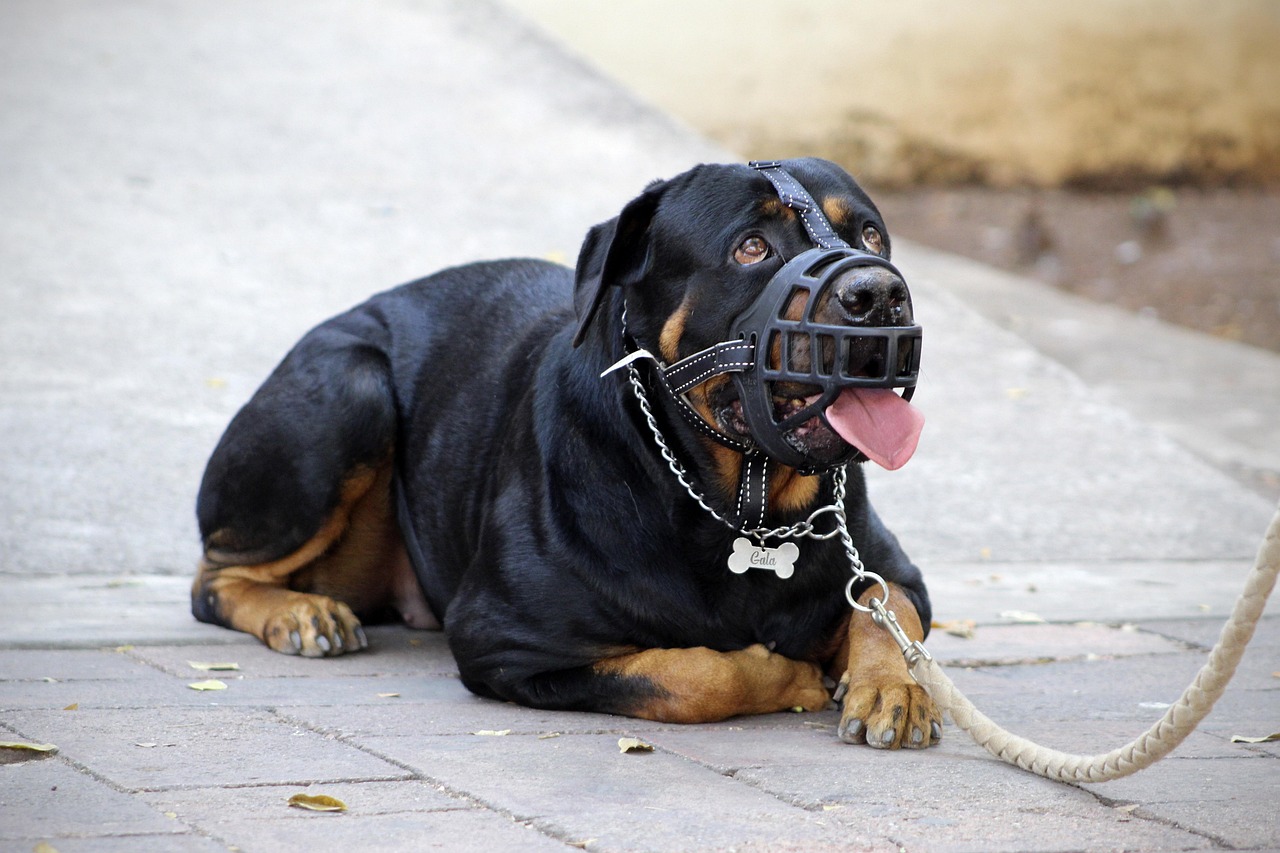

Positive Reinforcement Strategies for Fearful Dogs
Fearful dogs need a special approach to training. Understanding their behaviors and emotions is crucial to helping them build confidence. Instead of using punishment, focus on positive reinforcement. This ensures a healthier relationship between you and your dog. Use treats, praise, and affection as rewards for desirable behaviors. Associating fear-inducing situations with positive experiences can gradually alleviate anxiety. Start with less intimidating scenarios and reward your dog for calm behavior. This technique allows dogs to adopt a more secure and adventurous mindset, which is essential for their well-being. Moreover, always take small steps. Too much exposure to a fearful situation may trigger an overwhelming response. Consequently, make sure to proceed at your dog’s pace. Consistency and patience will yield the best results over time. Fearful dogs may require additional time and support compared to other dogs, and you should be prepared for this journey. Socialization is also a critical component, introducing your dog to new experiences while offering continuous support and reinforcement. These strategies cultivate a sense of security that is vital for an emotionally balanced dog.
Utilizing treats effectively can enhance the training experience. Invest in high-value treats that your dog adores to keep their attention focused. Start with short training sessions to avoid overwhelming your fearful pup. Break down each task into smaller, achievable goals, and celebrate each success. Whenever your dog displays a positive response to a fearful stimulus, reward immediately. This creates a direct link between their behavior and the reward, encouraging repeat actions. If your dog begins to show interest in an object or situation that usually scares them, engage them with a treat. Gradually increase exposure to such scenarios while maintaining a positive atmosphere. You may find it beneficial to implement a clicker to signal when desired behavior occurs. Consistent clicking followed by treats solidifies this positive reinforcement. Additionally, engage your dog in interactive games under low-stress settings to bolster their confidence. It may also be helpful to involve another person for additional support. This can be done through cooperative exercises that teach your dog to trust both of you as dependable figures, enhancing their comfort levels in varied situations.
Establishing a routine can provide your fearful dog with a sense of security. Predictability eases anxiety, enabling your dog to adjust more comfortably to daily life. Create a consistent schedule for feeding, walking, and training sessions. Routines help reduce stress and uncertainty. Incorporate calming on-the-go routines by choosing a few favorite routes for walks. Engaging in quiet evenings with your dog can also foster a comforting environment. Another tactic is to pair training sessions with play sessions where your dog can freely express themselves. This balance can alleviate stress and promote a positive mindset through enjoyment. When your dog exhibits signs of fear, use calming techniques, such as providing a safe space to retreat to. Allow them to process their emotions by offering comfort through gentle touch or soothing words. Over time, you will notice your fearful dog becoming more adaptable. Patience and understanding will transform your relationship. Empowering your dog to feel confident in their surroundings becomes the foundation of overcoming fear. Your encouragement will play a crucial role in shaping their emotional resilience, helping them face fears more decisively.
Socialization Techniques for Fearful Dogs
Socialization is key for building confidence in fearful dogs. It’s essential to introduce them to new people, places, and experiences in a controlled manner. Start with low-pressure environments, where the dog can observe others from a distance. Gradually decrease the distance as they show comfort and curiosity. Engaging your dog in playgroups with familiar, calm dogs can also create successful social interactions. Be sure to closely monitor their reactions during these introductions. Encourage positive interactions with treats or praise for remaining calm and collected. If any signs of anxiety arise, give your dog some space to process their emotions. This gradual exposure will help reinforce their confidence further. Always be aware of your dog’s body language and respect their boundaries. If they retreat or seem uncomfortable, recognize it’s a sign to halt further exposure until they’re ready again. Additionally, enroll your dog in training classes tailored to approachable environments. Having professional guidance can significantly foster a positive learning experience while ensuring safety. Positive socialization experiences create trust and improve overall behavior, allowing your fearful dog to integrate more seamlessly into various situations.
Offering choices is another effective strategy for fearful dogs. Empowering them to make decisions can bolster their confidence and reduce anxiety. Allow them to choose their own toys or resting spots, signifying they have agency in their environment. Create an interactive space at home filled with engaging toys. This encourages exploration and reduces fear of unfamiliar objects. Incorporating scent work or treat-finding games can also stimulate their minds and foster curiosity. These types of activities promote positive experiences linked to moments of uncertainty. Additionally, practice ‘training through life,’ letting your dog earn rewards for making positive decisions throughout their day. If they interact calmly with a new object or person, reward the behavior immediately. It reinforces that taking a risk resulted in a positive experience. Encouraging exploration in a safe and supportive environment can expose your dog to previously intimidating scenarios. As you progress through these activities, gradually introduce more complex challenges to build trust in their abilities. Ultimately, as they gain more autonomy, their general disposition towards fear will improve, transforming their perception of the world into one of curiosity rather than trepidation.
Monitoring Progress and Adjustments
Keep a close eye on your faithful companion’s progress. Recognizing improvements, no matter how small, can dramatically boost your confidence and your dog’s. Create a journal to note their reactions, successes, and areas that still trigger fear. This helps track their journey over time. You may find patterns that reveal conditions or environments that are particularly challenging. Adjust your training methods according to their evolving needs. If your dog appears to be struggling with certain stimuli, revisit previous exercises or decrease exposure and take a step back. It’s important not to push them too hard, causing further anxiety. Also, maintain communication with your veterinarian or a professional dog trainer. Their expertise can provide additional resources tailored to your dog’s unique temperament. Regular check-ins can ensure you stay on course to improve your dog’s emotional well-being. Remember to celebrate achievements, even if they seem minor. Each step forward is progress, building a stronger bond and trust between you and your dog. Fostering a supportive environment will make a real difference. Emphasize kindness in your interactions while continuously monitoring their needs.
Finally, understanding your own emotional state during training is essential. Your feelings can influence your dog’s reactions and progress. Therefore, it’s vital to remain calm and collected throughout the process. Dogs are highly sensitive to their owner’s emotions, so projecting calmness will help soothe their nerves. Engage in deep breathing or mindfulness techniques before sessions to establish a positive energy. If you find yourself becoming frustrated or impatient, take a break. Resuming training after a reset can help provide a more pleasant experience. Additionally, share this journey with friends or family members who support and assist you. They can offer a fresh perspective, and their interaction with your dog can expand socialization opportunities. Enlist them to participate in training sessions when needed, introducing variety to your dog’s experiences. Having multiple trainers can alleviate the fear of a single person while making training fun. Don’t forget to prioritize self-care; caring for yourself will indirectly support your dog’s emotional development. Ultimately, a well-adjusted owner leads to a well-adjusted pup, creating a harmonious bond as you both navigate challenges together.
Conclusion
Positive reinforcement strategies create a nurturing environment for fearful dogs, enabling recovery and growth. Through patience, consistency, and commitment, you can help your dog overcome their fears and enjoy life. It is essential to understand that the journey takes time, but making small significant improvements is pivotal. Whether through socialization techniques, establishing routines, or monitoring progress, every effort counts. Continuous evaluation of your strategies will lead to meaningful adjustments as necessary. Ensure that the techniques employed resonate with your dog’s personality while embracing their individual needs. As they gain confidence, both you and your dog will strengthen your partnership, leading to an enriched relationship. Always remember to celebrate achievements together, no matter how small they may seem. These moments of joy build a solid foundation upon which trust and resilience can grow. Moreover, consistently engaging in positive interactions transforms learning into fun, reducing the likelihood of setbacks. In the end, fostering a safe and supportive environment will undoubtedly aid in turning your fearful dog into a more adventurous and confident companion. The journey you embark on together will create countless cherished memories filled with affection, trust, and happiness.