
Training Your Dog for Lure Coursing: Tips and Techniques
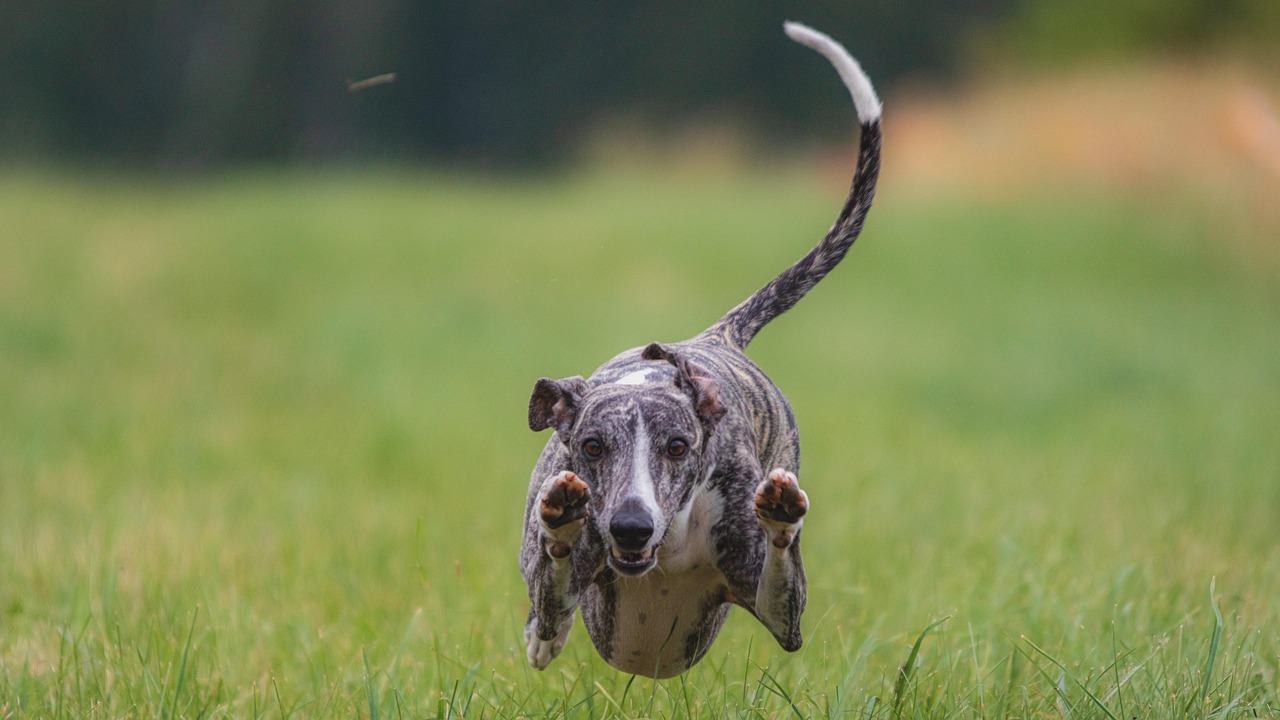
Training your dog for lure coursing involves a series of steps designed to ensure that your furry friend is both enthusiastic and capable of participating in this exciting sport. Begin the training process by assessing your dog’s natural instincts. Breeds like Greyhounds, Whippets, and other sight hounds are often predisposed to enjoy this activity. The first step is to familiarize your dog with the lure itself. Use an appropriate dummy or a toy that resembles the lure in size and shape, and let your dog observe it closely. This helps them become acquainted with the object they will be chasing. Next, initiate a play session using the lure while gradually encouraging your dog to chase it. Make sure to keep the sessions short at first, gradually increasing their duration as your dog’s interest and stamina improve. Be patient, and always incorporate plenty of rewards and encouragement throughout the process. Positive reinforcement is key in maintaining your dog’s enthusiasm for lure coursing and ensuring they view it as a fun activity rather than a chore. Develop their skills steadily, ensuring they are prepared for more rigorous chasing as part of their training.
Building Basic Skills for Lure Coursing
Once your dog is comfortable with the lure, it’s time to focus on building basic skills necessary for success during lure coursing. Initiate by teaching your dog reliable recall commands. A solid recall ensures that when you call them back to you, they respond immediately, which is crucial during training and competitions. Practice recall in various environments, gradually introducing distractions for added challenge. Consistency is vital; firmly establish a routine for your training sessions to help your dog recognize when it’s time to practice. Incorporate leash training to keep your dog focused and guide them when necessary. Use a long line to give them freedom to run while still maintaining control. Additionally, reinforce your dog’s agility and speed through exercises like sprints and obstacle courses. This enhances their physical capabilities, crucial for effective lure chasing. Always wrap each training session with a cool-down period, allowing your dog to relax and reducing the risk of injury. Finally, mixing in other recreational activities such as fetching or playing tug-of-war can help maintain their overall enthusiasm, promoting a well-rounded training approach.
When preparing for lure coursing events, consider the importance of socialization as part of your dog’s training. Enabling your dog to interact with other dogs in a controlled environment helps build their confidence and adaptability. Join local dog clubs or training classes where lure coursing is practiced. This can offer valuable opportunities to meet others involved in the sport and allow your dog to experience the camaraderie and excitement of group training sessions. These experiences will lessen potential anxiety during actual competitions. Always observe your dog’s behavior around others and intervene if necessary to encourage positive interactions. At events, familiarize your dog with the setting before competition time. Take them for walks in the area, exposing them to ambient sounds, and several distractions that might occur during the event. Such familiarity can be calming for your dog and boost their performance. Maintaining a steady training schedule while regularly exposing them to various environments helps their overall social skills and contribute positively to their performance during lure coursing events.
Maintaining Your Dog’s Health
As with any sporting activity, it’s essential to monitor your dog’s health and physical condition throughout the lure coursing training journey. Regular veterinary check-ups are crucial to ensure your pet is physically prepared to engage in exertive activities. Discuss your training plan with your veterinarian to tailor a diet that supports your dog’s energy and recovery needs. Proper hydration is equally important, especially during training sessions. Keep fresh, clean water available at all times and encourage your dog to drink, particularly after exertion. To prevent injuries, gradually increase the intensity and duration of your training sessions, ensuring your dog has adequate rest periods between them. Pay close attention to any signs of discomfort or fatigue and adapt your training regimen accordingly. Opt for a well-balanced diet that includes proteins, vitamins, and minerals necessary for maintaining muscle strength and overall well-being. Consider incorporating joint supplements and a post-training stretching routine to promote recovery and prevent future injuries. Keeping your dog healthy contributes not only to their performance but also to their enjoyment of the sport.
Connecting with other experienced participants can greatly enhance your understanding of lure coursing. Engaging in discussions on training tips, techniques, and gear can provide you with new insights that you may not have previously considered. Joining online forums or local clubs allows you to tap into a wealth of shared knowledge, helping you refine your own techniques. Attend lure coursing events to observe the various ways trainers work with their dogs. This firsthand experience can be invaluable, allowing you to see successful strategies in action. Additionally, consider watching professional lure coursing competitions. Not only will this be entertaining, but you’ll also gain knowledge on how experienced competitors manage their dogs, both physically and mentally, before a run. Community involvement enhances your learning experience while providing motivation and support, encouraging your dog to excel. Don’t hesitate to ask questions, share experiences, and exchange ideas to deepen the understanding of lure coursing as a sport for you and your dog. Collaborative learning enhances your training journey significantly by providing diverse perspectives and practical advice.
Preparing for Competitions
The ultimate goal for many trainers and their dogs participating in lure coursing is to compete successfully. Therefore, carefully preparing for competitions is essential as the event date approaches. Start by practicing in an environment similar to the competition setting, which will help your dog adjust. Familiarize them with racing lines and corners, and gradually introduce the lure in this context. Pay attention to your dog’s performance and comfort level during these practice runs. Evaluate which aspects they excel in and where additional attention is needed. Conduct mock competitions at your training facility, replicating the event’s schedule, including warm-up periods, run-throughs, and cooldowns. Additionally, ensure your dog is comfortable with the equipment, including muzzles or collars required during competitions. Focus on building their stamina through progressive training sessions, tailored to align with competition formats. Consider adopting a strategy session beforehand to discuss how you will handle various scenarios during the competition. This will enhance your dog’s mental preparedness and strengthen your bond when in a competitive setting.
Finally, consider the post-competition period as a vital phase for your dog’s continuous improvement in lure coursing. After a competition, set aside time to reflect and assess your dog’s performance, which is significantly beneficial for their growth. Make notes on their strengths and areas needing enhancement, and use this information as a basis for future training sessions. Monitor your dog’s behavior and attitude after competing to gauge their mental and emotional state. Offer plenty of love, care, and reward for their efforts, ensuring they associate competitions with positive feelings. Conduct light recovery activities such as walking or swimming to help keep their muscles loose. Gradually reintroduce them to training, focusing on refining the skills highlighted during competition. Rely on the experiences gained from this and previous events to develop new training goals and plans. Fuel your dog’s passion for lure coursing by maintaining engagement and fun in your training sessions. This will provide motivation and reinforce the bond between you and your dog while continually enhancing their capabilities as a great lure courser.