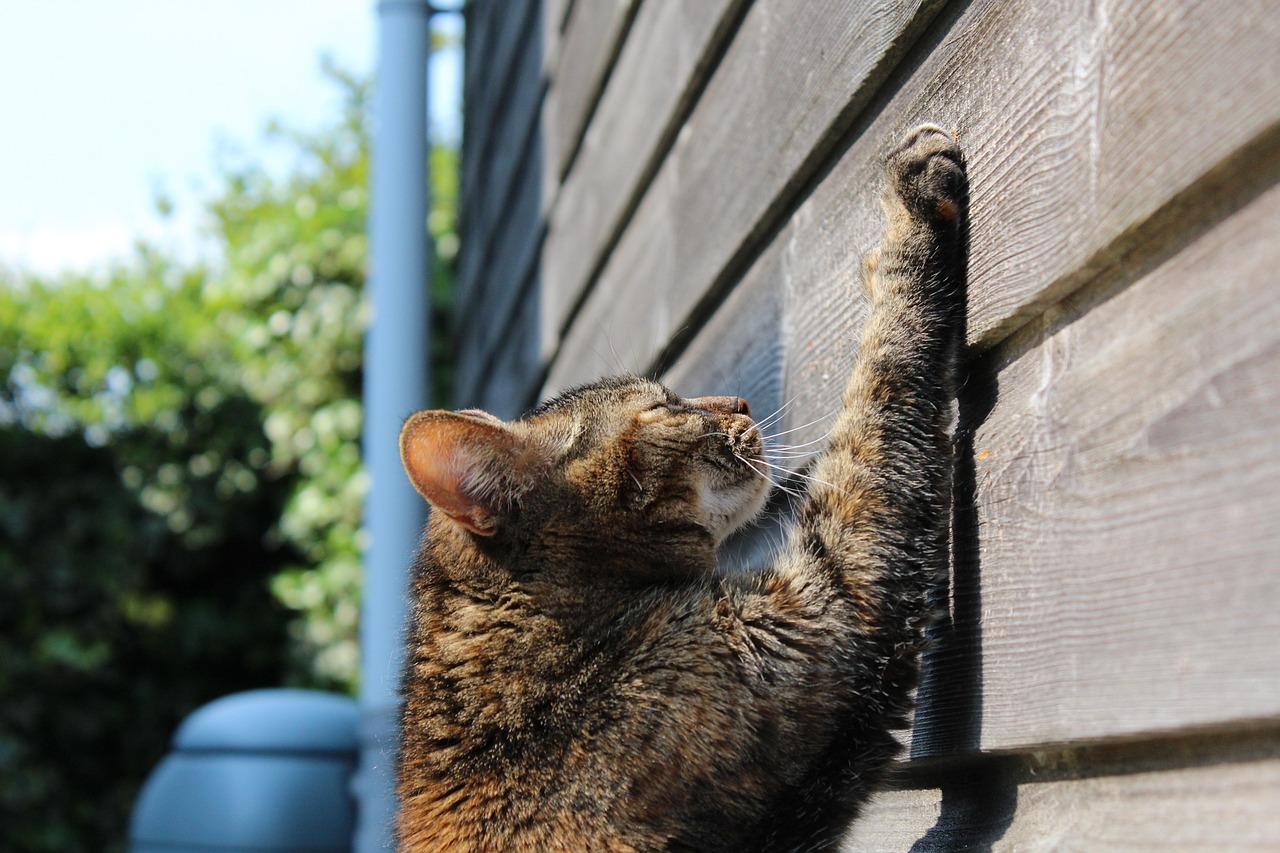

Caring for Cat Scratches in Children: Safety Tips
When cats scratch, it can be alarming, especially to children. As a kitty parent, it’s essential to teach kids how to interact safely with felines. Educating children on the proper way to approach and handle cats can prevent scratches and bites. Ensure they understand the cat’s body language, and that they shouldn’t disturb a cat that appears to be asleep or in a defensive posture. Safe interactions help foster a positive relationship between children and their feline companions. Always encourage gentle petting and avoid sudden movements that may scare the cat. Additionally, establish clear boundaries for your child and the cat during playtime, and supervise their interactions to make sure it remains safe for everyone involved. Actively engaging in play with appropriate toys can redirect a cat’s natural hunting instincts and prevent them from using kid’s hands or feet as play objects. Setting a good example helps children learn how to respect animals better. Remember, the goal is to foster harmonious relationships between kids and cats, which benefits both parties in multiple ways.
Despite preventive measures, scratches may happen. Knowing how to treat these injuries is vital. If a child gets scratched, the first step is to wash the wound immediately with soap and warm water to remove any dirt and bacteria. Rinse thoroughly to ensure all soap is removed. After rinsing, gently pat the area dry with a clean towel. Apply an antiseptic to prevent infection. It’s wise to use a bandage to cover the scratch to keep it clean. Depending on the severity, it may be essential to monitor the scratch for signs of infection, such as redness, swelling, or increased pain. If the wound appears to worsen or if you notice any unusual symptoms occurring, don’t hesitate to contact a healthcare professional. Teaching children about wound care can help them feel empowered and safe. Additionally, remind them of the importance of handwashing after interacting with pets. Reinforcing hygiene habits is essential for effective prevention of any potential infections stemming from animal encounters. Addressing cat scratches promptly can prevent complications and promote healing for your child.
Recognizing Signs of Cat Behavior
Understanding feline behavior is crucial for preventing scratches. Cats communicate using body language, which can inform you about their comfort level. Observing these signals allows for safer interactions. Signs of a relaxed cat include flattened ears and a calm tail. Conversely, a cat with ears back and a twitching tail might feel threatened. Teach children to respect these cues and to back off if a cat displays any warning signs. Encourage gentle bonding through calm behaviors, like offering a gentle hand for the cat to sniff. Explain that some cats prefer personal space, while others enjoy close contact. Fostering these communications can reduce anxiety for both cats and children. When all interactions commence positively, it significantly lowers the chances of scratch-related incidents. As a parent or caregiver, your role in guiding these interactions is vital. Reinforcing knowledge through practice promotes safe environments for your child and the pet. Get everyone involved, including siblings, in learning and discussing methods to interact positively. By making education engaging, you enhance child-catholder relationships significantly.
In playtime scenarios, particular attention should be paid. Children should use toys rather than their hands for play. Using a feather wand or string can keep a cat engaged without risking scratches or bites on human skin. Explain to children that targeting bright colors and fun textures encourages playful behaviors while keeping safety in mind. This approach fosters healthy play practices that allow children and pets to coexist happily. Use toy-based interactions to limit the risks of accidental scratches, while allowing a cat to express its hunting instincts. It’s crucial to emphasize that even the most social cats can occasionally scratch unexpectedly during play. When teaching children about interacting with pets, promote the idea of taking breaks if a cat seems overstimulated. Let them know how to recognize these moments and encourage them to set the toys aside or switch to a different activity. This consideration promotes understanding and compassion in young ones towards animals. Ensuring task management during playtime creates a secure and fun atmosphere for all, which highlights the positive side of the interaction.
Emergency Response to Serious Injuries
If a scratch penetrates deep, immediate first aid is essential. While treating minor scratches at home is vital, it’s crucial to know when to seek professional help. Severe scratches may require a doctor’s evaluation. Signs that necessitate a trip to the emergency room include bleeding that doesn’t stop, swelling, or extreme pain. In these cases, taking your child promptly to the clinic or urgent care clinic is crucial for further assessment. Medical professionals might offer advanced care, which could involve stitches or antibiotics. Always monitor your child’s health afterwards, as some injuries can lead to infections. In settings where a cat has multiple nails or has not had vaccinations updated, the risk of exposure to diseases like cat scratch fever increases, making rapid medical response essential. Additionally, educating children on seeking help for substantial injuries increases their safety. Creating an environment where children feel comfortable expressing their discomfort leads to quicker responses that protect their health. Empowering kids about proper responses ensures they learn to care for themselves better in interactions with pets.
Preventive measures are key in reducing injuries. Regular grooming and scratching post placements ensure proper outlets for cat behavior. With proper management of feline nails through regular clipping, the chance of a child receiving deep scratches is further minimized. Teach children about the benefits of grooming: it fosters a healthy bond between them and the cat. Discuss with them the importance of keeping the cat’s claws at a manageable length. Elaborate on how they can participate in this process, promoting feelings of connection and responsibility. Additionally, always ensure your home is equipped with safe spaces for your pet. Provide hiding spots or elevated areas where cats can retreat when they require relief from interaction. This setup allows them to choose when they feel comfortable engaging. Establishing such areas reduces stress on your pet while maintaining a secure environment for children. Always promote a shared understanding about respecting boundaries between pets and children. In this way, both human and feline companions can contribute to a peaceful household.
Final Thoughts on Cat Safety
Creating a safe atmosphere for both children and cats is achievable through education and consistency. Monitor interactions closely, ensuring kids understand how to approach animals carefully. Success lies in combining knowledge with practical application, allowing children to grow aware and considerate towards their feline friends. Combining fun educational activities with clear instructions enhances children’s understanding of animal behavior. Celebrate every positive interaction by encouraging kids to motivate cats towards comfortable engagement. Routine fun and informative sessions can foster awareness of both cat safety and care. Most importantly, know that cats can truly be incredible companions. Through your guidance, children can learn to respect their personalities while deeply enjoying their company. Putting these safety tips into practice shapes a harmonious bond that can last for years. Keep reiterating the importance of compassion towards pets and embed these practices into their daily lives. Cultivating this dialogue maintains excitement and nurtures a lasting relationship where cats and children thrive. Ultimately, effectively balancing excitement and safety ensures both children and their pets can coexist joyfully.