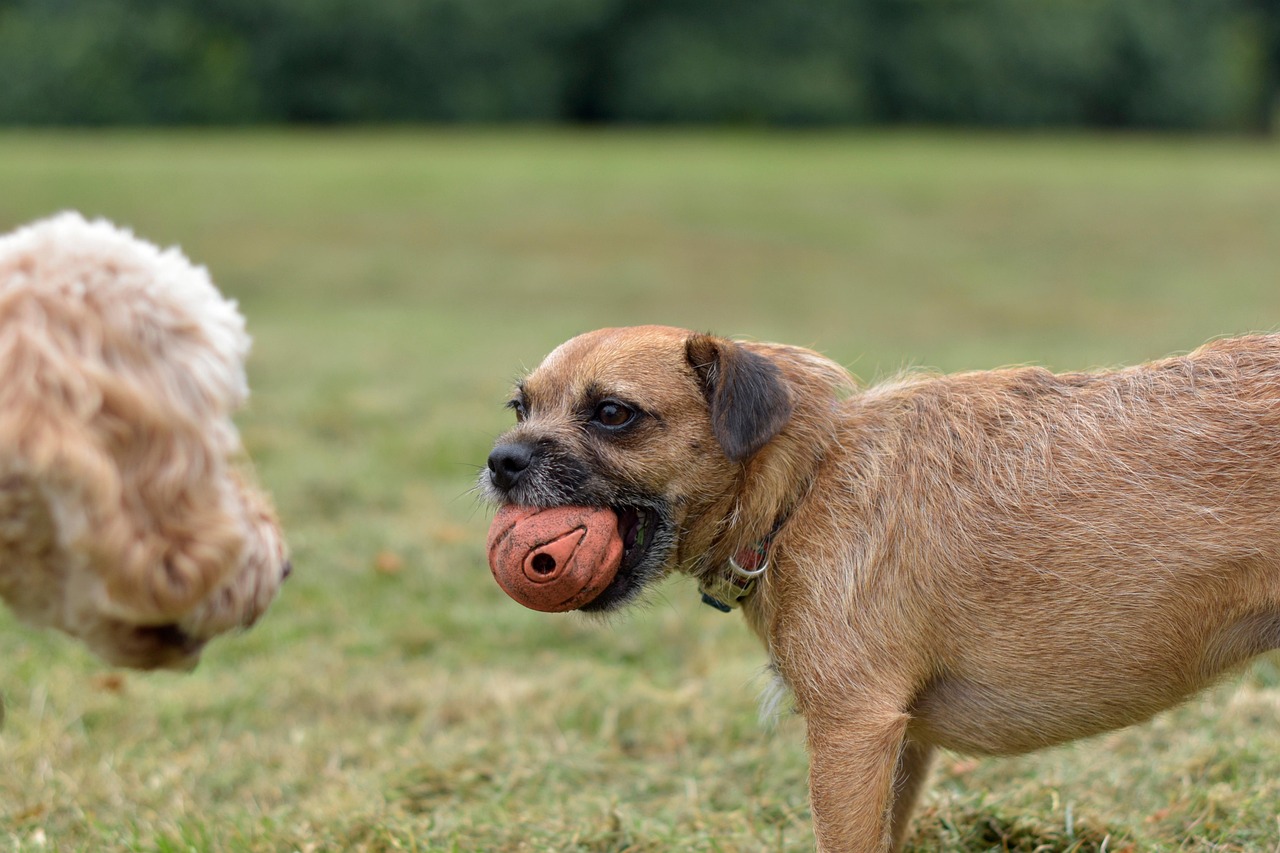

The Impact of Possessive Behavior on Dog-Human Relationships
Possessive behavior in dogs is often a complex issue that can significantly affect their relationships with humans. Understanding this behavior is crucial for dog owners to maintain healthy interactions with their pets. Possessive behavior can manifest in various forms, including growling, snapping, and aggressive posturing. These behaviors typically arise when dogs feel that their resources, such as toys, food, or even their owners, are threatened by another human or pet. While it’s normal for dogs to feel a sense of ownership over their possessions, extreme possessiveness can lead to severe behavioral problems. Owners must recognize the triggers of possessive behavior to effectively address them. For instance, when a dog guards its bowl during meal times, it may signal a deeper anxiety regarding resource scarcity. Training and behavioral modification techniques, such as positive reinforcement, can help dogs learn to share. It is essential to promote a sense of security in dogs to minimize guarding behavior. Seeking assistance from professional dog trainers or behaviorists may also help owners effectively manage their dog’s possessiveness and improve overall canine-human dynamics.
Understanding the Origins of Possessive Behavior
The origins of possessive behavior in dogs often relate to their natural instincts and past experiences. Dogs are descendants of wolves, and their ancestors had to compete for resources to survive. This instinct can manifest in household pets, leading them to exhibit possessive traits. Factors such as early socialization and individual temperament also contribute to possessive behavior development. If dogs were not adequately socialized as puppies, they may grow up fearing the loss of their possessions, prompting aggressive behavior when someone approaches. Furthermore, experiences that reinforce fears, such as harsh training methods or negative encounters with other dogs, can exacerbate possessiveness. It is essential for dog owners to understand that possessive behavior typically stems from a need for security rather than inherent aggression. Awareness of this behavior helps owners approach the situation with empathy rather than punishment. Positive reinforcement training promotes trust and can alleviate possessive tendencies over time. Additionally, desensitizing dogs to the presence of other pets or people around their resources can foster a more relaxed demeanor. Understanding the roots of these behaviors assists in developing effective management strategies.
When striving to modify possessive behavior, employing consistent training techniques is critical. Positive reinforcement is a particularly effective method in encouraging desired behaviors. Using treats, praise, and affection when a dog allows close proximity to their belongings can help redirect possessiveness. The right training plan often starts by teaching “leave it” and “drop it” commands, fostering a sense of relaxation around resources. Another beneficial approach is gradually introducing controlled situations where the dog must share its toys or food without showing aggression. Dog owners can place themselves in the dog’s position, helping them understand the importance of resource allocation and sharing. Ensuring that the dog has enough mentally and physically stimulating activities can further help divert attention from possessiveness. Toys that engage dogs mentally can reduce boredom and anxiety, limiting guarding behaviors. Encouraging playdates with well-socialized dogs can also teach sharing. Gradually fostering a positive atmosphere around resources promotes a healthy bond between dogs and their owners. Consistency throughout this training reinforces the dog’s trust in the owner, which is vital for overcoming possessive tendencies.
How Possessive Behavior Affects Human Interaction
The presence of possessive behavior can complicate interactions between dogs and their human companions. When a dog exhibits possessive aggression, it can create a cycle of tension and fear within the home. Owners may feel apprehensive about approaching their pets or attempting to take away objects they deem possessive. This hesitancy can lead to a breakdown in communication between pets and their families, ultimately damaging the bond they share. Moreover, if possessive behavior escalates unchecked, it may pose a significant risk to other pets or visitors. Addressing these behaviors early on is crucial for cultivating healthy interactions. Dogs that display possessiveness may not only guard items but might also become defensive around their direct family members. It’s vital for owners to learn to recognize early signs of possessiveness, such as stiff body language or low growls when an object is approached. A proactive approach by educating family members about the signs of possessiveness can go a long way in ensuring safer interactions. Creating a nurturing environment that promotes trust can diminish worries and foster a stronger human-dog relationship.
It’s essential to note that while possessive behavior can be challenging, it’s not unmanageable. Owners must remain patient during the modification process, as behavioral changes take time and consistency. Maintaining a calm demeanor during training will reflect positively on the dog’s behavior as they often mirror their owner’s energy. Avoiding confrontational methods and punitive measures ensures that the dog doesn’t feel threatened, thereby reducing anxiety. Instead, fostering moments of shared experiences, like playing together or training sessions, can deepen mutual affection and understanding. Additionally, owners should consider engaging in group training classes, as socializing with other dogs can significantly reduce possessive tendencies. In these environments, dogs learn that sharing and cooperative play yield positive outcomes. Hiring a professional trainer with experience in possessive behaviors can provide tailored guidance and effective strategies. It’s important to create a long-term plan tailored to individual needs and breed characteristics. Ongoing support and guidance from experts ensure that owners have the resources and tools necessary to help their dogs succeed.
Preventing Possessive Behavior in Puppies
Preventing possessive behavior before it develops is an important goal for new puppy owners. Early socialization is crucial in helping young dogs learn how to interact with people and other dogs positively. Exposing puppies to various environments, sounds, and situations will improve their confidence and reduce the likelihood of possessiveness. Engaging in interactive playtime using a variety of toys will also teach puppies to share and develop social skills. Simple exercises, such as taking turns or playing fetch, can foster a sense of sharing from an early age. Additionally, implementing a consistent routine for feeding and playtime can help manage resources effectively. Establishing boundaries, like teaching commands such as “leave it” or “share,” reinforces appropriate behavior. Building a strong relationship based on trust between the puppy and the owner creates a foundation for healthy interactions. Puppy training classes can further facilitate socialization experiences with other canines while reinforcing obedience. An early investment in training and education creates well-rounded dogs well-equipped to navigate their environments without aggressive possessive tendencies.
In conclusion, addressing and understanding possessive behavior in dogs is vital for nurturing a positive human-dog relationship. While possessive behavior can initially seem daunting, recognizing its origins and developing effective management strategies can lead to significant improvements. Through patient training, positive reinforcement, and consistent boundaries, owners can alleviate aggressive tendencies stemming from possessiveness. The positive relationship owners cultivate during this process enhances mutual trust, promoting a happier home environment. Ultimately, addressing possessiveness is not solely about correcting unwanted behaviors but also about understanding a dog’s needs and promoting overall well-being. The journey of modifying possessive behavior often reinforces the bond between a dog and its owner, leading to a more harmonious life together. Encouraging owners to seek guidance from professional trainers and engage in socialization opportunities can create lasting changes. As dogs learn to feel secure without relying on possessiveness, they contribute positively to family units. Therefore, proactively managing possessive behavior not only enriches the life of the dog but also enhances the experiences of the entire family unit, resulting in cherished memories.