
The Role of Nutrition in Supporting Your Dog’s Exercise Regimen
Understanding your dog’s exercise is essential for maintaining their health. Tracking your dog’s activity can ensure they stay fit and well. It’s important to note that various factors impact how well your dog is exercising, including age, breed, and overall health. Keeping track of exercise habits can be facilitated by using technology such as fitness trackers for dogs. These devices monitor steps, heart rate, and calories burned. Dog owners should also observe behavioral changes that indicate their level of exercise. For example, do they seem overly energetic or lethargic? Keeping a log can motivate both you and your dog to reach fitness goals. Additionally, social interactions with other dogs can make exercise more enjoyable. Engaging in play or joining dog parks can enhance physical activity. You should consider adjusting your dog’s routine periodically to prevent boredom and maintain motivation. In summary, tracking your dog’s exercise is crucial for their well-being, and it enables you to adapt their regimen for the best results. Make use of trackers, logs, and social activities for an active lifestyle.
The Importance of Balanced Nutrition
When tracking your dog’s exercise progress, nutrition plays a key role. A well-balanced diet fuels your dog for their exercise regimen, ensuring optimal performance. It supports muscle recovery and weight management, helping to prevent obesity or weight-related issues. Choosing high-quality dog food is important; ingredients matter in how healthy your dog’s diet is. Look for proteins, carbohydrates, and healthy fats that cater to your dog’s specific needs, considering factors such as age and activity level. Supplements may also be beneficial, especially for active dogs. Essential fatty acids help improve coat quality and reduce inflammation from intense physical activities. Always consult with a veterinarian before introducing new foods or supplements into your dog’s diet. Additionally, managing portion sizes is crucial, as overly generous servings can lead to weight gain. Use controlled feeding practices to keep your dog at an ideal weight. Remember that hydration is equally important; always have fresh water available, especially during and after exercise. Proper nutrition, combined with adequate exercise, creates a strong foundation for your dog’s health and overall well-being throughout their life.
Monitoring Weight and Body Condition
As part of tracking your dog’s exercise progress, monitoring their weight and body condition is vital. Regular weigh-ins help you determine if your dog is maintaining a healthy weight. A healthy weight varies based on breed, age, and size, which brings us to body condition scoring. This scoring system is a great tool for evaluating your dog’s overall fitness. You should be able to feel your dog’s ribs without excess fat covering, and they should have a defined waist. Checking their condition monthly can help identify any weight gain or loss problems early. Adjust exercise or diet accordingly to address any issues as they arise. Dogs that are sedentary can easily gain extra pounds, potentially leading to health problems. Compare their progress over time to see trends in weight or condition changes, which can indicate how effective your approach is working. Keeping a consistent schedule for feeding and exercising helps maintain a balanced lifestyle. Utilize these evaluations to craft a tailored exercise regimen that suits your dog’s needs perfectly, allowing them to lead a happier, healthier life.
Properly managing your dog’s nutrition and exercise can significantly affect their overall fitness. Beyond tracking physical activity, being attentive to their diet can enhance their exercise progress. Choosing nutritious snacks or meal modifications can provide an extra energy boost. Consider incorporating fruits, vegetables, and lean proteins into their diet. You want to ensure these choices are safe for dogs; some human foods can be harmful. Healthy treats can also serve as rewards during training sessions, reinforcing positive behaviors while encouraging more activity. A well-fed dog shows increased stamina and motivation during workouts. Alternatively, avoid high-calorie snacks that may lead to unhealthy weight gain. Monitoring caloric intake is just as crucial as promoting activity. Training your dog might also include learning new tricks, and this type of mental stimulation contributes to their overall happiness. Exercise is not limited to just physical activity; it can include mental engagement as well. In this way, diet and exercise go hand in hand to improve your dog’s overall quality of life. Invest time into understanding their needs, ensuring both aspects work together harmoniously for the best results.
Engaging in Varied Activities
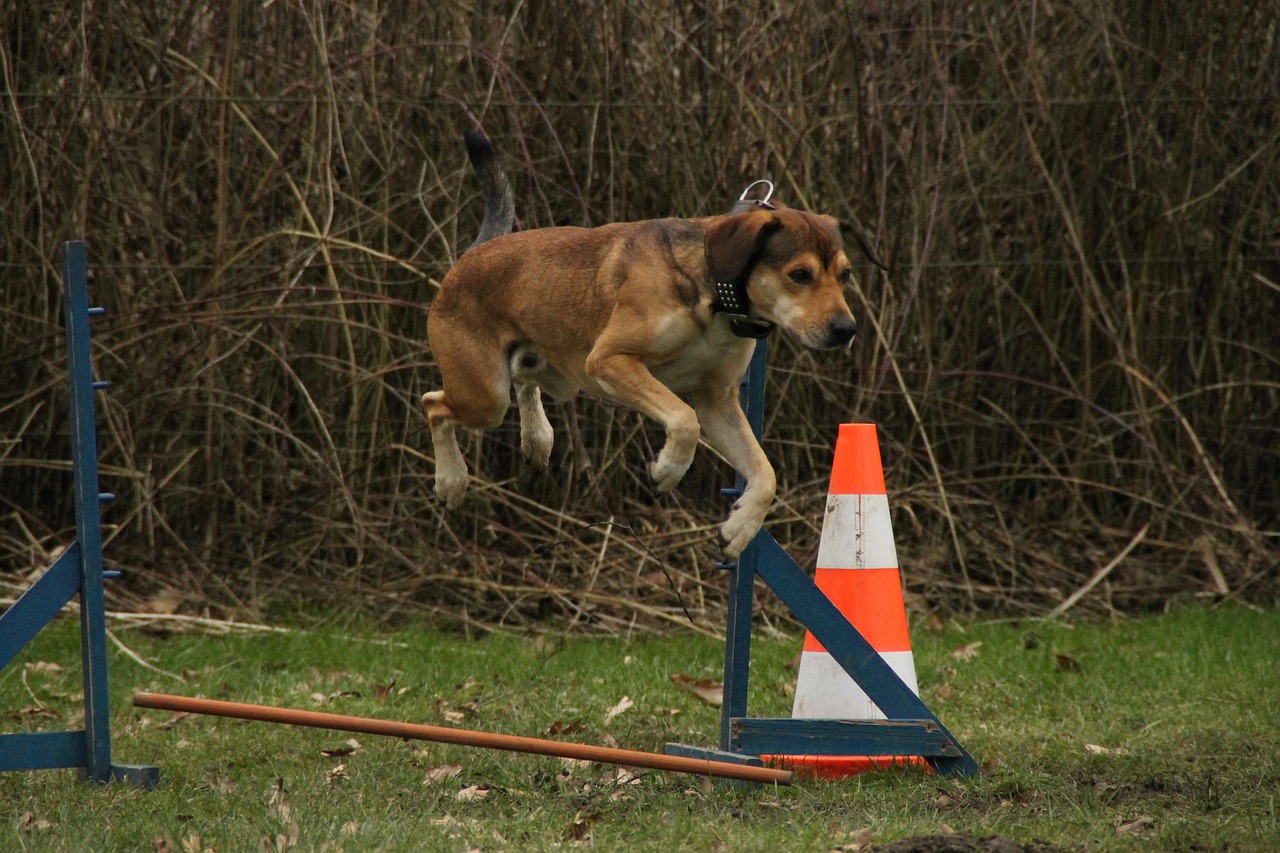
To track your dog’s progress effectively, engaging them in various activities can keep things interesting. Dogs, like humans, thrive on a mix of exercises that challenge them physically and mentally. Consider alternating running, walking, and playing fetch, while also incorporating activities like agility training. This keeps your dog stimulated and helps improve their overall fitness. Regularly changing your routine prevents boredom and helps keep them motivated to exercise. Mixing in social playdates or participating in dog sports can also enhance the benefits of exercise. Each activity can contribute differently to your dog’s muscle development and endurance, making your schedule rich and fulfilling. Observe how your dog responds to different activities. Some may excel in agility courses, while others may enjoy swimming or hiking. Tailoring activities to their preferences makes exercising feel less obligatory and more enjoyable. Always pay attention to their energy levels and adjust based on how they react to each workout. A varied routine can also improve behavioral issues by expending their energy in a positive manner. Track your dog’s improvements to see what activities yield the best results.
Staying consistent with routine adjustments and tracking is essential for positive results. Dogs thrive when they have a steady schedule that provides predictability in their lives. However, evaluating that schedule is equally important to ensure it meets their evolving needs. Consider seasonal changes; altering exercise types can be beneficial for both weather and your dog’s preferences. For instance, swimming could be an excellent summertime option, while brisk walks may be better in cooler months. Observing your dog’s behavior during exercise can indicate if they are enjoying the activities or need something different. Always take their physical condition into account; older dogs may require gentler exercises, whereas younger dogs might have more energy to expend. Sometimes, engaging a professional dog trainer can offer new perspectives and techniques. They can assist in enhancing the bond between you and your dog while making exercise routines more structured. Logging progress, such as distance, time, or skills learned, can provide insights on areas for improvement and encourage you both. Celebrating milestones can also motivate both owner and pet to strive for continued success together.
Conclusion on Tracking Exercise Progress
In conclusion, tracking your dog’s exercise progress is vital for ensuring their overall health and happiness. Combining nutrition, varied activities, consistent training, and monitoring ability can create a comprehensive fitness routine. Results may not appear immediately, but remaining committed to this journey produces long-term benefits. As you track your dog’s development, both of you can build a rewarding relationship based on health and wellness. Always remember to adapt based on their age, breed, and specific needs; there is no one size fits all in dog care. Explore new activities while keeping a structured framework to support their progression. With patience and love, you can foster an environment where your dog thrives. Keep an eye on their nutritional habits and combine it with regular check-ups. Engaging in varying activities not only stimulates your pet but strengthens your bond. Be motivated to excel together, so that exercise becomes an enjoyable aspect of daily life. Ultimately, successful management of your dog’s fitness requires diligence, creativity, and dedication, resulting in a happier, healthier companion.
Tracking your dog’s exercise progress is integral. This commitment not only benefits their physical health but enhances your bond. Spend quality time understanding your dog’s preferences and engaging them in varied activities. Simultaneously, be aware of their nutritional needs. Food choices significantly impact their energy levels and desire to engage in exercise. Regular check-ins can inform you about their condition, ensuring adjustments can be made in diet or activities. Remember, your dog’s enthusiasm during playtime can indicate their happiness and health. So track this progress diligently, and celebrate positive changes in their behavior and attitude. Such an approach strengthens your relationship while prioritizing their well-being.