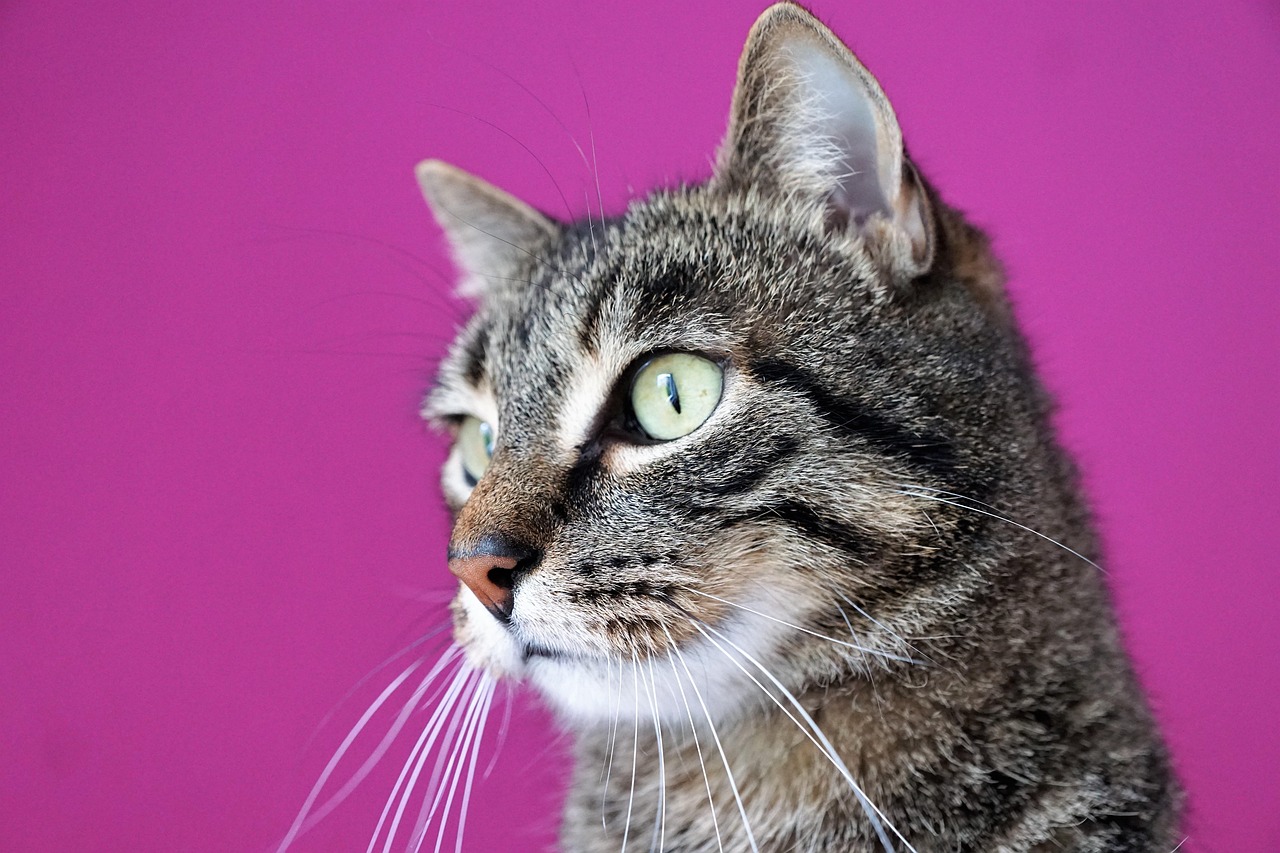

Changes in Vocal Tone as a Sign of Cat Stress
Vocalization is a significant form of communication for cats, and observing changes in their vocal tone can provide crucial insights into their emotional well-being. Cats naturally produce various sounds, such as meows, purrs, and growls, each serving distinct purposes. When a cat’s vocal patterns exhibit noticeable shifts, it may indicate the presence of stress or anxiety. For instance, a cat that generally meows softly may start to make louder, more aggressive sounds. Such alterations in vocalization can be triggered by numerous environmental factors or changes in routine.
In identifying changes in vocal tone as a sign of stress, owners need to pay close attention to context. Reasons for these vocal changes can include feeling threatened, changes in their living environment, or illness. A stressed cat might also vocalize more frequently than usual, indicating a desperate need for attention or relief from discomfort. Additionally, if a previously silent cat begins to vocalize excessively, it is crucial to investigate potential stressors affecting its emotional state. Owners can create a calmer space to help mitigate anxiety.
Observing a cat’s body language alongside vocalization changes is essential. Stress might manifest through signs like flattened ears, twitching tails, or dilated pupils, portraying their discomfort or anxiety. In such scenarios, vocalizations may become louder or higher pitched. Understanding the integration of vocal tone and body language allows owners to interpret their cat’s needs accurately. It helps them realize if they should take action, such as removing a perceived threat or providing comfort. Cats may also vocalize to express excitement or frustration, so maintaining awareness is crucial.
Environmental Stressors Affecting Vocal Behavior
Certain environmental factors can dramatically influence a cat’s vocal behavior and overall stress levels. Significant changes, such as relocating to a new home, the arrival of a new pet, or even renovations, can lead to increased vocalization as the cat expresses its discomfort. Cats are sensitive creatures that thrive on routine, and disruptions can prompt them to vocalize more pronouncedly. Additionally, external noises, such as loud machinery or thunder, might also induce stress, prompting an alteration in vocal tone and frequency.
Another aspect contributing to vocalization changes is social dynamics among multiple pets in the household. Cats may feel the need to assert themselves vocally, especially if they’re competing for resources or attention. In cases where a dominant cat uses vocalization to establish hierarchy or control, stressed cats might respond with increased vocalization patterns of distress. Owners should observe interactions among pets closely to assess whether social hierarchies are affecting their vocal behaviors and overall well-being. This understanding can guide owners in maintaining harmony.
Seeking Veterinary Advice
If changes in vocal tone persist, it’s invaluable to seek veterinary advice. A sudden increase in vocalization can sometimes be associated with health issues like hyperthyroidism or pain. A vet can conduct a thorough examination to rule out any underlying medical conditions contributing to behavioral changes. It’s crucial for cat owners to understand that a vocal change isn’t just an emotional response; it might indicate a deeper health concern. Taking action quickly can ensure the cat receives prompt treatment if necessary.
Moreover, addressing the behavioral aspect is equally essential. Behavioral modification strategies can help reduce stress and anxiety levels, leading to decreased vocalization. Employing techniques such as natural calming products or behavioral training can be beneficial. Transitioning to providing a safe, stress-free environment allows cats to flourish. Enrichment activities, such as interactive play or puzzle feeders, also contribute positively to a cat’s mental stimulation, potentially reducing negative vocalizations. Cats can better adapt, leading to improved emotional health.
In conclusion, tracking changes in vocal tone is a vital aspect of understanding cat behavior, especially in stressful circumstances. Changes can alert cat owners to potential issues or the need for intervention. Addressing environmental stressors, ensuring veterinary checks, and employing behavioral guidance fosters a healthier emotional state for cats. Observing and interpreting their vocalizations provides significant insights into their needs. Ultimately, creating a comfortable environment and promoting overall well-being should remain a priority for all cat owners.