
Step-by-Step Guide to Socializing Kittens
Socializing kittens is essential for their development into well-adjusted adults. Early socialization can greatly influence a cat’s behavior toward humans and other animals. Start by introducing your kitten to various environments and sounds. Use a calm voice to reassure them when encountering new stimuli, ensuring experiences are positive. Encouraging brief interactions with people or gentle pets can help them acclimate. Begin social interactions at home, where they feel safe, introducing visitors one at a time. Provide treats and toys to create enjoyable experiences and build trust. Avoid overwhelming them, as this can lead to stress. Monitor your kitten’s body language closely; if they seem frightened or anxious, take a step back and reassess the situation. Consistency is important. Gradually increase exposure over time, using gentle encouragement. Involve family members in the bonding process, ensuring everyone participates. Lastly, consider incorporating playtime into these interactions, making socialization a fun, enriching time. Each positive experience enhances their confidence. Reinforce desired behaviors with rewards to deepen their trust. The goal is to make interactions feel secure and pleasurable, contributing to the kitten’s overall happiness. Effective socialization lays a strong foundation for future experiences.
As you progress, expand your kitten’s social circles. Ensure that experiences are gradual, providing them with a supportive environment. Socializing with other pets can be beneficial but proceed cautiously, especially with older cats. Remove potential stressors and always supervise interactions. Observe their responses, allowing them time to adjust. If tensions arise, separate them and reintroduce later with lower intensity. Using a secure carrier can also help during initial introductions. Bring home a safe chew toy or blanket from a friend’s pet to familiarize them with scents. Additionally, it can promote positive associations with unfamiliar animals. At this stage, focus on positive reinforcement. Offer rewards when your kitten explores without fear, building confidence over time. Structures such as a multi-level cat tree can also serve as a safe haven, providing your kitten with observation points to survey their surroundings comfortably. Use this opportunity to teach them basic commands. Responding positively will enhance your bond and improve their training. Remember that this process takes time. Feel free to consult a veterinarian for guidance or potential behavioral issues if necessary. Gradually broadening environments fosters adaptability, paving the way for a healthy, social cat.
Understanding your kitten’s temperament is key to effective socialization. Each kitten is unique, and personalities can vary greatly. Pay attention to their reactions to different environments and situations. Some may be more curious while others might show signs of shyness. Tailor your approach accordingly. Use a calm, reassuring tone during training sessions. Create a consistent routine, as predictability alleviates stress for kittens. Teaching simple commands rewards positive behavior while fostering cooperation. Positive reinforcement remains essential; utilize treats or praise effectively when introducing new experiences. Gradual exposure to different environments can desensitize them to unexplored areas. Consider taking walks, using a leash or allowing open space. This encourages exploration while prioritizing safety. If your kitten demonstrates fear, do not force interactions; instead, allow them to approach at their pace. Always create a ‘safe space’ where they can retreat. Maintaining regular play sessions also aids in developing social skills amidst new experiences. Using engaging toys will harness their enthusiasm while making encounters enjoyable. Create a balance between socialization and personal time, where they can recharge. Remember to enjoy this phase; it’s not just about learning but creating lasting bonds filled with love and understanding.
Understanding the Importance of Playtime
Incorporating playtime into your kitten’s routine is vital to successful socialization. Not only does it provide physical exercise, but it also develops problem-solving abilities and confidence. Select interactive toys that stimulate their natural hunting instincts. Feather wands or laser pointers encourage movement while fostering engagement. Allowing playful challenges helps them bond with you, promoting trust and security in your relationship. Establish regular playtimes, ideally lasting about 15-30 minutes, to give the kitten time for exploration, fun, and interaction. Importantly, you can introduce puzzle toys to keep their minds sharp while extending play. As they solve challenges, provide encouragement through affectionate words or treats. Socializing through games can also involve other family members or pets, ensuring everyone participates. Varying play types keeps the experience fresh and helps them learn to explore independently. Introducing soft toys simulates companionship, offering comfort during solitary moments. This familiarity is essential when their environment changes. Gradual exposure through playtime enhances emotional resilience, significantly influencing their ability to adapt later in life. As you develop a routine, this contributes to their overall behavior. Emphasizing varied interactions will strengthen their social skills and prepare them for a vibrant relationship with you.
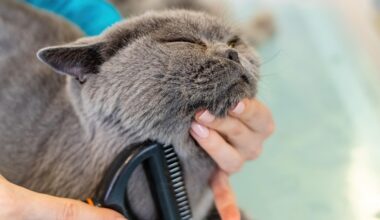
Another important aspect of socialization is ensuring your kitten develops good manners. Acknowledging acceptable behavior can reinforce trust and security. Training sessions can facilitate this growth; integrate basic commands as part of their routine. Use a clicker or verbal praise when they exhibit desired behaviors. Reinforcing good manners promotes consistency, vital for a well-adjusted cat. Incorporate gentle touch during socialization to help them feel more comfortable with handling. Gradually acclimate them to being held, stroked, and examined to prepare for future vet visits. Early experiences with being handled will lead to a less stressful vet experience as they grow. Teaching them to tolerate nail trimming or grooming from a young age also alleviates potential future stress. Regular grooming helps maintain coat health and builds a trusting connection, contributing to their overall well-being. Utilize positive reinforcement during these sessions to associate grooming with positive outcomes. Consistency breeds familiarity, making these experiences normal over time. Creating enjoyable associations through rewards while maintaining control increases their comfort. Accustoming your kitten to close contact and care from a young age significantly influences their ability to adapt in various environments later in life. Focused efforts yield gratifying outcomes.
Monitoring Stress Levels
While socialization is essential, it’s crucial to monitor your kitten’s stress levels closely. Recognizing signs of anxiety or fear can help you adjust your approach accordingly. Common indicators include hiding, excessive vocalization, or aggressive behavior. If signs of stress become evident, scale back the socialization process. Allow them time to acclimate gradually, reinforcing safe spaces where they feel secure. Incorporating calming techniques, such as soft music or pheromone diffusers, can ease anxiety. Offering a cozy space with familiar toys or a blanket may also promote relaxation. Pay attention to their body language; ears flattened backward, tail tightly tucked, or dilated pupils indicate discomfort. In such cases, give your kitten a break, ensuring they have a quiet, comfortable area rife with familiar scents. When they seem relaxed again, gradually reintroduce them to new experiences. Remember, socialization should always be a positive experience. Allow them choices about their interactions; don’t pressure them into unwanted situations. As you continue with socialization, aim for a loving atmosphere that encourages exploration and trust. Acknowledging their limits nurtures a healthy, adaptable personality in adulthood, enhancing ongoing interactions and creating a lifelong bond.
Finally, maintaining ongoing socialization is crucial even beyond the initial phases. Kittens grow rapidly, and their experiences dictate their behavior moving forward. Socialization isn’t a one-time event; it requires continuous engagement with various environments, people, and animals. Consider new experiences as they grow, adapting interactions to their development stage. Remind family members to be consistent and gentle during interactions, emphasizing patience. Attending kitten classes can offer structured opportunities to interact with other kittens in a safe environment. These encounters are essential for mutual learning and grow confidence. Regularly introducing novel situations will develop resilience as they adapt. Participating in community events is another fun way to expose your kitten to a variety of environments, further enriching their experiences. A positive, ongoing relationship fosters attachment and security. As your kitten matures, monitor changes in behavior, addressing any concerns before they escalate. Maintaining an open line of communication with your veterinarian can provide valuable insights into your kitten’s growth and development. An engaged, well-socialized cat enjoys a fulfilling life, contributing to stronger bonds with surrounding humans and pets. Prioritize these ongoing efforts, creating a happy, confident adult cat capable of thriving in various situations.