
Managing Waste and Sanitation in Cat Grooming Facilities
In any cat grooming facility, effective waste management and sanitation practices are crucial. These operations not only promote the health and safety of the cats but also foster a hygienic environment. When dealing with waste from grooming activities, it is essential to have appropriate waste disposal systems in place. Regularly scheduled waste removal processes, including the cleaning of litter boxes, hair clippings, and any used grooming tools, ensure that the facility remains clean. Staff must be trained to view sanitation as a priority, routinely cleaning surfaces and equipment. Breeding grounds for harmful bacteria or parasites arise from neglecting cleanliness. Contaminated grooming tools, towels, and surfaces might pose health risks to the cats. It is imperative to implement a structured cleaning schedule that encompasses daily, weekly, and monthly tasks to maintain optimal hygiene levels. Additionally, the use of disinfectants specifically designed for pet facilities can dramatically reduce disease transmission risk. Compliance with local health regulations plays a significant role in maintaining sanitation. Regular audits and inspections can help identify areas needing improvement and ensure that the facility meets required standards.
Another vital aspect of managing waste in cat grooming involves the proper handling of grooming waste products. Grooming typically generates a considerable amount of organic waste, especially as cat fur is collected. To simplify the collection and disposal, designated containers or bins provide an organized method for sorting waste effectively. Implementing a waste sorting system, including separate bins for fur, used grooming supplies, and general waste will streamline disposal. These bins should be clearly labeled according to the type of waste for easy identification. Furthermore, educating staff about waste segregation practices is essential to improving sanitation. Not only does this approach enhance facility cleanliness, but it also promotes environmental sustainability by enabling recycling efforts. Once bins reach capacity, it’s crucial to follow local guidelines for disposal, be it incineration or landfill. Regularly checking bin status helps in maintaining a tidy grooming area, reducing odor build-up. In addition, the presence of foot mats or booties encourages cleanliness by keeping debris from spreading in other areas. This comprehensive approach positively impacts both the cats’ grooming experience and the overall efficiency of the facility.
Implementing Sanitation Protocols
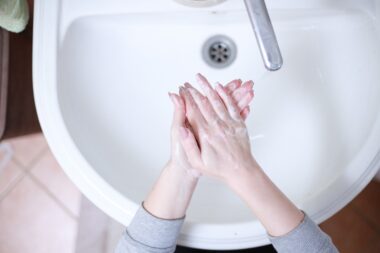
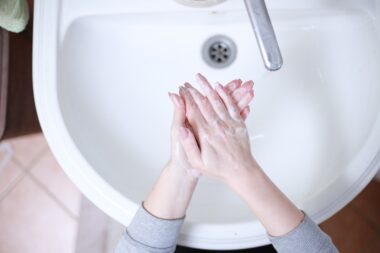
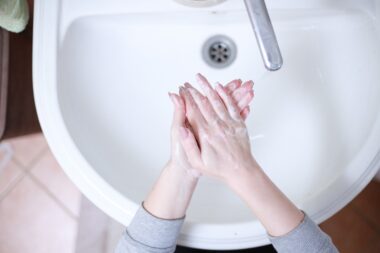
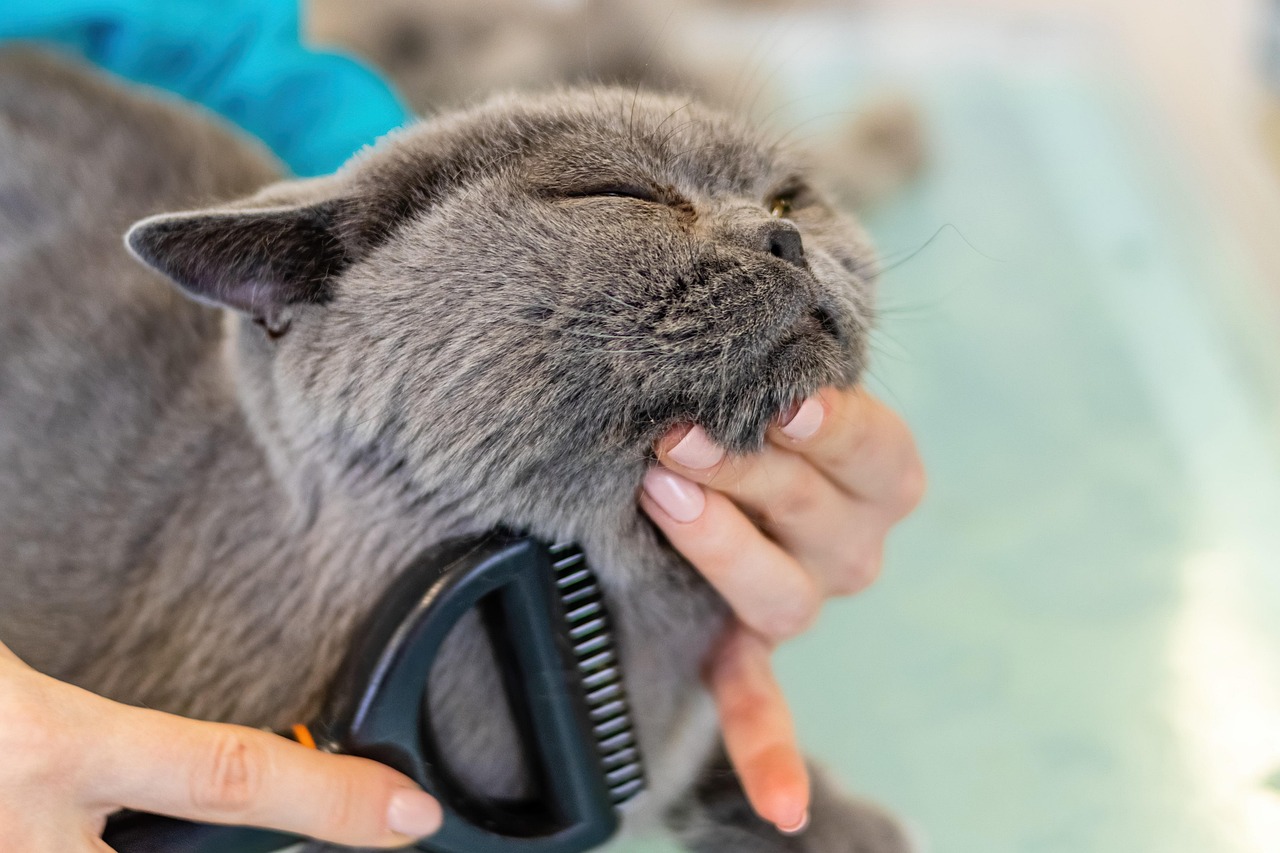
Implementing sanitation protocols in cat grooming facilities is paramount for feline welfare. Cats are susceptible to various diseases, making cleanliness an essential focus for grooming businesses. Establishing a standardized cleaning schedule aids in ensuring that all surfaces and tools are disinfected adequately. Staff members should be trained on how to use cleaning agents safely and effectively, particularly with regard to grooming tools. Using disposable or single-use items reduces the risk of cross-contamination. Grooming brushes and combs must be cleaned using an appropriate disinfectant after each use to eliminate any dormant germs. Additionally, complex equipment such as clippers requires specific cleaning procedures since they can harbor bacteria. It’s advisable to develop a simple checklist for staff to follow, covering key areas of sanitation. Regular audits keep the staff accountable and ensure that sanitation standards are met. Furthermore, implementing automated hand sanitizers offers a convenient way for staff to maintain hygiene before and after handling cats. The benefits of a safe and clean environment extend beyond mere aesthetics, fostering health and relaxation amongst the cats being groomed.
Equally important is the maintenance of air quality within grooming facilities. Proper ventilation systems are necessary to mitigate odors and circulate fresh air, creating a more pleasant environment for both cats and groomers. Installing air filters capable of capturing allergens will further enhance air quality, providing a healthier indoor atmosphere. Too often, residual smells from grooming sessions can linger, potentially stressing the cats and unsettling clients. The incorporation of indoor plants can also improve air quality while contributing to a calming environment. Being proactive about ventilation and air purification should be a top consideration for business owners. In addition, grooming stations must be equipped with essential supplies, including disposable wipes and cleaning solutions. Quick access to hygiene supplies keeps the grooming area tidy and minimizes cross-contamination risks. Staff should consistently wipe down grooming tables between appointments, ensuring a clean surface for the next cat. Establishing a habit of cleanliness within each grooming session fosters professionalism and instills confidence in pet owners. Implementing these practices ensures that sanitation standards consistently meet or exceed expectations.
Engaging Clients in Sanitation Awareness
Engaging clients in sanitation awareness is an often-overlooked yet vital aspect of maintaining cleanliness in cat grooming facilities. Educating clients on sanitation practices highlights the importance of hygiene not just for grooming but also in their homes. Grooming businesses can share information on the significance of regular grooming in reducing shedding and maintaining overall cat health. Promotional materials or informative brochures can outline the sanitation protocols followed within the facility. These can include details related to the cleaning of grooming tools, the method of waste disposal, and staff hygiene practices. Social media can also be leveraged to raise awareness, showcasing behind-the-scenes sanitation efforts. Inviting clients to ask questions demonstrates transparency and builds trust. Additionally, creating educational workshops or handouts on grooming at home can engage clients further in the importance of cleanliness. Encouraging frequent grooming appointments can also promote healthy habits among clients. When potential clients recognize the high standards maintained in a facility, they are more likely to choose it for their cat grooming needs. This engagement creates a positive feedback loop, strengthening client relationships while enhancing the status of the grooming facility.
Maintaining sanitation is a continuous commitment for cat grooming facilities. It involves periodic reviews of cleaning protocols and updates to regulations. As best practices evolve, grooming businesses must adapt to new guidelines and recommendations. Adopting eco-friendly cleaning agents can contribute positively to the environment while complying with health standards. Emphasizing continuous education ensures that staff remains informed of the latest sanitation practices. Tools like webinars and workshops can serve as excellent resources for learning. Additionally, engaging staff in discussions about sanitation can spark innovative ideas and improvements within the facility. Onsite team meetings focusing on sanitation themes can lead to actionable changes that enhance overall practices. Implementing a reward system for staff who consistently uphold sanitation protocols results in higher motivation levels and accountability. This system encourages a culture of cleanliness, making sanitation a shared value among the whole team. The effort expended on sanitation directly correlates with positive client feedback and repeat business. Ultimately, creating and maintaining a high level of hygiene will resonate throughout the operations, establishing a respected grooming facility within the community.
Conclusion: Importance of Waste Management and Sanitation
In conclusion, effective waste management and sanitation are essential for success in cat grooming facilities. Implementing structured cleaning schedules, educating clients and staff alike, and maintaining air quality collectively contribute to a safe grooming environment. Addressing unique challenges in waste handling can improve facility operations and overall client satisfaction. The point is that a clean facility reflects professionalism and fosters client trust. Beyond aesthetics, prioritizing sanitation safeguards the health of the cats and their owners. Grooming facilities should continually adapt to new insights into sanitation practices, making adjustments as necessary to align with best practices. Regular training sessions keep staff updated on sanitation protocols, reinforcing the importance of cleanliness. Furthermore, promoting eco-conscious cleaning methods can enhance the reputation of the grooming business. Continuous improvement in sanitation practices can lead to increased business growth and expanded clientele. Ultimately, cat grooming facilities that prioritize waste management and cleanliness create a welcoming atmosphere that encourages regular visits from pet owners. The future of cat grooming is not only about appearance but also about a safe, clean, and healthy environment.
In summary, the overall goal of these sanitation protocols is simple: to enhance the welfare of cats while promoting a professional grooming experience. Understanding the importance of waste management processes ensures a well-regulated environment for customers and their pets. Maintaining a clean grooming space is a commitment that grooming facilities must integrate into their routine operations with diligence. The implementation of best practices composes the foundation of a successful grooming business. For clients, observing the level of cleanliness can influence their decision to return, as well as recommend the facility to others. Creating an organized approach to sanitation fosters trust and supports the health of cats in the facility. This commitment to hygiene reassures pet owners of their pets’ safety and well-being. The unique nature of cat grooming requires attention to detail, significantly in the context of waste management. By establishing clear cleaning protocols and engaging clients, the grooming process can transform into a comprehensive experience that benefits all stakeholders involved. Ultimately, a focus on sanitation enriches the grooming industry, paving the way for better outcomes for cats and their guardians alike.