
The Impact of Consistency on Dog Motivation
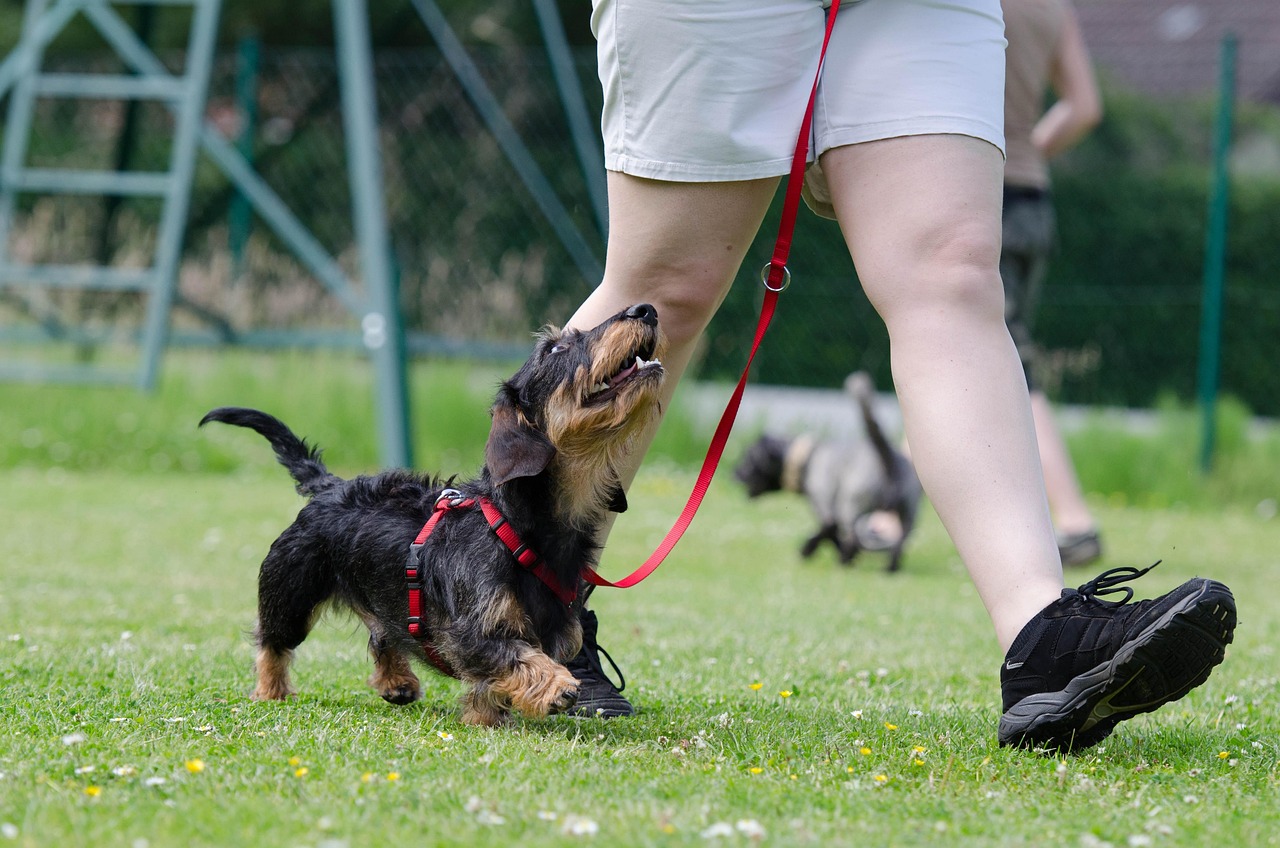
Consistency is one of the most crucial elements in training dogs effectively. When training your dog, having a consistent approach increases their understanding and responsiveness. This principle derives from the way dogs learn, which involves making associations between behaviors and outcomes. If you reward your dog every time they perform a desired action, they begin to link that action to a positive reinforcement. Conversely, inconsistency can confuse your furry friend, which may lead to frustration for both of you. It’s essential to maintain the same cues, commands, and rewards with your dog so that they can form a reliable understanding of what each behavior signifies. Being consistent also fosters trust and respect in the dog-trainer relationship, enhancing motivation over time. To ensure successful training, dog owners should create and follow a structured schedule for their training sessions. Prioritize the same commands, rewards, and methods during each training instance. Additionally, be aware that the environment can affect your dog’s learning, so maintaining consistency in distractions will also facilitate smoother training sessions. This method is effective and creates a more rewarding experience for both you and your dog.
Another vital factor in dog training is using clear communication. Establishing a consistent method of communication can significantly boost your dog’s motivation. Dogs thrive when they understand what is expected of them, hence the importance of using the same tone and words during training sessions. For example, when teaching your dog to sit, always use the command “sit” in the same tone and intonation. This helps your dog associate the sound of your voice with the behavior you want. Inconsistency in commands may confuse your pet and may diminish their eagerness to learn. Additionally, non-verbal communication should remain consistent. Hand signals or body language can reinforce commands effectively, allowing your dog to get the message even if they may not respond to verbal cues. Positive reinforcement, such as treats or praise, should accompany your commands to motivate your dog further. It also helps to reward good behavior immediately following the action to strengthen the connection. Always be patient and dedicated in your approach, ensuring a positive and enjoyable experience for your dog during training sessions. This commitment pays off with motivated and well-behaved pets that can follow commands reliably.
The Role of Timing in Training
Timing plays a critical role in training your dog consistently. When implementing training techniques, the rewards should be given promptly and accurately to create strong associations in your dog’s mind. For example, if your dog performs a trick successfully, immediately offer a treat or verbal praise. Delaying the reward can lead to confusion, causing your dog to wonder which action prompted the praise. Consistent timing of rewards reinforces your dog’s behavior and motivates them to repeat the action successfully. Use a clicker or a distinct sound to provide positive reinforcement quickly after a desired action. This helps your dog to recognize exactly what behavior is being rewarded. Moreover, managing the timing of corrections is equally important. If a behavior is undesired, addressing it immediately will help your dog understand the connection between their action and the consequence. However, avoid being harsh; positive motivation typically yields more effective training results. Consistent timing also benefits other environments, such as when walking your dog. Ensure that your commands and corrections are clear and appropriate each time to maintain your dog’s focus and motivation. This accountability will improve their understanding of your expectations significantly.
Another aspect of motivation is understanding your dog’s individual preferences. Every dog responds differently to training techniques, so it’s essential to identify what motivates your dog the most. Some dogs may be motivated by toys, while others prefer food-based rewards. Experiment with various forms of positive reinforcement until you find the one that captures your dog’s attention. This process requires patience and attentiveness to see which rewards yield the best responses. Additionally, incorporating playtime as part of the training session can boost morale and motivation. Dogs love to play, so consider mixing up your training routine with fun games that also reinforce learning. For example, use a game of fetch as a way to practice recall by calling your dog back to you during the game. Engage your dog during these sessions and incorporate their favorite toys as rewards. Moreover, seek to adjust your training methods based on your dog’s energy levels and emotional states. Understanding your dog’s mood during training allows for more effective consistency and higher motivation. This way, training becomes a positive experience that encourages your dog to learn more each time you engage.
The Importance of Setting Realistic Goals
Setting realistic training goals is essential in motivating your dog to learn effectively. Goals should be challenging yet achievable, allowing your dog to feel a sense of accomplishment as they progress. Consistent training achieves better results when goals are broken down into smaller, manageable steps. Each well-defined objective will provide a clear target for both you and your dog to aim for during your training sessions. For instance, if you want to teach your dog a complex trick like rolling over, start with simpler actions leading to the final goal. Celebrate each achievement, regardless of how small, by offering praise or rewards. This approach keeps your dog motivated, as they’ll see that their hard work leads to positive outcomes. Moreover, ensure that the goals align with your dog’s individual capabilities and limits. Be mindful of factors such as age, energy level, and breed characteristics before embarking on training sessions. As they master each step, you can gradually increase the difficulty of tasks without losing their interest. This strategy helps maintain consistency, building a solid foundation of skills that makes for a well-trained and motivated dog.
An essential part of maintaining motivation during training is incorporating variety into your sessions. While consistency is necessary, dogs can become bored with repetitive drills. Hence, mixing up training methods and activities helps keep your dog engaged and excited. For example, rotating through different commands, tricks, and even locations for practice provides new environments for learning. Introduce various distractions slowly as your dog becomes more comfortable with their skills. Consistent training doesn’t imply doing the same exercises repeatedly but figuring out how to challenge your dog while maintaining familiarity. Incorporate play into the training, allowing your dog to associate learning with enjoyable activities. If your dog excels at most commands, consider adding agility or trick training as fun alternatives that can strengthen obedience while offering routines a refreshing change. Combining mental stimulation with physical activity will keep your dog engaged and motivated during training. Also, don’t forget to give your dog a break when needed; a tired dog may become unmotivated if overwhelmed. Embrace the balance of structure and spontaneity for effective training that keeps your dog eager to learn and participate.
Conclusion: Long-Term Commitment
Ultimately, instilling consistent training habits in your dog’s life requires long-term commitment from both you and your furry friend. While the initial phases of training might seem challenging, developing a routine will create a strong bond and mutual understanding over time. Remind yourself that consistency is not merely about repeated actions but encompasses accountability in communication, timing, and reward mechanisms. The path to success is a journey, and along this path, every small achievement can be celebrated. Henceforth, motivate your dog not just with treats and toys but by gaining their trust through consistent behavior and praise. Always ensure that training sessions remain enjoyable, rewarding, and motivating for your companion. Engage with positivity and patience as you train your dog; the journey to success thrives on your lasting commitment. Remember, dogs are often sensitive beings, and your consistency provides a safe environment in which they can learn effectively. With time and dedication, you will notice significant improvements in your dog’s behavior and motivation levels, resulting in mentorship that fosters a lasting, loving bond between you and your canine companion.
By consistently applying these techniques, every training session can enhance your dog’s motivation and behavior. Consistency in dog training can be as simple as being aware of your energy levels, adjusting the type of reward given, and understanding your dog’s individual needs. With determination and commitment to these principles, dog training becomes more effective and enjoyable. Each small effort contributes to shaping your dog’s understanding and responsiveness, ultimately resulting in a well-mannered pet that is eager to learn. Investing time to forge this bond will pay off by providing an enriching experience that promotes growth. Experience and consistency in training build trust, strengthen your relationship, and create a cooperative learning environment where both you and your dog thrive. As you embark on this journey, let your enthusiasm, consistency, and love show, and watch your canine companion flourish before your eyes.