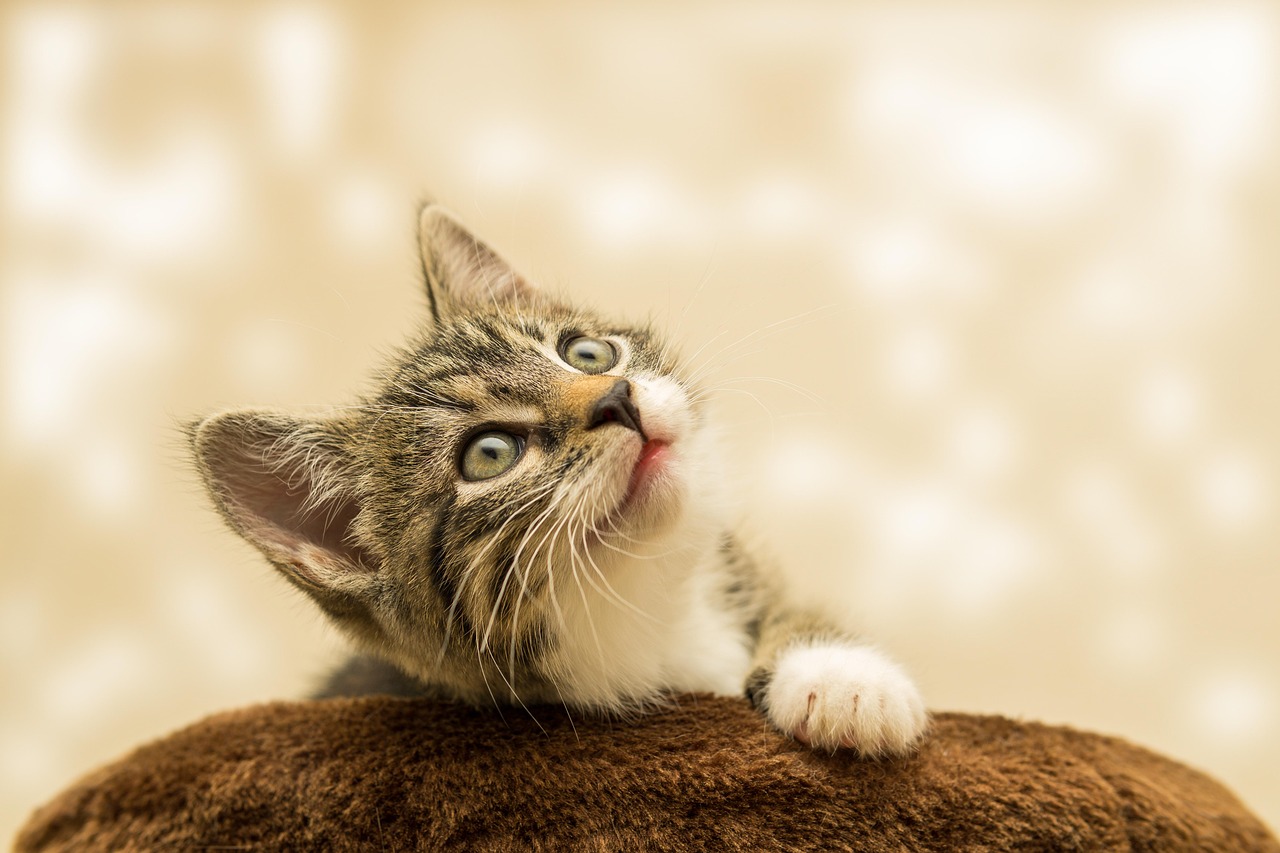

How Breeders Can Use Whisker Communication to Assess Cat Behavior
Understanding cat behavior is crucial for breeders who aim to raise healthy, well-adjusted felines. One significant aspect of this is how cats communicate using their whiskers. These specialized sensory organs help cats navigate their environment and signal emotions. Whiskers are highly sensitive and can detect even the slightest changes in their surroundings. Therefore, paying attention to how a cat uses its whiskers offers insight into their comfort level and mood. For example, whiskers pointing forward can indicate curiosity or aggression, while whiskers pulled back may signify fear or discomfort. By observing these subtle cues, breeders can better understand their cats’ behavioral patterns, improving the breeding process and cat management. Additionally, understanding whisker communication can help breeders foster a nurturing environment conducive to various feline behaviors. Creating a safe space for cats can mitigate stress responses often indicated by whisker movements. By empowering breeders with knowledge on whisker communication, they can create better connections with their cats. Ultimately, this understanding leads to better care and breeding practices, positively affecting the overall health and happiness of the felines under their care.
The importance of whisker position and movement cannot be underestimated when assessing a cat’s emotional state. Many cat owners frequently overlook these cues, missing significant indicators of their pet’s feelings and needs. By becoming more observant of whisker behavior, breeders can gain valuable insights. For instance, if a cat’s whiskers are extended and curved forward while interacting with its surroundings, the cat is likely feeling playful and curious. Conversely, whiskers that are pulled back and appearing tense indicate a stressed or defensive cat. Identifying these emotions early enables breeders to take more appropriate actions, whether that is to initiate play or to give the cat some personal space. Furthermore, interpreting whisker communication can reveal a lot about feline social dynamics. Cats often use their whiskers to gauge distances when interacting with littermates or humans. This is especially crucial in breeding situations where social behavior among cats can impact their overall socialization skills. Recognizing these whisker signals can assist breeders in selecting cats that are more adaptable and communicative, ultimately leading to a healthier breeding program.
Another significant aspect of whisker communication is how it can provide clues about a cat’s health. For breeders, it’s vital to understand that abnormalities in whisker positioning could signify underlying issues. For example, if a cat’s whiskers appear uneven or broken, this may indicate stress, malnutrition, or even illness. Observing and documenting a cat’s whisker behavior over time can help breeders gauge how well a cat is adapting to its environment and whether any interventions are needed. Cats that are healthy and in a comfortable space will typically exhibit whisker relaxation and normal movement. In contrast, a frightened or unwell cat may show whiskers that are stiff and immobile. By facilitating an environment that fosters healthy whisker behavior, breeders can promote well-being. This continuous monitoring allows breeders to address potential problems promptly, ensuring a more successful outcome. Thus, whisker communication becomes a diagnostic tool in the hands of a mindful breeder. Strengthening this awareness leads to overall improvements in managing cat populations, making breeders more effective in their roles. Better management includes the ability to respond quickly to health or behavioral issues, ensuring every cat has a chance for success.
Whiskers and Interactions with Environment
The environment plays a crucial role in how cats utilize their whiskers to communicate. Whiskers allow cats to gather sensory information about their surroundings, helping them navigate through confined spaces. Breeders should consider the environment when assessing whisker communication. For example, a cat that is in a new or challenging setting may exhibit different whisker behaviors compared to its usual home environment. Therefore, breeders need to provide diverse structural environments that enable cats to express their whisker-related behaviors. It helps them in assessing how adaptable a cat is to changes in its surroundings. When in new spaces, whiskers being held forward often indicate curiosity as the cat explores, while whiskers drawn back could reveal apprehension. By shaping environments that stimulate healthy whisker movements, breeders enhance cats’ instinctual behaviors and facilitate positive emotional states. Moreover, understanding how whiskers react to different stimuli can reflect on training methods. With proper environments, breeders can guide cats toward more positive interactions and experiences, boosting their overall adaptation skills and abilities. Thus, whiskers serve not only as communication tools but also as indicators of environmental response and adaptability.
Social interactions among cats are heavily influenced by whisker communication as well. Breeders should observe how cats respond to each other through their whisker movements. Cats use whiskers to gauge their proximity to other felines, which is essential for maintaining harmonious relationships. When a cat approaches another feline, whiskers are often extended, signaling friendliness and openness. Alternatively, if a cat is wary, its whiskers may be pulled back, indicating a defensive posture. Understanding these dynamics allows breeders to create effective breeding pairings and social environments. Recognizing which cats get along well can lead to harmonious group settings. Additionally, deciphering whisker signals can alert breeders to potential conflicts or stressors in multi-cat households early on. By evaluating how whiskers interact during socialization, breeders are better equipped to intervene before conflicts escalate. Overall, whisker communication acts as a powerful tool in understanding social hierarchies among cats. This information can aid breeders in making more informed decisions regarding housing and social arrangements within their breeding programs. Consequently, proper social oversight leads to healthier relationships among felines, enhancing the well-being of the entire breeding population.
The role of whisker sensitivity extends beyond mere communication; it significantly contributes to a cat’s ability to explore its world. Breeders should leverage the understanding of whisker function as additional insight into inquisitive behaviors. Whiskers are not only for communication but also play a vital role in spatial awareness and navigation. They help cats determine widths and distances, proving essential in tight spaces. By observing how a cat’s whiskers interact with its environment, breeders can learn about its comfort levels and security. A cat in a secure environment will exhibit relaxed whisker movements, while one in an uncomfortable space may show signs of distress. Encouraging environments where cats can use their whiskers effectively allows them to explore while minimizing anxiety, ultimately promoting healthy behaviors. Moreover, enriching the environment with appropriate physical structures can stimulate positive whisker behavior. Breeders can introduce various toys and obstacles to encourage exploration. As they observe how whiskers react to these stimuli, they can gain insights into individual cat personalities and preferences. Thus, breeders can innovate their practices, focusing on environments that enhance feline satisfaction and overall emotional health.
Conclusions About Whisker Communication
In conclusion, whisker communication is an invaluable aspect of understanding cat behavior. Breeders possess the unique opportunity to tap into this form of communication to ensure better development and care of their cats. Recognizing the nuances of whisker positioning allows breeders to assess individual personalities, emotional states, and health conditions accurately. This understanding fosters better breeding practices while enhancing the welfare of each cat. Additionally, the awareness surrounding whisker behavior can significantly improve social interactions among multi-cat environments. Understanding how whiskers respond in various situations can provide insights into potential stressors and reaffirm appropriate responses. This knowledge not only informs breeding decisions but also aids in the overall management of cat populations. Furthermore, by enriching environments and promoting healthy whisker motions, breeders can create settings conducive to positive behaviors. Ultimately, these insights into whisker communication lead to happier, healthier cats. The cultivation of such knowledge is not mere academic interest; it yields practical benefits for practice. It reinforces the bond between breeders and felines and facilitates an understanding that is crucial for successful cat care, breeding, and management, creating a nurturing environment for all cats involved.
For those entering the field of breeding and cat care, understanding whisker communication is foundational for effective practice. Knowledge about how whiskers work can lead to improved relationships between breeders and cats. As breeders become attuned to these subtle signals, they can adapt their practices to cater to the needs of their cats better. Whisker communication not only reflects individual cat behavior but also essential health indicators, laying the foundation for fulfilling cat lives. Maintaining sensitivity to whisker movements should be a core competency for anyone involved in cat breeding. This newfound awareness creates an environment where breeders and cats can thrive together. Recognizing that whiskers are both a tool for interaction and a window into health fosters awareness that guides breeding decisions. Ultimately, improved understanding of whisker communication leads to better outcomes for both the cats and the breeders. Incorporating this knowledge into breeding programs enhances cat welfare immeasurably. The intricate language of whiskers is not just for communication but a crucial component of a cat’s emotional and physical health. Breeders can cultivate this understanding to create meaningful practices that support the lives, health, and joy of their cats in a demanding world.