
Capturing Authentic Expressions by Observing Dog Emotions
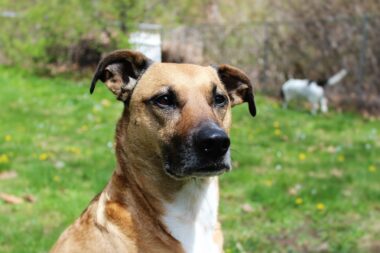
Understanding dog behavior is crucial for capturing their authentic expressions and emotions during photography sessions. Dogs have a unique way of communicating through their body language and facial expressions, which can greatly enhance the storytelling aspect of your images. Observing a dog closely allows you to recognize subtle cues indicating how they are feeling. For instance, a wagging tail usually signifies happiness, while pinned ears can indicate fear or uncertainty. To make the most of your photography, consider the environment and how it affects a dog’s mood. Different settings, such as parks or beaches, may evoke various responses from the dog. Familiarize yourself with the dog’s habits and likes, which can help you predict when they will showcase their best expressions. Additionally, patience is key; dogs may need time to adjust to the camera or the presence of a photographer. By building rapport with them before the shoot, you’re more likely to capture genuine smiles and interactions. Ultimately, understanding a dog’s emotions allows you to create images that resonate with viewers and portray the unique personality of your subject.
Capturing the perfect shot during a dog photography session goes beyond mere technical skills. It involves understanding your subject deeply, which is where knowing dog behavior becomes essential. Dogs experience a plethora of emotions ranging from joy to anxiety, and recognizing these feelings is vital for successful photography. For example, when a dog is relaxed and content, their expressions are often more engaging and lively, making for vibrant, emotional photographs. Pay attention to the dog’s posture and movements; these can indicate their emotional state. You may observe moments when a dog is excited, playing, or even just lounging in the sun. Each of these situations offers different opportunities for showcasing their character. Moreover, consider using treats or toys to engage the dog during the shoot, as this helps stimulate genuine expressions and natural interactions. Incorporating these elements into your photography strategy can lead to more captivating images. Over time, you will develop an eye for what makes a dog’s emotions shine through your lens. As a result, your portfolio will reflect the rich personality and emotional depth dogs possess, creating stunning artwork that captivates viewers.
Techniques for Observing Dog Behavior
To effectively capture dog emotions through photography, it’s vital to employ techniques that allow you to observe their behavior keenly. One effective method is to always stay attentive to the dog’s movements, listening for their sounds and watching their body language. Familiarize yourself with different breeds, as each may exhibit unique traits when expressing emotions. For instance, some dogs might tend to be more expressive with their eyes, while others may rely heavily on posture. Setting up a calm environment where the dog feels comfortable can also greatly assist in capturing authentic expressions. Techniques such as photographing from the dog’s eye level can change the perspective and help portray their feelings more authentically. Don’t rush the process; take your time to bond with the dog before picking up your camera. Often, the best shots come from those spontaneous moments when the dog feels at ease. By using these techniques, you not only enhance your skills as a photographer but also deepen your connection with your canine subjects, enabling you to capture more intimate and authentic images effectively.
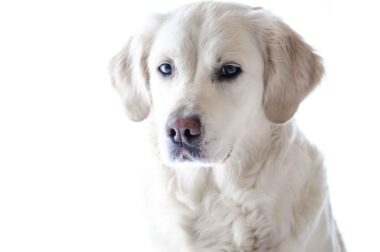
Another essential factor in capturing dog emotions is the interaction between the dog and its surroundings. Dogs are naturally influenced by their environment, and this can impact their behavior significantly. When shooting in a familiar space, such as their home or favorite park, dogs are more likely to express themselves freely and authentically. Observe how they interact with their space – a dog playing with a toy, sniffing around, or exploring new scents, all contribute to their emotional expressions. These moments create an opportunity for you to capture true joy and curiosity in your photographs. Likewise, being aware of potential distractions in the environment can help you minimize disruptions during your shoot. Positioning yourself strategically allows you to align your shots with the dog’s play and natural curiosity. Utilizing natural light enhances the quality of your photos, allowing you to showcase the soft details and colors in a dog’s coat. The interplay of light and shadows can add depth to your images, making them more visually compelling. Overall, by considering the environment, you heighten your chances of capturing those authentic, emotional moments that tell a story through your photography.
Building Trust with Your Canine Subjects
Building trust is fundamental when photography involves dogs, as it greatly influences their behavior during shoots. Dogs are sensitive to their surroundings and often pick up on human emotions. Therefore, approaching them calmly and positively can create an environment conducive to capturing genuine expressions. Spend time getting to know the dog before picking up your camera. You can initiate this by engaging in playful interactions, allowing the dog to familiarize itself with you. Using treats can be an effective way to establish a connection; for example, rewarding the dog when it responds positively can foster trust. By being patient and taking time, you will create a bond that encourages the dog to express itself naturally. Additionally, letting the dog take the lead during the shoot can help them feel more comfortable. When dogs feel safe, they often exhibit more genuine and candid behaviors. This approach not only enhances your photography but also allows for more enjoyable experiences for both you and the dog involved, leading to more authentic and charming images.
In addition to building trust, being prepared for unexpected behaviors during a dog photography session is crucial. Dogs are naturally curious and often unpredictable, making it essential to be flexible as a photographer. While planning is important, spontaneity can lead to capturing the most candid expressions. Learning to adapt to each unique situation will help enhance your photography skills. Sometimes, a playful moment or a quick reaction can result in the best photographs, so keep your camera ready. Monitoring the dog’s energy levels and mood fluctuations can help in understanding when they are more likely to display authentic emotions. If the dog starts to lose interest, taking a break or changing your approach can refresh the atmosphere. Experiment with different angles and compositions and allow the dog some freedom to explore. This method encourages them to exhibit natural behaviors that you can capture beautifully. Therefore, stay attentive, flexible, and encourage playfulness during shoots. This adaptability often leads to astonishing photographs that truly reflect the dog’s personality and emotions, making your work stand out in the world of pet photography.
Editing to Enhance Emotional Expression
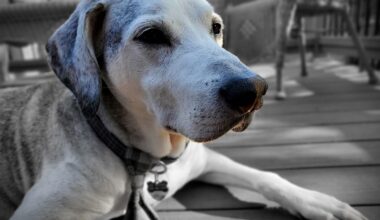
Once you’ve captured your photographs, the next phase is editing, which can significantly enhance the emotional expression of each image. Using photo editing software, you can manipulate various elements such as brightness, contrast, and color saturation. Adjusting these elements allows you to amplify the feelings conveyed in the photograph. For instance, increasing brightness and contrast can evoke a sense of joy and energy, while muted tones might portray calmness or introspection. Additionally, sharpening the image can increase the clarity of details in the dog’s face, making the expression more vivid and impactful. Cropping is another important tool, allowing you to focus on the dog’s features that express emotion, thereby eliminating distracting elements from the background. Furthermore, consider converting your images to black and white to evoke a timeless sense of emotion. This effect can highlight the dog’s features without the distraction of color, often resulting in more poignant visuals. The editing process, when done thoughtfully, enhances the emotional resonance of your photographs and helps convey the stories behind each dog’s expression beautifully.
Finally, showcasing your dog photography effectively requires a keen understanding of how to present these emotional images to viewers. When displaying your work, consider creating narratives or themes that capture the essence of the images. Each photograph should tell a story about the unique emotional moments shared with each dog. Incorporating text to explain the context behind certain shots can create a deeper connection with your audience. Various platforms allow for digital uploads, but consider designing a physical portfolio or an interactive website that invites viewers into the world of your dog photography. Engaging your audience through social media can also elevate your visibility as an artist. Use platforms like Instagram or Pinterest to share behind-the-scenes content, showing how you captured particular moments and the joys of working with dogs. Additionally, collaborating with local shelters or dog trainers can provide excellent exposure, showcasing your passion and skills. By establishing a strong online presence and community interaction, you position yourself to reach a broader audience and foster appreciation for authentic canine portraits that resonate with many dog lovers.