
How to Make Your Dog House Insect and Pest Resistant
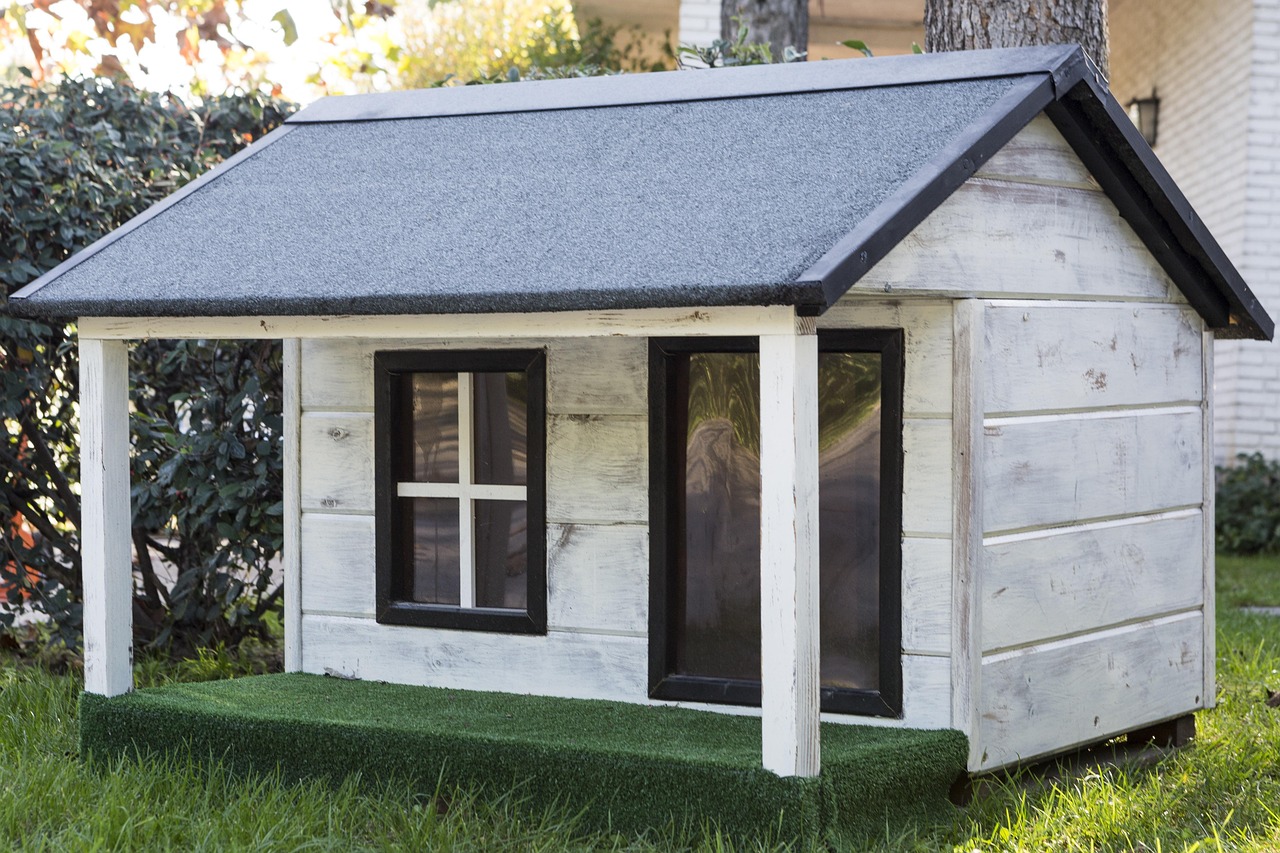
Building a dog house that is insect and pest-resistant is crucial for your furry friend’s comfort and safety. Begin by selecting the right location for your dog house. Choose a spot that is well-drained and receives plenty of sunlight to discourage bugs. You should also avoid low-lying areas where water can collect, making it easier for pests to thrive. Additionally, consider elevating the house off the ground using durable materials like wooden legs or concrete blocks to prevent moisture buildup and discourage insects from nesting underneath. The roofing should be sloped to allow rain to slide off effectively, minimizing dampness in the house. Furthermore, seal any gaps or crevices with non-toxic caulk to limit entry points for bugs. Using treated wood can also help in preventing rot and insect damage and ensures a longer-lasting structure. Regular maintenance is essential; regularly inspect the house for signs of pests, and take immediate action if detected. This proactive approach can keep your dog safe from harmful insects that can transmit diseases or cause discomfort. Always prioritize using pet-safe treatments when doing maintenance work.
One effective way to enhance pest resistance is by treating the wood used for your dog house. Look for non-toxic insect repellents designed to penetrate the wood and create a barrier against unwanted pests such as termites and ants. Proper treatment not only prolongs the lifespan of your dog house but also reduces the likelihood that pests will invade. Additionally, consider using cedar wood, which naturally repels many insects due to its aromatic oils. This material provides a pleasant scent while offering a durable, long-lasting dog house. Craft an insulated dog house to keep your pet comfortable while deterring insects. Insulation materials can include foam boards or recycled materials that are sealed correctly. Attaching mesh screens to the windows and vents can also help air circulate without allowing insects to enter. Make sure to inspect and clean these screens regularly to avoid blockages, which could foster mold or other unwanted entities. Lastly, utilize a quality dog house cover or flap that provides enhanced protection from the elements and pests. This combination of materials and designs ensures a safe haven for your beloved companion.
Utilizing Natural Repellents
Incorporating natural pest repellent strategies improves your dog house’s defenses. Essential oils such as eucalyptus, lavender, and peppermint are known for their insect-repelling properties. You can dilute these oils with water and spray them in and around the dog house regularly to deter unwanted guests. However, ensure that any products used are safe for dogs and not overwhelming in scent. Additionally, herbs like basil and rosemary around the dog’s house can also discourage pests while providing a vibrant appearance. Planting these herbs also encourages a more appealing environment. You can also use diatomaceous earth, a natural pesticide that can be sprinkled around the exterior garden area where the dog house is located. This highly absorbent substance can help eliminate insects by dehydrating them. Another method includes creating a barrier with cinnamon sticks, which naturally repel many insects due to their strong scent. When building your dog house, combine these approaches with conventional materials to create a safer, pest-free haven for your beloved pet while ensuring that their health remains your top priority.
Regular Maintenance Tips
Regular maintenance is a key component of keeping your dog house pest-resistant over time. Schedule frequent inspections to catch potential issues early. This can involve checking for moisture, missing or damaged shingles, and any signs of pest infestations. It’s important to keep the surrounding area clear of debris, as this can attract insects and rodents, which may seek refuge in your dog house. Regularly mowing the grass and clearing fallen leaves ensure that pests have fewer places to hide. Cleaning the inside of the dog house is also essential; use a mixture of vinegar and water to eliminate bacteria and unwanted smells. Allowing your pet’s space to remain clean discourages bugs from settling in. Additionally, searching for any cracks or gaps in house materials and promptly repairing them maintains your dog house’s integrity against pests. If you identify any weak areas, reinforce them using sturdy materials. Lastly, check that the dog house is properly ventilated. Good airflow can reduce humidity levels, making it less attractive to insects. Periodic maintenance ensures a safe, comfortable environment for your dog with minimal pest disturbances.
Consider also using barriers such as fencing or mulch to protect your dog’s space. A perimeter fence helps keep stray animals away while mulch creates a barrier that discourages pests from entering the dog house. Cedar mulch in particular can repel insects naturally, creating one more layer of defense against intruding pests. Use landscape fabric beneath the mulch to minimize weed growth while allowing water to drain easily. Furthermore, a dog house raised on sturdy legs can deter pests while also preventing water accumulation beneath. If you are in a high-risk area for pests, consider elevating the house further or installing a dog house on a concrete slab. When designing your dog house, ensure any entrances are appropriately sized to let your dog in and out without allowing rodents easy access. Use heavy-duty vinyl flaps or self-closing doors to control unwanted entry. Regular cleanup of toys, bedding, and food around the dog house is essential as well. Unattended food or debris can draw pests, creating an unwelcoming atmosphere for your fur baby. Maintaining cleanliness alongside effective barriers creates a safe space.
Choosing the Right Location
The dog house’s location plays a huge role in keeping pests at bay. Make sure to place it in an area with good drainage to avoid pooling water that attracts mosquitoes or other pests seeking moisture and shelter. Relocating your dog’s house can help if you find that bugs are becoming problematic; choose sunny spots that are well-ventilated while keeping the area free from dense vegetation. Low-lying shrubs and tall grass provide nesting opportunities for insects, so removing potential habitats can significantly reduce the chances of pests becoming a nuisance. Overhanging branches can also create shady hideaways for pests, which may lead them toward your dog’s house. Another thing to remember is the proximity to garbage bins. Ensure that the dog house is far away from trash or compost piles, as these are potential hotspots for attracting unwanted critters. Additionally, creating a built-up area of gravel surrounding the dog house can help control mud and discourage pests. Opting for a multi-layered approach to locate the house, combined with preventive measures, will provide the protection your canine companion needs against various pests.
Finally, consider integrating smart technology into your dog house for enhanced protection. Temperature and humidity sensors can alert you when changes may invite pests. These devices help monitor conditions and maintain a comfortable environment for your dog while keeping insects at bay. If you choose to, consider adding automatic doors or gates to control access effectively based on your dog’s activity. Smart automatic pest repellents are also available, which can help detect and repel pests based on their movement in proximity to the dog house. With these technologies at your disposal, caring for your dog’s environment becomes significantly easier. Regularly updating software or settings ensures your dog house maintains optimal conditions year-round. Recreation of a comfortable environment is crucial for comfort while also reducing health risks associated with insect exposure. By combining traditional maintenance methods with the latest technology, you enhance both comfort and safety for your beloved pet. Integrating these elements will ensure that your dog house remains a secure retreat, free from bothersome insects, so your furry friend can enjoy their space for years to come.
Conclusion
Creating a dog house that is insect and pest-resistant requires thoughtful planning and ongoing maintenance. Start by choosing appropriate materials and treating them effectively. Incorporate natural repellents like essential oils and herbs for added protection while ensuring a clean environment around and inside the dog house. Maintaining cleanliness and regularly inspecting for potential pest issues can help you stay ahead of any problems. Make informed choices on the house’s location and design to establish a barrier against unwanted pests. Pairing traditional methods with modern technology can enhance your efforts, ensuring a safe and comfortable space for your dog. Investing time and care into this project will pay off by providing your companion with a pest-free haven. Ultimately, a well-designed dog house should cater to your dog’s needs and repel pesky insects effectively. With these strategies in place, your dog will have a safe and welcoming refuge to call home, creating a lasting bond between you and your four-legged friend.