
The Importance of Warm-Up and Cool-Down for Cats in Training
Warm-up and cool-down exercises are essential components of a cat’s training regimen. Just as with humans, these practices help prevent injuries and improve performance. By gradually increasing the heart rate, warm-ups prepare your cat’s muscles for more strenuous activities. Simple movements, such as stretching and gentle play, can effectively warm up a cat’s muscles. It helps their bodies get ready for exercise, enhancing flexibility and strength. Additionally, warm-ups can mentally prepare your cat by engaging them before intense activities. This process reduces anxiety and builds a routine, making your feline friend more comfortable during training sessions. After an exercise session, cooling down is equally important. It helps decrease heart rate and prevents stiffness, which is essential for recovery. Cooling down includes slow, gentle movements or resting in a peaceful environment. Always observe your cat’s reactions, adjusting the warm-up and cool-down methods to fit their needs. Providing these components will lead to a healthier cat and a more enjoyable training experience. Engage your cat with specific routines tailored to their fitness level, promoting longevity and vitality throughout their life.
One of the major benefits of a good warm-up routine is injury prevention. Cats, like any other athlete, require proper conditioning. Insufficient warm-ups can lead to muscle strains or joint injuries. Gradual engagement allows the cat’s body to adjust to increased physical demands. This readiness can significantly lower the risk of fatigue during workouts. It is important to note that older cats or those with existing health issues may need longer warm-up periods. Consult your veterinarian for advice tailored to your cat’s unique needs. Conditioning not only improves physical well-being but also enhances agility and balance. Interactive toys or agility courses can be excellent tools in getting cats warmed up. Gentle exercises like stretching help elongate muscles and tendons, thus avoiding sharp pulls during workouts. Moreover, providing mental stimulation during this phase can be advantageous. Puzzle toys, for example, can effectively engage your cat’s mind while promoting physical movement. Furthermore, make sure the environment is safe and quiet, free of distractions. Create a cozy, dedicated space for your cat’s training sessions. This reinforces a positive attitude toward both interactions with you and the warm-up process.
Understanding Cool-Down Benefits
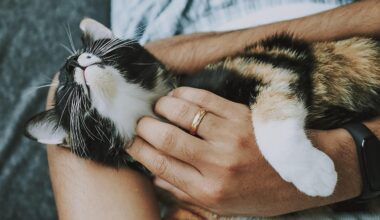
The cool-down phase is often overlooked but equally crucial as warming up. After an intense training session, gradual lowering of activity helps cats recover properly. Immediate cessation after physical exertion can be jarring for a cat’s body, potentially causing muscle soreness. An effective cool-down helps lower the heart rate back to its normal state, facilitating recovery. Extended periods of relaxation, along with hydration, are critical components post-training. Providing an opportunity for your cat to relax helps in reducing tension in the muscles. Taking this time also aids in mental relaxation, allowing your cat to unwind after exertion. Gentle grooming or soothing petting can be a great way to bond during the cool-down. It promotes affection and comfort while helping to calm their breathing. Moreover, this period may also serve as a time for reflection on the training. Reward your cat with treats or cuddle time, reinforcing the training’s positive aspects. With consistent routines, your cat will begin to associate these practices with enjoyable experiences. This mutual bonding time can enhance the overall relationship you share with your feline friend.
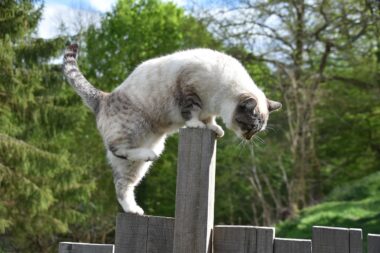
Establishing a consistent routine for workouts, including warm-ups and cool-downs, is critical for overall effectiveness. Timing is essential; ensure that your cat gets accustomed to exercises at similar intervals. Implementing a varied routine can build excitement and motivation. Include both fun activities and specific strength-building exercises to keep your cat engaged. Incorporate a mix of short sprints, jumps, and gentle climbing during the workouts. This keeps their muscles engaged while also providing mental challenges. Furthermore, always monitor your cat’s behavior and energy levels before starting any training. If your cat appears lethargic, it perhaps requires more time for warm-ups. Conversely, energetic cats may require more challenging warm-up drills to tire them out. Have different lengths of sessions planned depending on your cat’s individual needs. Remember that boredom can affect motivation; diversify workouts regularly. Add different toys or obstacles to keep things fresh. Consider your cat’s preferences, as some may enjoy chasing feather toys while others prefer interactive laser pointers. Making training sessions enjoyable ensures a positive experience and fosters a lifelong habit of fitness for your feline companion.
Recognizing Signs of Fatigue
Recognizing signs of fatigue in your cat plays a huge role in adjusting workout routines. Just like humans, cats can become tired or overworked. Key signs include heavy panting, reluctance to engage, or a noticeable decrease in energy. Additional signs may include excessive licking of paws or frequent lying down during activities. It is important not to push your cat beyond its limits, as this can lead to injuries. Understanding your cat’s threshold for exertion will help create a more effective training plan. Observe your cat closely during exercises; take notes on what activities they thrive in or avoid. If they seem uninterested, consider switching up the routine. Additionally, warmth and hydration post-training are vital for recovery. Ensure fresh water is available at all times, especially after workouts. This supports their recovery process and keeps them motivated for future sessions. A well-hydrated cat is more likely to be engaged and active, leading to better results. Vet check-ups can give insights into your cat’s health, ensuring they are fit for regular training. Overall, fostering a keen awareness of your cat’s comfort and performance is invaluable.
Setting realistic goals for your cat’s fitness is essential for maintaining progress. Overambitious expectations may lead to frustration for both you and your feline. Begin by evaluating your cat’s current fitness level; start with simple, achievable objectives. This allows your cat to build confidence gradually, as well as developing a solid foundation for further skills. Celebrate small achievements with positive reinforcements to encourage continued engagement in workouts. Gradually increase the level of difficulty as your cat adapts to the routine. This should ideally be done in a manner that doesn’t overwhelm your pet. Variety keeps the training process exciting and prevents boredom from setting in. Implementing new challenges, such as increased obstacles or varying toys, can enhance their agility skills over time. Consistency is key; maintaining regular practice sessions will lead to optimal improvement in fitness. Try to include diverse environments, allowing your cat to experience varied surfaces and landscapes. Gradually introducing changes ensures flexibility, which enhances muscle development. Building a supportive fitness framework fosters a dynamic environment where your cat can thrive, encouraging growth and health.
Conclusion: The Long-Term Benefits
In conclusion, incorporating warm-ups and cool-downs into your cat’s training regimen yields long-term benefits for both health and wellness. A structured approach to fitness ensures your cat remains active while minimizing risks of injury. Regular training sessions help maintain weight, improve cardiovascular health, and enhance muscle strength. This holistic strategy supports longevity and improves overall quality of life in felines. Establishing a stable routine, combined with recognizing specific needs, enhances the training experience significantly. From fostering a strong bond to creating enjoyable antics, the benefits multiply across every aspect. Always adapt and modify routines based on your cat’s responses to activities, creating a personalized journey. Monitor their progress and maintain a journal to encourage ongoing motivation. Furthermore, consult with a veterinarian for individualized assessments and professional guidance. Their insight can provide essential knowledge about your cat’s specific requirements for fitness. Committing to warm-ups and cool-downs provides an enriching experience for your feline. With dedication, you’ll notice significant differences in your cat’s behavior, attitude, and overall well-being. Through regular practice, you guarantee a lifetime of happiness and vitality for your beloved pet.