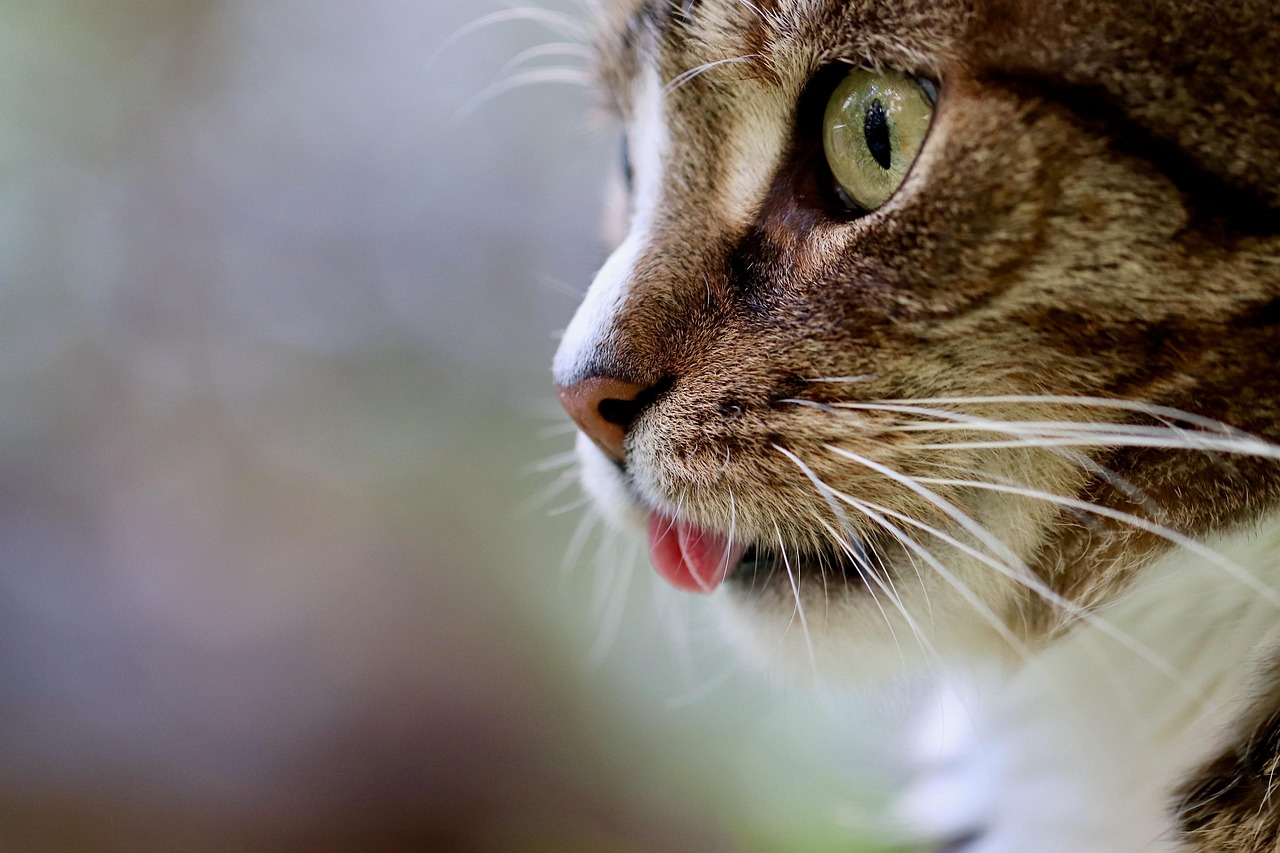

Emergency Nutrition Mistakes to Avoid for Cats
When it comes to cat nutrition during emergencies, one of the crucial mistakes owners make is relying solely on adult cat food for kittens. Kittens require a specific balance of nutrients to support their rapid growth and development. Moreover, changing a cat’s diet drastically can cause gastrointestinal upset. Gradually introducing new food is essential to avoid stress on their digestive systems. Always ensure that emergency food supplies match your cat’s age, weight, and health condition. Storing wet and dry food can provide variety, but make sure to check expiration dates periodically. Familiarizing yourself with proper portion sizes during emergencies is another vital consideration. Overfeeding in crisis situations can lead to obesity or vomiting. Also, be mindful of storing food correctly. Warm climates can spoil food prematurely, and moisture can lead to mold growth. Recognizing when to consult a veterinarian is vital; blindly following online advice might not suit your specific situation. Similarly, always keep fresh water available, as hydration is critical for your cat’s health. Prepare a checklist for emergencies to streamline a feeding plan and avoid common pitfalls. When in doubt, prioritize nutrition based on your vet’s recommendations.
Another common mistake during emergencies involves using human food as cat food substitutes without proper guidance. Cats have unique dietary needs, and many human foods can be toxic or inappropriate for them. For example, foods like onions, garlic, and chocolate should never be fed to cats. Moreover, even safe foods must be introduced cautiously. Some cats may react negatively to new ingredients, further complicating emergency situations. Avoid making hasty food choices based solely on availability. If you must utilize human food, consult with your veterinarian about safe options and suitable portions. Additionally, ensure any human food you give is cooked and free of additives like salt and spices. Consider having a list of safe treats on hand to avoid panic in stressful moments. It’s essential to have food that your cat is familiar with, as comfort can soothe them during emergencies. Pay attention to the nutritional value of any alternatives; high protein and fat contents are crucial for maintaining your cat’s energy levels. Furthermore, if your cat is on a special diet due to medical conditions, it’s vital to prioritize these needs over convenience. Taking time to prepare informed choices is vital to your cat’s wellbeing.
Understanding Portion Control in Emergencies
Portion control is often overlooked during emergencies, but it’s essential for maintaining your cat’s health. Feeding your pet more than the recommended quantity may seem like a good idea when food is scarce, but it can lead to long-term health issues such as obesity or gastrointestinal distress. During a stressful situation, avoid free-feeding your cat. Instead, serve measured portions. You can use your veterinarian’s recommendations for daily caloric needs based on your cat’s weight, age, and activity level. It’s also beneficial to feed multiple smaller meals rather than one large meal to maintain energy levels without overloading their digestive system. Keep track of your cat’s behavior and health during emergencies, as any signs of distress should prompt a reevaluation of their diet. Regular monitoring will help catch any adverse reactions early. Prepare dry and wet food options to provide balanced nourishment, as variety prevents boredom and promotes hydration, especially when using dry food. Additionally, remember to always have a reliable food source in your emergency supply kit so that you don’t face any last-minute stress regarding your cat’s nutrition.
In emergencies, many pet owners often neglect the importance of fresh water for their cats. Dehydration can quickly become a serious issue, especially if cats are stressed and refuse to eat or drink. If you find yourself in an emergency situation, ensure that fresh water is available at all times. Using portable water containers can help maintain cleanliness and accessibility, even in adverse conditions. Check the water daily; make sure it’s fresh and free of contaminants. A vital point is understanding how much water your cat needs based on their diet and size. Cats generally need approximately 60-70 ml of water per kilogram of body weight daily. For cats with wet food diets, this amount may be slightly lower, but always err on the side of providing more hydration. Be creative and make water appealing by providing multiple sources. Cats may prefer drinking from a fountain or shallow bowls; experimentation can lead to better hydration. During emergencies, stress may increase your cat’s water needs. Understand signs of dehydration, such as lethargy and dry gums, and respond promptly. A list of signs to monitor is essential for protecting your cat’s health.
Assessing Your Cat’s Health Needs
Every cat has unique health needs, and it’s crucial to assess these during emergencies. If your cat has pre-existing medical conditions, their dietary requirements may be different than a healthy cat. In such cases, ensure you have enough of their prescribed food, as alternatives may disrupt their treatment. For cats with sensitive stomachs or allergies, stick to familiar brands and avoid new flavors that may cause upsets, which can complicate an already stressful situation. Documenting your cat’s medical history can aid in emergencies, allowing you to provide precise information if you need veterinary assistance. Additionally, learn how to prepare food and medications if your cat requires them during a crisis. Always include essential medications in your emergency kit for easy access in case of unexpected events. If your cat requires special feeding methods due to health issues, practice these beforehand to avoid unnecessary stress. At the same time, establish a communication plan with your veterinarian, asking for advice on safe emergencies or changing health needs. Taking these steps can significantly ease stress and ensure your cat remains well-nourished and healthy when it matters most.
Lastly, understanding the role of comfort food in emergencies cannot be underestimated. During stressful times, familiar foods can soothe your cat and provide a sense of normalcy. Cats have strong preferences, and knowing their favorite treats can make a difference. Consider adding their preferred treats or wet food to their diet during emergencies, which can create a boost in morale. However, moderation is essential; while comfort is vital, maintaining overall health must remain a priority. Relying solely on comfort food, especially if it’s not nutritionally balanced, might lead to health complications. Balance is key; ensure every meal includes essential nutrients. Create a list of your cat’s favorite foods and consult with your vet on how to integrate them effectively into your emergency nutrition plan without compromising health. Moreover, understanding the impact of stress on your cat’s food preferences can help guide your decisions. Pay attention to their reactions; if anxiety disrupts their eating habits, seek ways to create a calming environment. Preparation is essential, allowing you to navigate emergencies efficiently while ensuring your cat’s wellbeing remains intact throughout the ordeal.
In conclusion, managing your cat’s nutrition during emergencies requires careful attention to detail and an understanding of their unique needs. Avoiding common mistakes, such as dietary changes based on convenience, is crucial. Creating a balanced emergency food plan that considers your pet’s health, hydration, and comfort will lead to better outcomes during stressful times. Don’t underestimate the importance of fresh water and proper portion control as these factors directly influence your cat’s overall wellbeing. Maintaining a connection with your veterinarian is also critical; they can provide valuable insights on your cat’s dietary requirements. Establishing a preparedness plan includes having emergency food supplies, fresh water, and any necessary medications at your fingertips. Lastly, ensuring your cat feels emotionally secure during crises through comfort foods and familiarity can promote better eating habits. As an engaged pet owner, your proactive approach, knowledge, and thorough preparations can ensure your feline friend remains healthy and nourished, even in emergencies. Remember, awareness and understanding go a long way in making the right choices for your cat’s nutritional needs, ultimately leading to a happier, healthier pet.
By following these guidelines and being attentive to your cat’s behavior, you can effectively avoid nutrition mistakes during challenging times. Your diligence in emergency preparedness not only benefits your cat but also strengthens the bond between you and your beloved pet. Always stay informed and adapt to any changing circumstances or challenges you may face. With dedication and care, you will provide your cats with the nutrition, comfort, and support they require when they need it most.