
Combining Play and Exercise: When Your Dog is Most Receptive
Understanding the best times of day to exercise your dog can significantly enhance your pet’s overall well-being. Dogs have varying energy levels throughout the day, dictated by factors such as breed, age, and individual temperament. Taking note of your dog’s mood and energy can guide you on when to schedule exercise. Early mornings are often a great time for exercise, given that many dogs are full of energy after a good night’s rest. A brisk walk or a game of fetch can help begin their day positively. Likewise, late afternoons and early evenings allow dogs to expend energy after being inside during the day. Regular outings during these times can help maintain their physical health as well. Additionally, some dogs may benefit from shorter play sessions during peak warmth of the day. For instance, playing inside can be beneficial when temperatures soar. Pay attention to your dog’s reactions during these different times and adjust your exercise routine accordingly to ensure they remain happy and healthy. Remember, it’s crucial to provide your dog with daily stimulation to avoid boredom and related behavior issues.
Another consideration when determining the best times for exercising your dog is their individual needs and preferences. Some dogs show more enthusiasm during specific hours, while others may prefer longer, quieter times. One effective strategy is to try varying your daily routine while observing their reactions. Keep track of how your dog responds to morning walks versus evening outings, and take note of whether they appear more energetic or pleased at particular times. It is essential to create a consistent schedule as dogs thrive on routine. In this sense, consistency not only enriches their daily lives, but it also encourages responsible behavior in other areas, such as house training. Pay attention to factors such as weather conditions, too. Rainy or overly hot days might mean indoor playtime instead. Flexibility in your scheduling can improve obedience training and socialization opportunities. Incorporating interactive toys inside can keep your dog mentally stimulated when outside time isn’t possible. This could include puzzle toys that dispense treats. Remember, there’s no one-size-fits-all solution; getting to know your dog’s energy patterns is vital to ensure they are receiving the right amount of exercise.
The Role of Seasonal Changes
Seasonal changes also play a crucial role in deciding when to exercise your dog. Heavy rain or extreme cold can lead to reluctance in your dog to venture outside, thereby limiting their exercise options. In summer, early mornings or later evenings are better for exercise to avoid the heat. Plus, summer afternoons are perfect for swimming, which many dogs love. Make the most out of each season by adjusting your daily routine accordingly. This may mean heading out at dusk for a cooler experience in summer or enjoying crisp morning walks in autumn. During winter, keep an eye on the temperature and the condition of walking surfaces. If roads are icy, consider alternative indoor activities until conditions improve. Indoor games, such as tug-of-war or hide-and-seek, can be entertaining substitutes that keep their spirits up. In spring, a dog’s excitement may be heightened due to blooming scents and warmer weather, making it an optimal time to explore new trails or parks. Overall, closely monitoring seasonal changes allows you to optimize exercise times throughout the year to keep your dog physically engaged.
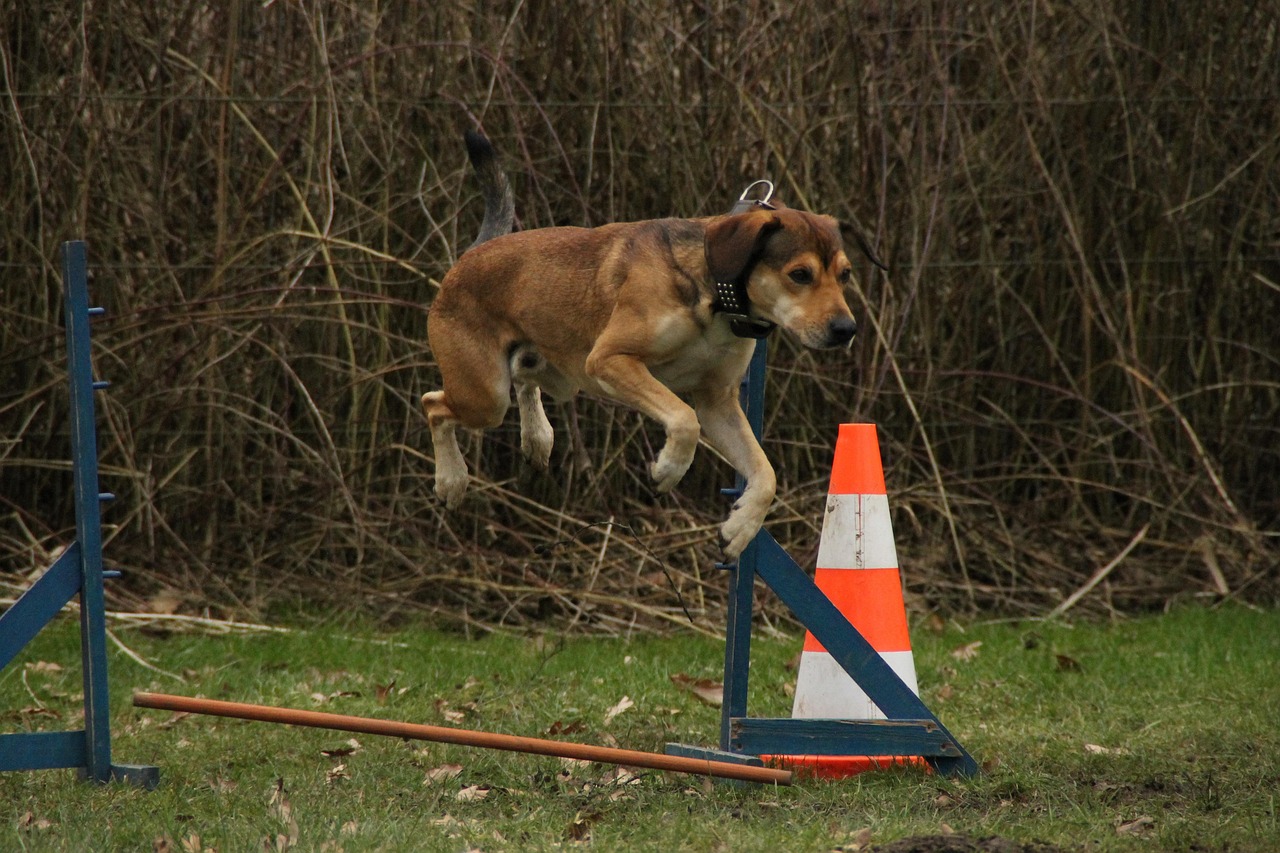
In addition to observing your dog’s preferences and seasonal changes, consider how their breed impacts their exercise needs. Different breeds have varying energy levels. For instance, high-energy breeds, such as Border Collies and Retrievers, require more exercise compared to smaller or more sedentary breeds like Bulldogs. Tailoring your exercise schedule to align with your dog’s breed characteristics ensures that they meet their physical needs effectively. Larger breeds often benefit from longer walks or play sessions in the morning or evening, while small dogs may require less strenuous activity more frequently throughout the day. Individual temperament also plays an important role. Some dogs enjoy racing around and need ample space to burn energy, while others prefer calm walks around the neighborhood. Introducing a variety of exercises, like agility courses or playing with balls to chase, can cater to a range of exercise styles. Fostering a strong and trusting bond with your dog through various activities can enhance their overall well-being. Always consider their safety and comfort factors throughout play, using leashes during walks when necessary.
Understanding Your Dog’s Signals
Being attuned to your dog’s signals is paramount in determining the right exercise times. Dogs usually exhibit signals when they need to release energy or require playtime. Signs of boredom, such as restlessness, chewing on furniture, or excessive barking, indicate it’s time for some engagement. In contrast, if your dog seems lethargic or unwilling to participate in exercise, consider shortening the duration or intensity this time. Keeping flexible with your exercise regimen might reveal the most balanced approach that suits both you and your canine companion. Different breeds may display different reactions when it comes to managing their energy. Observing various playing habits allows you to pinpoint ideas more suited for them. Keeping a log of their moods relative to your session times can help you craft an optimal schedule. For example, some dogs may thrive with short bursts of activity throughout the day, while others may prefer extended exercise sessions in one go. Recognizing these behavioral patterns over time will lead to a richer and more fulfilling companionship. Take advantage of these insights by creating a routine that fulfills your dog’s emotional and physical needs.
Incorporating socialization into your dog’s exercise routine can enhance their overall experience. Engaging with other dogs and humans during routine walks or playdates opens avenues for healthy interactions. It’s helpful to attend local dog parks or arrange play sessions with friends who also own dogs. Socializing is essential to your dog’s development and helps to reduce anxiety and behavioral problems. During these interactions, the joy on their faces will likely prompt you to value this aspect of their lifestyle. Using specific times of day, perhaps post-lunch for social outings, allows healthy routines to blend seamlessly. Playgroups can also be ideal for high-energy breeds, facilitating positive playtime with like-minded dogs. During these sessions, keep a close eye on your dog’s comfort levels. Additionally, dog classes can provide structured exercise while fostering social skills. Understanding particular breed-related quirks during group activities can further enhance this experience. The key is enjoying exercises with social aspects, gradually building confidence and friendly behavior in different scenarios. Such routines pave the way for a more fulfilling life together with your furry friend.
Conclusion
By accurately identifying your dog’s optimal exercise times, you contribute significantly to their overall happiness and health. Use the different times, breeds, seasons, and responses discussed throughout this piece to build an engaging exercise routine. Be mindful of their unique energy levels to create a schedule that works well for both of you. Sitting down to create a plan can provide a clear direction on how to achieve your end goals regarding your dog’s health. Given the social nature of dogs, allowing time for social interactions will offer rewarding experiences for them. As the relationship deepens between you and your dog, enrich the bond through exploring new parks, trails, or activities. Always prioritize their safety during walks and exercise, including resting periods during hot weather. Reflect on the most successful moments together, and don’t hesitate to adapt the routine based on changing seasons or shifts in energy. It’s all about fostering a safe and healthy way for your dog to engage with the world. Happy exercising with your furry companion!