
Step-by-Step Guide to Setting Up Dog Agility Nets
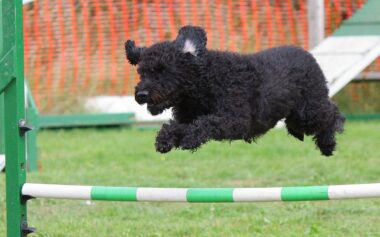
Setting up dog agility nets is an essential task for enhancing your dog’s training experience. The first step is to choose a suitable location that is spacious and safe, away from distractions. Ensure the area is clear of obstacles such as rocks or debris. A flat, grassy field can provide a forgiving surface for your dog to run and jump. Next, consider the type of agility nets you’ll be using. You can opt for collapsible nets that are easy to store or sturdy models designed for permanent setups. Once you have them, assemble your agility nets according to the manufacturer’s instructions. Familiarize yourself with the components, ensuring that each part is correctly fitted and secured. Check for any sharp edges or hazards that could cause injury. Additionally, incorporating proper training techniques while using agility nets is paramount to success. Gradually ease your dog into the training session, starting with simple jumps and allowing them to build confidence over time. All these steps contribute to a successful agility training experience for both you and your dog, fostering a healthy and active lifestyle.
The next phase involves teaching your dog to navigate through the agility nets. Begin by allowing your dog to explore the setup without any pressure. Encourage them to sniff the nets and get comfortable with their presence. Utilize positive reinforcement techniques, such as treats and praise, to motivate them. Gradually introduce the concept of jumping or weaving through the nets, starting with one at a time. Use a leash initially if necessary, guiding your dog through the nets gently. Keep the training sessions short and fun to maintain your dog’s interest. Always pay attention to your dog’s body language; if they seem hesitant or overwhelmed, it may be necessary to take a step back and revisit earlier steps. Consistency is essential when training. Schedule regular sessions throughout the week, gradually increasing the complexity as your dog becomes more proficient. You can also invite friends or family to observe your training; this social interaction can become a rewarding experience. Additionally, incorporate fun elements by mixing agility nets with other equipment, like tunnels or jumps, to create a diverse and engaging training environment.
Safety Precautions
Safety should always be a priority when setting up dog agility nets. Ensure that the nets are securely anchored to prevent tipping over during your dog’s activities. Anchor them with weights if necessary, particularly in windy conditions. Always inspect the equipment for any signs of wear or damage before use. Any frayed edges or loose components can pose a risk to your dog’s safety. Be wary of the surface beneath the nets as well; grass is safer than hard surfaces, which can lead to injuries during falls. It’s also wise to keep veterinary information easily accessible in case of emergencies. Training should take place in moderate weather, avoiding extreme temperatures that can adversely affect your dog’s performance and health. Hydration is crucial, especially after energetic sessions, so keep fresh water available. When introducing your dog to the agility nets, avoid pushing their limits and watch for fatigue. Know the signs of over-exertion: heavy panting, reluctance to continue, and loss of interest. Always end sessions on a positive note, so your dog looks forward to the next training opportunity.
Incorporating agility training into your dog’s fitness routine can have numerous benefits. Agility training promotes physical health by improving your dog’s coordination and balance. By engaging them in such exercises, you are helping to burn off excess energy, combatting potential behavioral issues stemming from boredom. Furthermore, agility training enhances the bond between you and your dog through teamwork and communication. As you both learn to navigate the nets and tackle challenges together, your trust and understanding grow. This bond makes the training process enjoyable and fulfilling for both parties. Additionally, agility training can boost your dog’s mental acuity. Learning new skills and engaging in strategies to overcome obstacles stimulate cognitive functions, keeping their mind sharp as they age. As your dog masters the agility nets, you may find they become more focused during other training exercises. This newfound discipline can improve overall obedience and responsiveness. Lastly, consider participating in local agility competitions. They can provide an incredible outlet for your dog’s skills while allowing you both to connect with other dog lovers passionate about agility. This social aspect adds fun to an already enriching experience.
Common Equipment Mistakes
As you embark on your dog agility journey, being aware of common equipment mistakes can save you time and frustration. One prevalent mistake is choosing the wrong type of net for your dog’s size and skill level. Always opt for adjustable agility nets that can accommodate your dog’s height, allowing progression as they improve. Another common error is neglecting the layout of your training area. Ensure that the nets are positioned in a manner that allows ample space for your dog to run safely. Crowding equipment can lead to accidents or hinder your dog’s performance. Additionally, always use durable materials that can withstand your dog’s energy and enthusiasm. Invest in high-quality nets specifically designed for agility training, as they are built to endure rigorous activity. Failing to sanitize the training area can also pose problems. Regularly clean and maintain equipment to prevent the growth of bacteria that can lead to infections, especially in higher foot traffic areas. Finally, remember to practice patience when dealing with your dog’s learning process. Rushing them can create anxiety and diminish the excitement associated with agility training, leading to poor experiences.
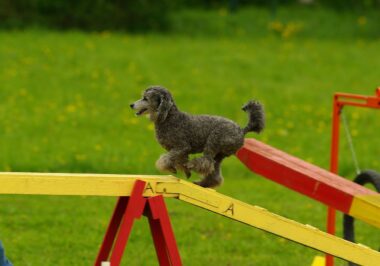
Once your dog is successfully navigating agility nets, consider introducing additional challenges. You can set up variations in the course, creating different patterns and pathways that require unique skills. This diversity allows your dog to gain experience in handling various situations, enhancing their adaptability. Experiment with speed and timing, encouraging your dog to complete courses with precision and fun. You can also add other agility equipment like jumps, tunnels, or weave poles, creating a comprehensive setup that tests multiple skills. Mixing different types of obstacles keeps the training sessions engaging and rewards your dog’s hard work, fostering motivation. As your dog becomes more confident, consider organizing playdates with other dogs to practice agility together. This social interaction provides an enjoyable atmosphere where they can learn from peers while enhancing skills. Another fantastic idea is to capture your training on video! Filming your sessions can provide insights into your dog’s progress, allowing you to observe areas in need of improvement and celebrate their successes. Consider sharing your videos online with friends or dog training communities for feedback and encouragement.
Conclusion
Setting up dog agility nets is not only a fun training opportunity, but it also plays a key role in your dog’s overall health and happiness. Follow the outlined steps to create a safe and structured environment for your furry friend. Consistent practice, a variety of challenges, and a focus on safety are paramount to ensuring a rewarding experience. As your dog masters the skills needed for agility training, the benefits extend beyond physical fitness. Improved mental stimulation, stronger bonds, and enhanced communication all make agility training a worthy investment. You will notice behavioral improvements in your dog, creating a more obedient and engaged companion. Moreover, participating in agility events can offer unique adventures for both you and your dog, contributing to a well-rounded lifestyle. Stay positive throughout the process, acknowledging both small and large victories along the way. Remember, this training journey is about creating enjoyable memories with your dog. With patience and dedication, you’ll not only develop your dog’s agility skills but also enrich their lives and yours significantly. Together, you’ll embark on an exciting journey that leads to a happier, healthier canine companion.
Lastly, it’s important to maintain a supportive community as you delve into the world of dog agility. Connecting with other dog owners can provide you with valuable insights and tips from those who have experience. Engaging with online platforms, forums, or local training groups can foster motivation and camaraderie. Sharing your progress and challenges can lead to friendships while gaining advice on best practices in agility training. You can also attend workshops and seminars to enhance your techniques and learn from professionals. They can inspire new ideas and methods for improving your agility training setup, ensuring that you provide your dog with the best possible experience. Remember, training should be an enjoyable journey for both of you; maintaining a sense of fun is crucial. Enhancing your dog’s agility nets experience can create lifelong memories that build on the bond of companionship. Every jump and weave brings excitement and joy, making the training process deeply fulfilling. In conclusion, a well-structured agility training plan, complemented by safety, challenges, and community support, guarantees that both you and your dog will thrive and flourish in the agility journey ahead.