
When to Seek Professional Help for Dog Aggression
Understanding aggression in dogs is essential for effective socialization. Some dogs can exhibit aggressive behavior during interactions with other dogs, which is concerning. This aggression might stem from fear, lack of socialization, or territorial instincts. Recognizing the triggers of your dog’s aggression is important. If your dog reacts aggressively towards other dogs or people, it may be time to seek expert help. Not all aggression is the same, and identifying whether your dog is simply afraid or genuinely aggressive can be challenging. Understanding the nuances of canine behavior is crucial. Consulting a professional can provide you with tools to improve your dog’s social skills and reduce aggression. Types of aggression include fear-based, leash reactivity, and possessive aggression. Each type needs tailored approaches for effective management. Consult a trainer who specializes in aggression can provide insights on specific techniques. Early intervention is essential to prevent escalation. If you observe repeated aggressive responses in various scenarios, it may warrant professional assessment. A behaviorist can conduct a comprehensive evaluation to develop a customized plan for training and socialization to manage and alleviate aggression in your dog.
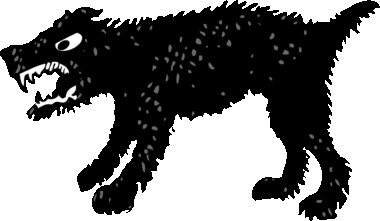
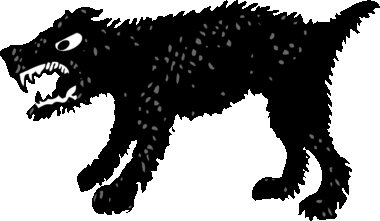
Recognizing signs of aggression is important for intervention. Dogs may show aggression through growling, snapping, or lunging, which indicate discomfort or a threat perception. Keep in mind, understanding the root of aggression is vital. For example, fear-based aggression requires different handling than territorial aggression. Signs of aggression can also include intense barking or a stiff stance. Identifying aggressive behaviors early allows for prompt action. If your dog exhibits signs of aggression during socialization, it’s crucial to address the issue carefully. Avoiding these scenarios altogether may make the problem worse. It’s advisable to consult with a qualified trainer or behaviorist if aggression persists. Seek assistance from a trained expert to guide you through the available options. Additionally, effective training involves patience, consistency, and positive reinforcement methods. These strategies can help reshape your dog’s reactions during social scenarios. Remember, interventions should never involve punishment, as this can increase aggression. Instead, focus on gradually exposing your dog to various social situations. Consistent training and emotional support will foster a safer environment for you and your furry companion. Monitoring your dog’s progress during these interactions is equally important to ensure improvement.
Specific Situations Requiring Help
There are certain situations where seeking help becomes imperative. For instance, if your dog has bitten another dog or a person, immediate professional intervention is necessary. Such incidents can escalate and become a serious risk for everyone involved. It’s crucial not to ignore these signs, as they indicate deeper behavioral issues that need to be addressed. Dogs that show consistent and uncontrollable aggression require an expert’s knowledge to navigate the management of their behavior effectively. Another situation is if your dog becomes overly reactive during walks or when encountering other dogs. This can lead to dangerous scenarios both for your dog and others they encounter. In scenarios of leash reactivity, dogs may feel constrained leading to uncharacteristic aggressive behaviors. Furthermore, if the aggression is causing significant stress within your household, professional guidance is essential. Dogs living in homes with multiple pets or children may pose unique challenges. An expert can recommend tailored strategies that fit your household’s dynamics. In such cases, early intervention can prevent the escalation of aggression and ensure a harmonious household, making support crucial for successfully navigating these situations.
In addition, aggression during encounters in dog parks is another clear sign that professional help is needed. If your dog frequently engages in fights or displays aggressive behavior, this situation becomes more alarming. It’s essential to monitor your dog’s behavior in social settings to avoid dangerous outcomes. If your dog consistently escalates aggression, especially in these group settings, it indicates the need for urgent help. A dog that struggles to coexist with other dogs risks its socialization and well-being. Pulling your dog out of these situations might seem easier, but without intervention, aggressive behavior can perpetuate. Seeking professional help provides you with a structured approach to tackle these issues constructively. A professional trainer can offer precise methods of intervention through gradual exposure and desensitization exercises. Effective management leads to improved interactions and a more supportive environment for socialization. Engaging in structured environments like classes can foster healthy behaviors. Remember, ensuring your dog feels secure and confident plays a crucial role in reducing aggressive tendencies, leading to positive experiences in social scenarios.
Understanding the Role of Training
Training plays a critical role in addressing aggression during socialization. A professional can create a personalized training plan that incorporates positive reinforcements and behavioral modifications. Training aims to reshape your dog’s perception of social interactions, showing them that socializing can yield positive outcomes. Expect the training to require time, as modifying aggressive behavior does not occur overnight. Consistent practice and reinforcement are necessary throughout this process, focusing on building trust between you and your canine companion. Experts often recommend gradual exposure techniques, introducing dogs to new environments slowly to avoid overwhelming them. This gradual approach helps reduce fear and anxiety, vital components in managing aggression. Incorporating interactive games and exercises can also promote positive associations with social scenarios. Expect to participate actively during this training, as your engagement can significantly impact your dog’s progress. Ensuring your dog associates friendly behaviors with rewards encourages them to respond better socially. Additionally, avoid creating situations where your dog feels threatened, opting for controlled environments where positive interactions can thrive. Collaborating closely with a trainer enables you to recognize subtle cues that could lead to aggressive responses, allowing for proactive adjustments.
Moreover, establishing a consistent routine and environment is crucial for reducing aggression. Maintaining predictable circumstances enables your dog to feel secure, which curtails anxiety triggers. Familiarity with daily routines enables dogs to understand when and where interactions will occur. Engagement in regular socialization activities will also help reinforce positive behavior. Regular outings in controlled conditions, for example, can naturally support decreased aggression over time. Pairing these outings with commands reinforces good behavior. Equally important is ensuring your dog receives sufficient mental and physical stimulation to prevent boredom-related aggression. Satisfying a dog’s need for exercise encourages better behavior during social interactions. In cases where you’re struggling, do not hesitate to reach out for help. Your commitment to your dog’s well-being and the safety of others requires immediate attention. Along the journey, understanding and patience from both the owner and the dog’s perspective are key components. Fostering a positive atmosphere reaps long-term benefits in alleviating aggression. Ultimately, your dog’s socialization success hinges on continuous cooperation and understanding. Remember to celebrate small victories and maintain a growth mindset throughout your training journey.
The Importance of Following Up
Lastly, following up with a professional after initial training is critical to ensure progress. Regular evaluations help identify any ongoing issues or necessary adjustments to the training plan. Continuous support allows you to adapt strategies that cater to your dog’s evolving behavior. Engaging in refresher courses can greatly benefit the long-term management of aggression. Keeping interactions fresh and stimulating reduces the risk of complacency, allowing learned behaviors to thrive. Regular follow-ups ensure that you and your dog are on the right path. It’s common for dogs to experience regression with changing circumstances, so being proactive is prudent. Additionally, fostering a support network of fellow dog owners facing similar challenges can provide encouragement. Sharing experiences and strategies enhances your dog’s progress while helping you feel supported during this journey. Consider joining groups or forums dedicated to dog behavior for ongoing support. Documenting progress is beneficial too; it allows you to track improvements, setbacks, and recovery over time. You can adjust strategies as necessary, ensuring a dynamic approach to your dog’s socialization and aggression management journey, ultimately leading to improved interactions.
In conclusion, seeking professional help for aggression during socialization is vital to ensure safety for everyone involved. Being proactive in addressing aggression creates a healthier and happier environment for your dog. Understanding the various types of aggression is critical in determining the necessary steps for intervention. No one should navigate the challenging waters of dog behavior alone. The collaboration between the owner and a qualified trainer enables effective management. With proper guidance and a structured action plan, you can witness significant behavioral improvements. The overall goal remains simple: achieving better social interactions through dedicated training. Building confidence in your dog guarantees not only safer environments but also a happier state of mind. Remember that success may be gradual, but every bit of progress is valuable. Utilize the array of resources at hand, and don’t hesitate to ask for help when needed. Continuously educating yourself about canine behavior fosters an understanding that benefits both you and your dog. Socialization is a lifelong process, and commitment to learning can lead to rewarding experiences. Ultimately, the journey towards effective socialization and aggression management is one worth pursuing for the sake of your furry companion’s well-being.