
Maintaining Your Dog’s Hydration When Exercising Outdoors
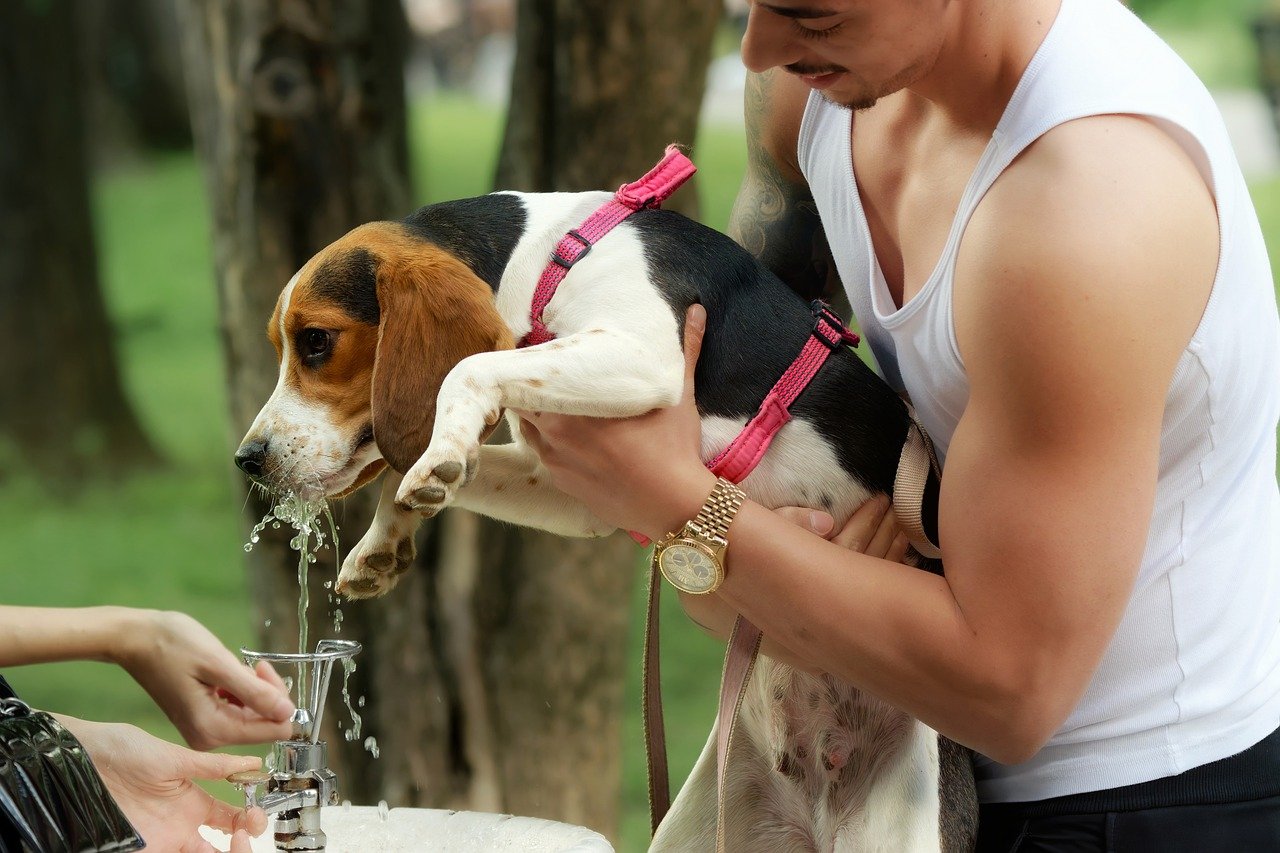
As you prepare for outdoor activities with your dog, keeping them hydrated is essential for their health and energy. Dogs can easily become dehydrated, especially during warm weather or strenuous exercise. Understanding their hydration needs helps prevent health issues that could arise from dehydration. Always carry water with you when heading out for walks or playtime at the park, and be aware of the signs of dehydration in your furry friend. Encourage your dog to drink water before, during, and after exercise to maintain proper hydration levels. Besides, choose appropriate times for walks, avoiding peak heat hours, to protect your dog’s well-being. Monitor the temperature and humidity. When it’s too hot, consider shorter play sessions or shaded areas where your dog can relax. To aid hydration, you can also use dog-friendly water bottles or portable water bowls, making it easier to keep your pet refreshed. Additionally, always provide fresh water at home after exercise, so they’re encouraged to drink more during recovery. This attention to hydration ensures your dog remains healthy and ready for their next adventure.
Water intake is critical during exercise to maintain optimal performance and avoid fatigue or overheating. Dogs, like humans, can suffer from heat exhaustion, especially when engaging in vigorous activity. Pay attention to your dog’s behavior during exercise, and consider factors impacting their hydration needs, such as their age, size, and health conditions. If your dog is older or has underlying health issues, consult with your veterinarian regarding exercise and hydration needs. Reinforce positive drinking habits by encouraging your dog to take breaks during long walks or runs, allowing them to drink water. Moreover, be aware of the amount of fluid your dog needs can vary significantly. You can calculate an approximate need based on their weight. As a general guideline, dogs require about one ounce of water for every pound of body weight per day. During exercise, especially in hot conditions, this demand can increase significantly. Hydration is also influenced by their diet; when feeding dry kibble, they may require more additional water compared to a wet food diet. Understand your dog’s individual hydration milestones.
Incorporating hydration-friendly snacks into your dog’s diet can encourage them to drink more water while they’re active. For instance, you can consider hydrating treats like water-rich fruits, such as watermelon and cucumbers. These foods not only provide hydration but are also low in calories and packed with beneficial nutrients. Additionally, some dog food brands formulate their meals with higher moisture content, making them excellent for hydration. You can also freeze low-sodium broth into cubes and offer them as cool snacks on hot days. Always introduce new food items gradually to monitor for any allergies. Be cautious and avoid foods that are toxic to dogs, such as grapes and onions. Remember that the weather plays a crucial role in hydration; warmer temperatures can result in increased water needs. Make it a routine to offer water during regular breaks and recognize when to add extra hydration provisions, such as cooling vests or shaded rest spots. Tailoring these needs ensures not only hydration but also safety as you embark on outdoor adventures together.
Recognizing Dehydration Symptoms
Being aware of the signs of dehydration is imperative for dog owners, especially during outdoor activities. Symptoms may vary, including excessive panting, lethargy, dry gums, and loss of elasticity in the skin. Frequent urination or decreased urine volume could also indicate hydration issues. Keep an eye on your dog’s energy levels; if they seem unusually tired after moderate activities, it may be time for rehydration. Another important indicator is the color of their urine; dark yellow urine suggests dehydration and requires immediate attention. In severe cases, dehydration can lead to further complications, including heatstroke, a serious condition that can be life-threatening. If you suspect your dog is dehydrated, provide access to clean, cool water immediately and allow them to drink freely. Additionally, monitor their recovery; if symptoms persist despite hydration efforts, consult your veterinarian for a thorough evaluation. Take proactive steps by ensuring your dog has access to water, avoiding hydration-related health risks during exercise. Recognizing these symptoms signifies your responsibility as a pet owner, prioritizing their health and happiness.
To further enhance your dog’s hydration during exercise, explore alternative hydration methods that suit your lifestyle and your dog’s preferences. Portable water bowls designed for walking and running can make it easier to keep your dog hydrated wherever you go. Opt for collapsible bowls that conveniently fit into your backpack or pocket, making it simple to pour water as needed. Moreover, you could invest in a travel water bottle that includes a built-in bowl, allowing your dog to drink whenever opportunity arises. These practical solutions enable consistency when hydrating your dog despite being on the move. Also, consider investing in cooling bandanas or jackets that wick away heat from your dog’s body, thus regulating their temperature. These items won’t directly hydrate your dog but will help maintain comfort during physical activities. If you find that your dog enjoys interactive play at water locations like lakes or streams, introduce them to swimming as an enjoyable way to cool down while exercising. Always supervise them, watch for signs of fatigue, and guide them safely throughout their activities.
Post-Exercise Hydration Practices
After exercising, it’s crucial to reinforce hydration habits, ensuring your dog fully replenishes lost fluids. Providing water immediately post-activity helps in recovery and enhances digestion while preventing potential gastrointestinal issues. A great practice is to gradually offer small amounts of water instead of overwhelming them with large quantities at once. Gradual drinking can be especially beneficial after vigorous activities or hot weather exercises. If your dog refuses water, various strategies, such as offering ice cubes or mixing water into their meals, can entice them to drink more effectively. Remember that frequent hydration becomes more critical after strenuous exercise sessions, as dogs lose fluids through panting and sweating. You can also monitor their weight before and after activities as an indicator of hydration levels; significant weight loss could imply excessive fluid loss. In consideration of their overall needs, consult your veterinarian for tailored recommendations that align with your dog’s lifestyle, age, and health factors for optimal recovery. Taking care during these phases ensures a happy, hydrated canine companion ready for future activities.
The importance of hydration during your dog’s outdoor adventures cannot be overstated. By understanding your dog’s hydration needs, preemptive measures can help mitigate health risks associated with dehydration. As a responsible pet owner, you play a crucial role in keeping your dog hydrated through engaging strategies, mindful practices, and observation of their needs. Invest time learning about proper hydration tactics that suit your dog’s exercise habits while adjusting for different temperatures and humidity levels. Maintaining your dog’s hydration requires ongoing commitment, from choosing when and where to exercise to the right forms of encouragement, including treats and portable water solutions. Lastly, never underestimate the role of your dog’s environment; frequent access to clean water and shade can make a significant difference in their hydration levels. Your care helps establish a healthy, vibrant lifestyle for your dog, promoting overall well-being and longevity. Therefore, ensuring adequate hydration during outdoor activities reflects your dedication to exercising responsibly and caring for your pet’s immediate hydration needs.