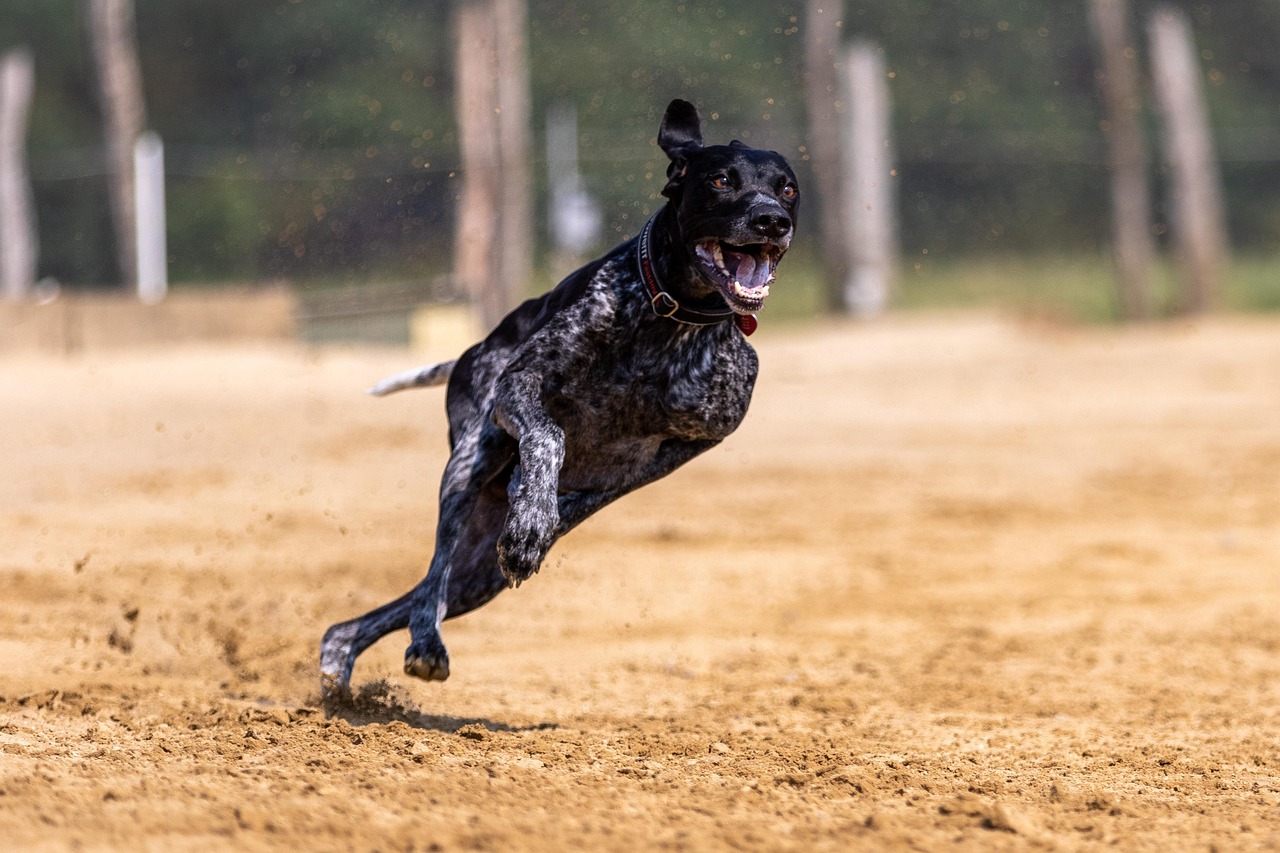

How Dog Trainers Use Socialization and Sports Together
Dog trainers often emphasize the importance of socialization within canine sports. Socialization generally helps dogs become more well-adjusted and confident in various environments and situations. When dogs learn to interact positively with other dogs, they also develop essential skills for sports. Training these skills often involves both structured and unstructured play, providing opportunities for dogs to engage with their peers. Additionally, the bond formed during sports activities can enhance a dog’s trust in its owner, making the dog more receptive to commands. Trainers use various techniques to encourage healthy socialization practices, such as organizing playdates or working with controlled introducing mechanisms. The goal is to ensure dogs feel comfortable and excited about being around others. Incorporating these socialization elements into sports helps dogs learn vital skills that are not only used during training but also translate to everyday interactions. Furthermore, positive experiences build a dog’s confidence, reducing anxiety and fear in social situations. Hence, the blend of socialization and sports cultivates a well-rounded canine companion. Understanding the intersection of these two areas is vital for both trainers and dog owners in maximizing a dog’s potential.
Socialization in training prepares dogs for various competitive sports. This preparation is critical as it introduces them to elements like sound, agility, and teamwork concepts. Canine sports often require dogs to perform under pressure and in challenging environments, which can be daunting without prior socialization. Engaging dogs in sports helps build resilience along with honing their competitive instincts. Dog trainers utilize techniques like agility courses to enhance both physical conditioning and social interaction. These techniques not only teach obedience but also how to navigate distractions commonly found in social settings. Trainers also focus on pairing individual dogs with others of similar skills to promote camaraderie. Social events or group classes can foster a fun environment where dogs can socialize while mastering sport skills. Through these interactions, dogs learn to respond appropriately to different cues and distractions, further solidifying their ability to perform during competitions. As they practice, they build relationships with trainers and fellow participants. Consequently, these relationships create safe spaces to express themselves, leading to remarkable sportsmanship in dogs. The ensuing bonding experience is not only beneficial to dogs but is vital for creating a strong community among dog handlers.
The Role of Play in Socialization
Play is one of the most effective methods of teaching socialization to dogs. Dog trainers incorporate various types of play to encourage dogs to interact with each other positively. Play allows dogs to learn important social cues, such as body language and vocalizations. Engaging in games, like tug-of-war or fetch, helps familiarize dogs with handling equipment and the nature of competition. Trainers carefully observe interactions during play sessions, adjusting their input as necessary to ensure positive experiences. If a dog shows signs of anxiety or stress, trainers can intervene and provide necessary guidance, reshaping the experience into something constructive. This not only aids in building confidence but teaches dogs how to deal with various stimuli they may encounter during competitive events. Furthermore, trainers structure play activities to facilitate controlled challenges, fostering successful resolution strategies for resolving conflicts among dogs. As dogs succeed in overcoming minor challenges, they develop a sense of achievement that translates into more significant and competitive contexts. Thus, play is essential in developing social skills while also preparing dogs for the demands of canine sports.
Canine sports also require dogs to adapt to teamwork, making socialization crucial. Many sports, such as obedience or canine freestyle, involve working closely with a handler. Fostering a relationship of trust and communication becomes essential. A well-socialized dog is more likely to respond positively to commands in high-distraction environments. During training sessions, trainers regularly practice one-on-one sessions but gradually incorporate peers to simulate competitive conditions. As they participate in these environments, dogs learn to respect the personal space of others, which is non-negotiable during competitions. Performance under pressurized environments often makes or breaks success in sports. A dog that has had comprehensive socialization tends to perform better due to its ability to focus amidst distractions. The rationale supports why trainers emphasize positive interactions between dogs, handlers, and even spectators during practices. By creating a familiar yet challenging environment, dogs can learn more effectively. Consequently, socialization paves the way for better performance outcomes in canine sports. Dogs that are accustomed to various social situations are more robust competitors and demonstrate enhanced teamwork abilities, invaluable in the world of dog sports and training.
Addressing Behavioral Issues
Inconsistent behavior can be a significant hurdle in dog training. Socialization helps address these behavioral issues that often arise in various situations. Trainers observe and assess dogs’ behaviors through socialization experiences, identifying patterns that result in undesirable traits. An overreactive or undersocialized dog can develop issues like fear or aggression, which can negatively impact canine sports engagement. Trainers may implement desensitization techniques within social contexts to help dogs adjust comfortably. By slowly exposing dogs to environments associated with their fears, trainers can mitigate adverse reactions in competitive scenarios. For example, if a dog displays anxiety towards unfamiliar dogs, gradual exposure through controlled interactions can lead to improvements. Trainers create strategic exposure plans, carefully monitoring the dog’s reactions and tailoring experiences as they progress. Such plans allow for a safe atmosphere, fostering positive behaviors. Implementing consistent training along with socialization can help correct undesirable behaviors and cultivate enthusiasm for participation in sports. As dogs become more reliable and confident, they are better prepared to perform successfully. In summary, tackling behavioral issues through socialization is a vital component of a holistic training approach.
Adequate socialization through sports also aids in developing a dog’s emotional intelligence. Understanding emotions is essential for interaction with both human and canine companions. As dogs work together in sports activities, they learn to read emotions through body language expressed by their handlers and fellow dogs. This emotional connection fosters a sense of responsibility and empathy among participating dogs, positively affecting their overall behavior. Trainers often guide dogs in recognizing specific cues that indicate the moods of their peers. Engaging dogs in sports creates situations where they must respond to varying levels of energy and emotions. This ability not only builds attributes like patience and resilience but also strengthens the bond between the dog and its handler. An emotionally intelligent dog can better handle high-pressure competition worlds, responding adeptly to varied stimuli. Furthermore, heightened emotional intelligence positively impacts day-to-day interactions with humans, making dogs more adaptable in various settings. By fostering these essential emotional skills, trainers significantly enhance the overall training experience. Thus, the role of sports in socialization transcends beyond competitions, impacting everyday relationships.
Conclusion and Final Thoughts
Integrating socialization with canine sports builds a comprehensive training approach. It not only enhances the skills needed for competition but also nurtures emotional and social growth. Dog trainers recognize the importance of fostering positive interactions among dogs and handlers, using sports as a medium to achieve broader goals. The benefits of socialization extend beyond the competitive arena, influencing how dogs navigate their world. The consistent practice of both socialization and sports ultimately leads to well-balanced dogs capable of confidently engaging with various stimuli. When dogs feel safe and secure in diverse environments due to their training, they are more eager to participate. These aspects support success in both casual and competitive settings alike. A dog’s confidence nurtured through socialization translates remarkably into improved performance in sports. Trainers and owners alike play pivotal roles in reinforcing these principles. By carefully crafting training experiences that fuse socialization with sports, handlers can foster not just skillful competitors but well-rounded canines that excel in all aspects of life.
By creating supportive environments and ensuring positive experiences, trainers pave the way for dogs to thrive in both sports and social situations. It is a holistic endeavor that emphasizes their emotional and physical well-being. As the canine community continues evolving, understanding the interconnectedness of sports and socialization remains vital for dog trainers and owners. Through dedicated training combined with collaborative efforts, we set up dogs for successful outcomes in every realm of their lives.