
Caring for Natural Material Dog Toys: Cleaning and Maintenance Tips
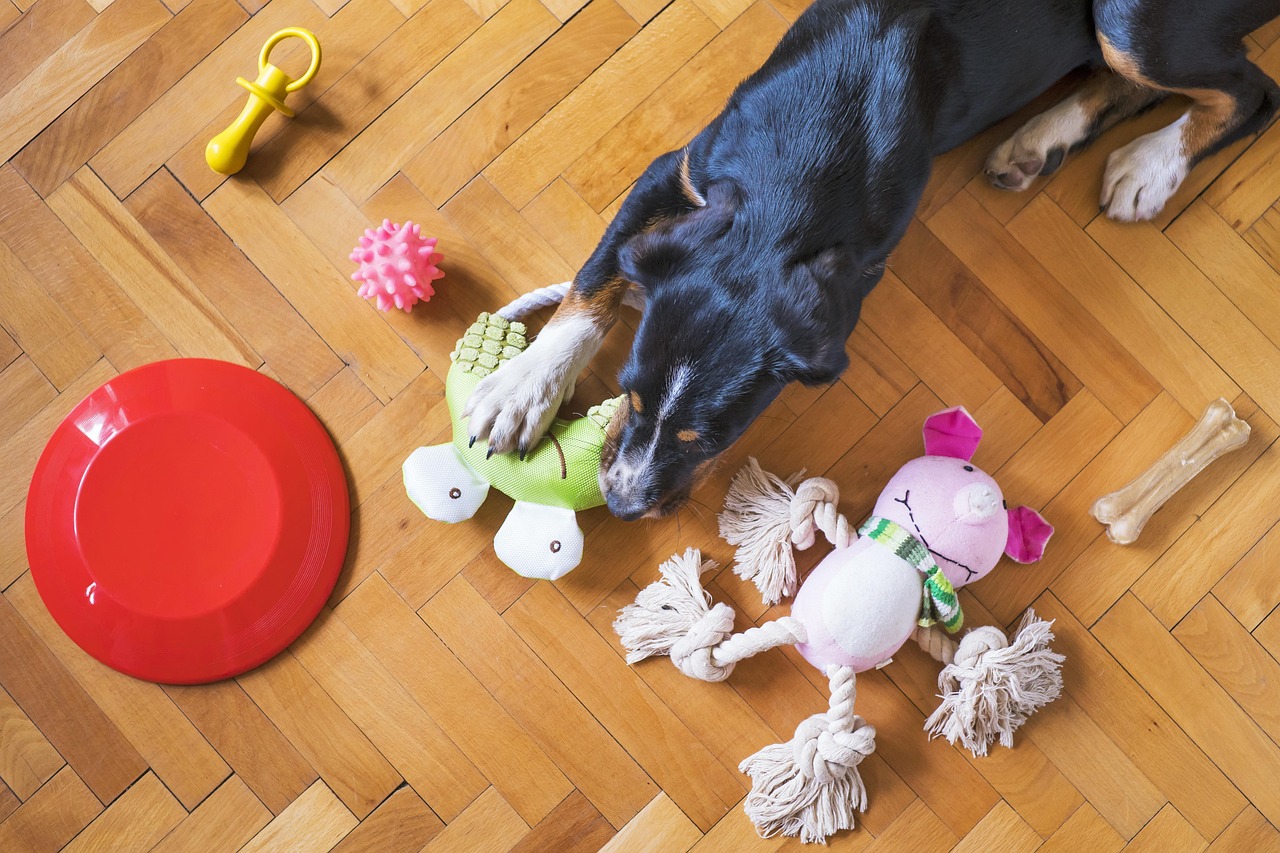
Natural material dog toys are an excellent choice for pet owners looking to provide their furry friends with safe and environmentally friendly playthings. To ensure these toys last and remain safe, regular cleaning is essential. You should start by inspecting the toys for any signs of damage or wear. Damaged toys can pose risks such as splinters or choke hazards, making it imperative to check thoroughly. Another crucial step is to identify the type of material each toy is made from. Different natural materials require specific cleaning methods, so knowing this can save time and improve effectiveness. Most often, wooden or cotton toys can be sanitized with soap and water, while rubber toys may just need a rinse or wipe down with a damp cloth. After cleaning, allow the toys to dry completely before giving them back to your dog. This prevents mold and bacteria growth, ensuring a healthier play experience. Moreover, observe how your dog interacts with the toys during playtime and replace any toy that shows signs of breaking down to keep your pet safe during play.
Best Practices for Washing Natural Material Toys
When it comes to maintaining the hygiene of natural material dog toys, using natural, non-toxic cleaning agents is advisable. Harsh chemicals can be harmful to dogs; thus, opt for mild soaps or even vinegar and baking soda. These natural cleaners effectively remove dirt and grime without risking your dog’s health. Additionally, you should never use bleach or similar strong cleaners, as they can leave harmful residues. A gentle approach works best, so consider soaking toys in a solution of warm water and mild soap for at least 10-15 minutes before scrubbing. Utilize a soft-bristle brush or cloth to clean, focusing on areas where dirt tends to accumulate. Rinse the toys thoroughly after washing to ensure no cleaning product remains. After they’re cleaned, you can air dry them outside to get rid of any bacteria. Also, storing toys properly is vital. Do not leave them outside; instead, keep them in a dry, clean area to extend their lifespan and reduce the likelihood of mold growth.
One effective way to ensure your dog’s natural material toys remain both safe and engaging is by routinely rotating them. Dogs can become bored with the same toys, which may lead to destructive behavior. So, consider setting a schedule for rotating dog toys every week or two, making some accessible while storing others away. This not only keeps things fresh and exciting but also allows you to verify the condition of each toy during the rotation. Moreover, observe how your dog engages with each toy. This can help in determining if a specific toy is a favorite or if certain types are more appealing for your pet. Also, your observations may indicate which toys require replacement due to wear and tear or insufficient interest. Regular rotation also minimizes the gathering of dirt and grime since toys left out for extended periods may accumulate more dirt. Hence, it facilitates easier cleaning with less effort overall, empowering owners to maintain not only hygiene but also a stimulating environment for their playful companions.
As your dog plays with natural material toys, it’s important to keep an eye on them, especially new ones. Monitoring play sessions helps ensure the toys remain intact and safe for continued use. Look for signs of chewing or wear; if any visible damage occurs, remove the toy promptly to prevent any potential harm. Natural materials can break down over time, and staying vigilant about this can help avoid accidents, such as swallowing or choking hazards. Also, investing in high-quality natural material toys can pay off in the long run, as these tend to withstand the vigor of enthusiastic play. While costlier, opting for well-known brands that prioritize safety standards is a good idea. Additionally, consider your dog’s chewing style when selecting toys. Some dogs are aggressive chewers, while others are gentler; knowing your dog allows you to make the best choices. Lastly, consult with your veterinarian or pet store experts for recommendations on durable natural toys suited for your dog’s breed and chewing habits, ensuring you find options that support their well-being.
Tips for Safe Disposal of Old Dog Toys
When the time comes to dispose of old or damaged natural material dog toys, ensure safe and environmentally friendly disposal methods are employed. Dismiss old toys if they are torn, have lost chunks, or have become dirt traps despite cleaning efforts. Tossing these into the regular trash can unfortunately lead to environmental impacts, especially if they are not biodegradable. Research local recycling guidelines as some natural materials can be composted or recycled. For instance, wood toys can often be composted while rubber toys may have recycling options available. If your toy is completely worn out, consider repurposing it into something new, such as turning it into a dog bed or an indoor pillow, promoting sustainability and creativity. Ensure to remove all non-natural components first, like squeakers or plastic inserts, to maintain safety. This encourages a culture of recycling in your household. Make a habit of involving your family in discussions regarding toy disposal, teaching kids about sustainability and the impact of waste on our planet. Such discussions promote awareness and responsibility within the family.
In conclusion, caring for natural material dog toys guarantees prolonged use while maintaining your pet’s health and hygiene. Simple actions like regular inspections, careful cleaning, and proper storage can significantly enhance the longevity of these toys while ensuring your pet remains engaged and safe. Keeping in mind cleaning methods tailored to the specific types of material used in your dog’s toys leads to better outcomes. Careful disposal, along with recycling practices, further underscores your commitment to sustainability. In this journey, remember to engage your dog. Taking an active role by rotating toys enhances their experience and also makes it easier for owners to manage wear and tear effectively. Consulting resources and experts helps to stay informed about the best practices for toy care, enabling pet owners to make educated decisions. Moreover, placing emphasis on using non-toxic materials in toys not only benefits your dog but also contributes positively to the environment. Adopting these careful methodologies not only improves the lifestyle of your dog but enriches your understanding of responsible pet ownership.
Final Thoughts on Natural Dog Toys
Ultimately, the maintenance of natural material dog toys plays a crucial role in supporting your dog’s health and happiness. By focusing on hygiene, durability, and safe disposal practices, you ensure that your pet enjoys a fun and secure play environment. With proper care, these toys will last longer than cheaper synthetic alternatives. This not only saves you money but also reduces environmental waste, aligning with eco-friendly practices. Furthermore, engaging with your dog by selecting toys together can enhance your bond, facilitating mutual enjoyment during playtime. Encourage active play styles that stimulate your pet’s mind and body while preventing boredom. Regularly observe your dog’s interaction with various toys to improve your selections, promoting interest and safety. By sharing knowledge about cleaning and maintenance within your community, you also contribute to a broader understanding of responsible pet ownership. The aim is to create a loving and sustainable environment not just for today but for the future of our furry friends and the world we share. Invest time and effort into these practices, and your dog will reward you with countless moments of joy.
Dogs are a cherished part of our lives, so treating them with care in every way is essential. A focus on selecting, cleaning, and maintaining natural material toys is a worthwhile investment in your dog’s health. Moreover, it reflects a commitment to sustainability as consumers increasingly seek eco-friendly solutions. With an array of options available today, pet owners are encouraged to explore toys made from untreated woods, natural rubber, and organic fabrics. These materials often provide unique textures and experiences that traditional toys cannot match while ensuring that safety remains paramount. Taking the steps outlined in this article fosters a culture of care and responsibility. By practicing careful maintenance and encouraging engagement through play, we can nurture our dogs’ happiness while enhancing the longevity of their toys. As you continue to learn about natural dog toys, share your findings and experiences with other pet owners to amplify the impact. Together, we can promote not just healthier living for our pets but also contribute to a safer and greener planet for future generations. Engaging in responsible pet ownership today ensures a better tomorrow for all pets, reinforcing our role as protectors of our furry companions.