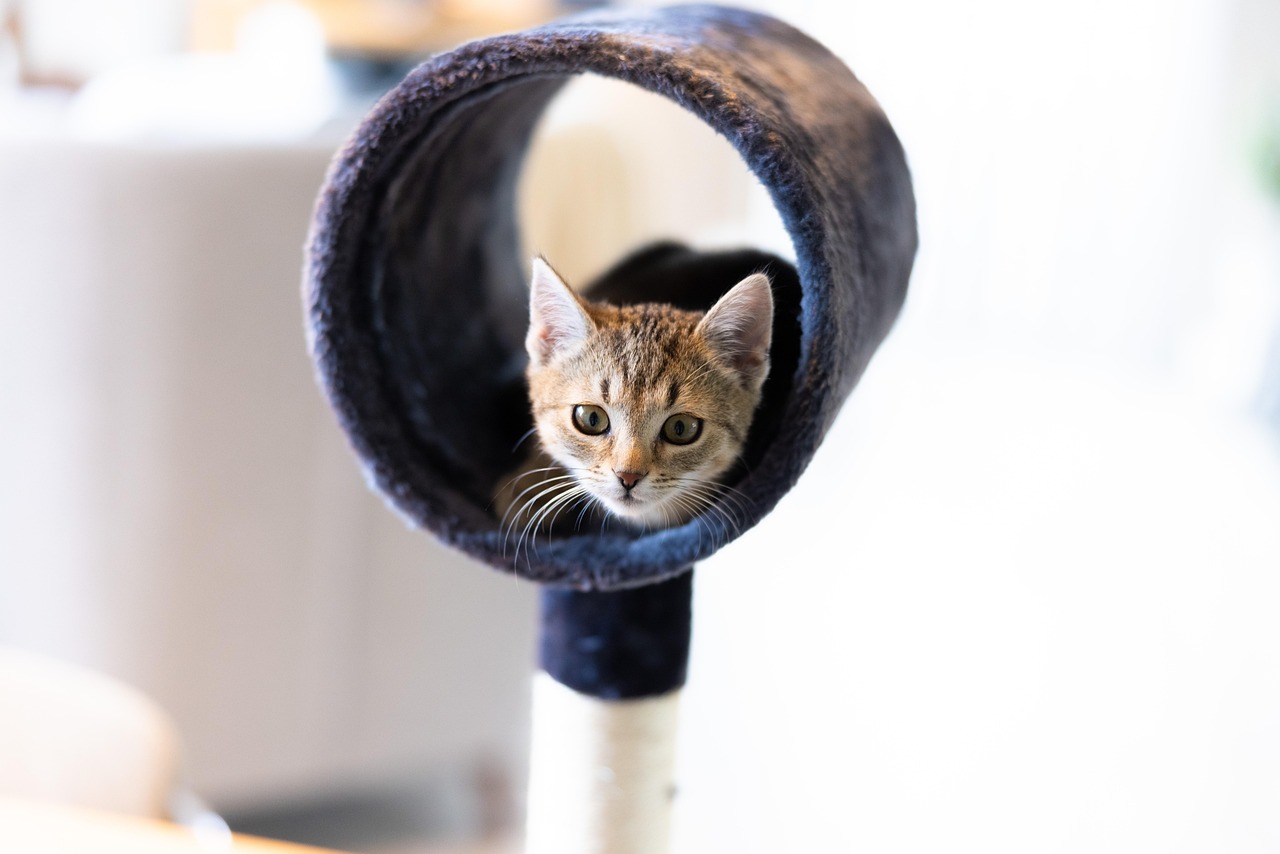

How Interactive Toys Help in Cat Training
Interactive toys play a vital role in cat training by offering mental stimulation and engagement. Cats are naturally curious creatures, and these toys cater to their instincts, encouraging them to explore, hunt, and play. By incorporating interactive toys into your cat’s routine, you promote healthy behaviors and curb destructive habits. Various types of toys, such as automated laser pointers, feather wands, and puzzle feeders, provide different levels of interaction. These toys can be designed for solo play or social interaction, thus appealing to various personalities of cats. The benefits of using interactive toys extend to physical activity as well, promoting exercise that is essential for weight management. Playtime effectively burns off excess energy, leading to calmer behaviors in your feline friend. Moreover, engaging in play has been linked to the reduction of stress and anxiety in cats. Not only does play promote fitness, but it also creates an opportunity for bonding between cats and their owners, enhancing social skills. Over time, consistent use of interactive toys can help reinforce training, establishing routines that your cat will enjoy, leading to a happy, well-behaved pet.
Choosing the right interactive toys for your cat is crucial for successful training outcomes. Consider your cat’s personality, age, and physical abilities when selecting toys. Younger cats tend to be more energetic and may require toys that stimulate their hunting instincts, while older or less active cats might prefer gentler toys that require minimal effort. Here are some popular types of interactive toys you can consider:
- Puzzle feeders: These toys make your cat work for their food, encouraging problem-solving skills.
- Automated toys: Battery-operated toys can move on their own, enticing your cat to chase and pounce.
- Laser pointers: These toys stimulate your cat’s predatory instincts, allowing for great exercise.
- Catnip-infused toys: The scent of catnip can attract and engage your cat, making it more enjoyable to play.
Taking the time to observe your cat’s preferences will ensure successful training sessions, promoting sustained interest in interactive play.
Incorporating interactive toys into training allows for positive reinforcement techniques. When your cat interacts with these toys, it’s essential to reward them for their engagement. Rewards can include verbal praise, treats, or extra playtime. For instance, if your cat successfully solves a puzzle feeder, immediately offering praise or a treat reinforces their accomplishment. This positive association motivates your cat to engage more with the toys, strengthening the training process. Furthermore, the more enjoyable the experience, the more likely they will seek out training exercises in the future. Consistency is key in reinforcing these behaviors, so be sure to regularly incorporate interactive toys into your cat’s training regime. Aim for short, enjoyable sessions rather than prolonged periods that could lead to boredom. As you train your cat, remember that patience is crucial. Each cat will learn at their own pace, so providing a supportive environment is essential for their growth. This approach not only fosters a positive relationship between you and your cat but also enhances their overall behavior and adaptability in various settings.
Benefits of Social Interaction through Interactive Play
Interactive toys provide an excellent opportunity for social interaction between cats and their owners or between multiple cats. Engaging in play together helps reinforce bonds, creating a comfortable and trusting environment. By participating in playtime with interactive toys, owners can gauge their cats’ moods and preferences, allowing for tailored play experiences. Watching your cat explore and interact with toys can be a bonding experience, highlighting their unique personality traits while strengthening your relationship. Furthermore, social play can help manage behavioral issues arising from boredom or anxiety. When cats have the opportunity to interact positively with others, they develop better social skills and become more adaptable to new environments. This is particularly important for multi-cat households where play can foster harmonious relationships. Interactive play also enriches your cat’s life by providing stimulation and challenging them mentally. Consequently, it reduces the risk of behavioral problems and ensures that your cats remain happy and balanced. In this way, interactive toys can be transformative, enhancing both physical and emotional well-being by promoting engaging, social interactions.
In addition to fostering social interaction, interactive toys can also improve your cat’s cognitive skills. Many of these toys involve problem-solving elements that challenge your cat’s intellect and encourage exploration. Puzzle toys, for example, require cats to figure out how to access treats, stimulating their brains and instilling a sense of achievement. As cats interact with these toys, they develop critical thinking skills and learn to experiment with different methods to achieve their goals. This mental workout is essential for their overall well-being as it prevents boredom-related behaviors, such as clawing furniture or excessive meowing. Furthermore, cognitive engagement through play promotes mental agility, which can be particularly beneficial for senior cats. Older felines also enjoy interactive toys but may require gentler challenges. When selecting these toys, consider features that cater to your cat’s specific needs. For instance, toys that make sounds or have multiple channels of interaction can keep cats intrigued. Regularly rotating toys can keep their playtime fresh and encourage continued interest, ultimately enriching your cat’s life and supporting their mental health.
Considerations for Your Cat’s Safety
While interactive toys provide numerous benefits, it is essential to prioritize safety when selecting them. Always observe your cat during play to prevent any potential accidents or injuries. Choosing toys made from durable and non-toxic materials is critical. Ensure that small parts cannot be easily separated and swallowed, as these pose choking hazards. Furthermore, regularly inspect toys for wear and tear, replacing any damaged items immediately. Investing in high-quality toys from reputable brands adds an extra layer of safety. It’s also beneficial to provide a range of toys with varying degrees of interactivity, allowing your cat to choose based on their comfort level. Cats that are more timid may benefit from softer, less stimulating options. Lastly, monitor your cat’s behavior to determine their preferences, and adjust the toys accordingly. Avoid overwhelming your cat with too many choices at once, as this may lead to stress or confusion. Instead, introduce new toys gradually, allowing your cat to acclimate to each one fully. This approach caters to their safety and fosters a positive environment that encourages exploration and play.
Consistency is paramount when utilizing interactive toys in your cat’s training regime. Not all interactive toys are created equal, and opting for those that focus on various skills can add depth to your cat’s training. Incorporating these different types regularly not only helps engage your cat but also allows them to hone various skills through fun play. Track your cat’s progress to determine which toys capture their interest the most. Repetition with the toys they enjoy reinforces positive behaviors during training, letting your cat learn in a relaxed and enjoyable way. Additionally, rotating toys every few weeks can also ensure that their interest is maintained over time. This method prevents boredom, which can lead to disinterest or destructive behavior. Lastly, be patient and adaptable as every cat has unique preferences and training speeds. Enjoy the process of learning together and celebrate your cat’s achievements, no matter how small, to enhance your training bond. Through dedication to consistent and fun play, you will witness significant improvements in your cat’s behavior and training success.
Conclusion: Embracing Interactive Play for Training Success
In conclusion, interactive toys are invaluable for effective cat training. They not only provide mentally stimulating activities but also promote healthy physical exercise. By selecting toys that cater to your cat’s specific interests and preferences, you can significantly enhance your training efforts while forging a deeper bond with your pet. Implementing a regular play routine incorporating your chosen interactive toys ensures continual engagement and reduces behavioral issues stemming from boredom. As your cat becomes more accustomed to these toys, their overall behavior, adaptability, and psychological well-being may improve. Remember that patience and consistency are your allies in training, and celebrating those small victories will create an atmosphere of encouragement for your feline friend. As you embark on this playful journey together, take the time to enjoy the moments of joy and discovery that interactive toys bring. By embracing this engaging approach to cat training, you’re setting the foundation for a happy, well-adjusted cat that thrives both mentally and physically. Your commitment to interactive play is indeed an investment in your cat’s quality of life and happiness.