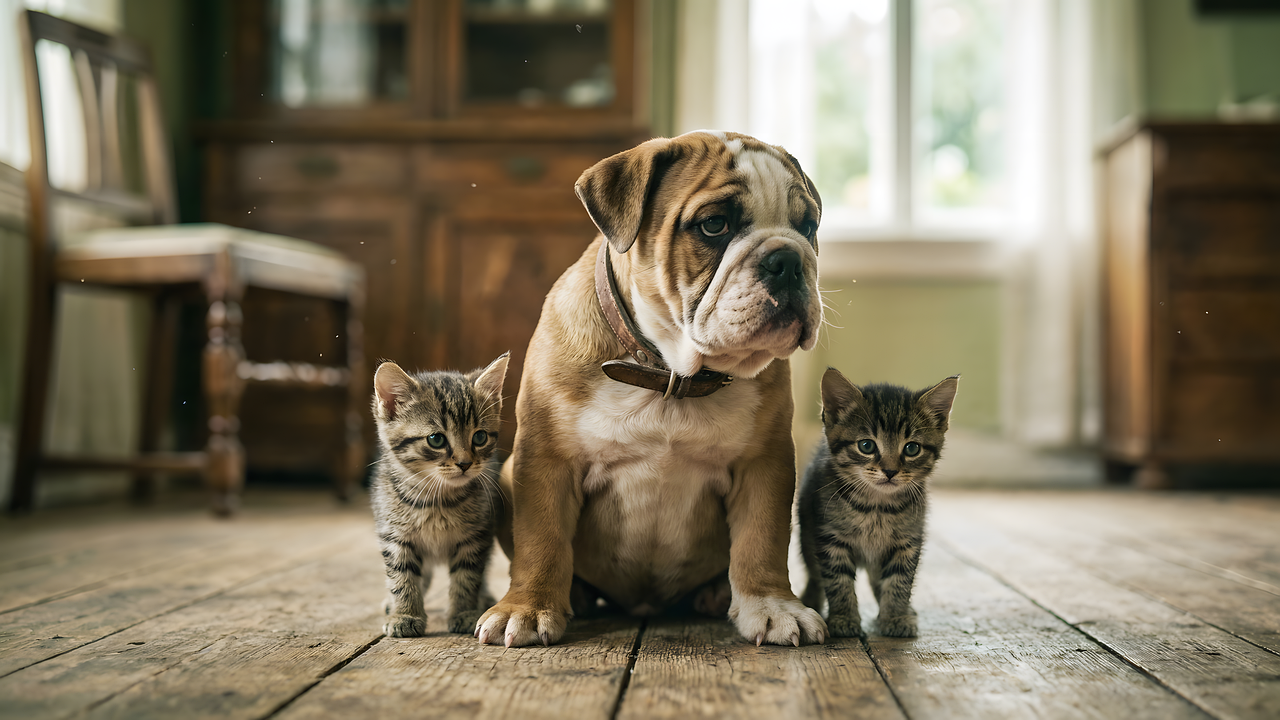

Building Positive Interactions: Socialization Techniques for Kittens
Socializing kittens is critical for developing well-rounded, confident adult cats. The early stages of life are when kittens learn to interact positively with their environment, people, and other animals. During this formative period, typically between two and nine weeks, it is essential to expose them to a variety of stimuli. By socializing your kitten effectively, you can help prevent behavioral issues in the future, such as fearfulness and aggression. Begin the process slowly, providing gentle interactions that do not overwhelm them. Make each encounter positive by using treats or toys to create joyful experiences. Allow them to explore their surroundings at their own pace, ensuring they feel safe and secure while learning about different sounds, sights, and smells. Consistency is key in socialization efforts, so aim to engage with your kitten daily. This doesn’t mean forcing interactions; rather, encourage gradual exposure. The benefits of proper socialization are immense, leading to a well-adjusted pet that integrates smoothly into your family and community. As they grow, routine social experiences will instill confidence in their interactions with other pets and humans alike.
Creating a positive socialization environment involves a few crucial practices when young kittens first arrive in a new home. First, designate a safe space, such as a separate room, where the kitten can acclimate. This controlled area allows the kitten to adjust without feeling overwhelmed by your home’s activity. Familiar objects, like a cozy bed or safe toys, help them become comfortable. Gradually introduce new family members and pets, supervising interactions closely. Make introductions short and sweet, rewarding positive behavior with treats and gentle praise to reinforce their learning. Consider using interactive play sessions to foster bonds, as engaging play can build trust between you and your kitten. Regular exposure to different sounds, like vacuum cleaners or television, also aids their acclimatization. Incorporating the sights and sounds of your home in a gradual manner ensures they recognize these as non-threatening. Another vital aspect of creating a positive environment involves children’s understanding of kitten body language. Teach kids to recognize signs of stress or fear, like flattened ears or hiding behavior, to intervene when needed. Fostering a calm, loving home transforms your kitten into a sociable, happy adult cat in no time.
Understanding the Importance of Early Socialization
Understanding the significance of early socialization in a kitten’s life cannot be overstated. The first few months are when kittens develop critical social skills, which form the foundation for their behavior as adults. Kittens without adequate exposure during this window may develop fear and anxiety around unfamiliar situations and people. It is vital to expose them to a variety of experiences, animals, and people, as this helps them develop crucial coping skills. While it may be tempting to keep them isolated for longer periods, remember that well-adjusted cats are typically friendly and adaptable. Bringing them into various environments starts with short, supervised outings. Introduce your kitten to children, other pets, and even adults of various ages, ensuring that these introductions remain positive. Moreover, remember that experiences should be balanced with plenty of love and attention. If a kitten shows signs of fear during interactions, allow for breaks and provide comfort. The aim is to create secure, enjoyable experiences that encourage positive reactions. Consistent gentle exposure will help your kitten blossom into a confident, well-rounded cat capable of navigating diverse situations.
Positive reinforcement is critical in shaping a kitten’s social behavior effectively. Using treats, praise, and gentle petting can solidify desired behaviors, ensuring successful interactions. When your kitten explores new surroundings or engages positively with others, reward them immediately. This creates an association between the behavior and the reward, laying the groundwork for positive interaction throughout their lives. Include regular playtime, encouraging physical activity, and mental stimulation, which enforces strong connections. Structured play can also ease any aggressive tendencies by giving your kitten a productive outlet for energy. Socialization isn’t just about integrating your kitten with other pets; it involves teaching them how to engage with human companions. start with gentle handling, allowing the kitten to feel comfortable being picked up or petted. Observe their reactions carefully, providing rewards when they respond well. Avoid overwhelming experiences that might invoke fear, and instead focus on building a reliable routine. As the kitten becomes accustomed to social situations, gradually increase the intensity and duration of interactions. Remember, positivity attracts sociability, fostering an environment where your kitten feels safe and eager to connect.
Tips for Successful Interaction
Utilizing effective techniques can significantly enrich your kitten’s socialization journey. Regularly interacting with kittens should involve varied activities that promote confidence and engagement. Utilize tools such as feather wands or balls to encourage play, promoting both their natural hunting instincts and their comfort in your presence. Repeat gentle exposure to new people, allowing your kitten to approach at their own pace. During these sessions, share a treat with the visitor, encouraging positive associations with strangers. Scent is another crucial element; allow your kitten to explore safe scent sources, like your clothing, to facilitate bonding. Gradually introduce them to different animal scents during outdoor walks or visits to friends with pets. Also, leverage safe handling techniques during interactions, such as gentle grooming or petting sessions. Consistent contact encourages trust. Monitor their body language closely for stress signs, allowing breaks as necessary. Keep in mind that every interaction further shapes their social development. Keeping experiences calm and simple will reduce the likelihood of overwhelming your kitten, so enjoy the everyday moments that enhance their confidence as they navigate the world.
Socialization extends beyond human interaction; it involves exposure to everyday occurrences that will surround your kitten throughout its life. Engage them with various stimuli in a safe way, starting with household noises such as kitchen sounds or doorbells. Gradually introduce more complex sounds: a washing machine, thunder, or even children playing outside. Use treats to reward calm behavior as they acclimate to these noises. Objects also play a significant role in their socialization; allow your kitten to investigate different household items like vacuum cleaners or various toys to reduce fear of the unexpected. As they explore, supervise and encourage their curiosity through play and reward systems. If they express fear of an object, do not force them into direct exposure; instead, create distance and gradual reintroduction. Outdoor experiences will also benefit their development; leash training can allow safe exploration of your immediate environment. Always monitor for signs of stress during these outings, reinforcing positive interactions with treats. As kittens learn to navigate their surroundings, their confidence grows, contributing to a well-adjusted adult cat.
Conclusion: Embracing the Journey
Embracing the journey of kitten socialization is vital for raising a happy, healthy companion. Each interaction shapes their understanding of the world, making it crucial to ensure those experiences are positive and enriching. As you guide your kitten through their socialization process, patience, understanding, and consistency will be your greatest allies. Expect setbacks; every kitten reacts differently to socialization experiences, and it’s important to remember that progress may not always be linear. Celebrate small victories as they build trust and confidence, reinforcing their growth over time. Make socialization fun; incorporate play and exploration into every interaction, ensuring they feel secure and valued. Remember to observe their body language, acknowledging their comfort and hesitations. With time, your efforts will be rewarded with a friendly, sociable adult cat who is well-prepared for an array of situations. By investing time in socializing your kitten today, you are fostering a harmonious bond that will enhance your life together. This journey is not only about training but about building a lasting relationship based on love, trust, and mutual respect.