
Grooming Sensitive Areas: Puppy Eye and Face Care
When it comes to puppy grooming, special attention should be given to the sensitive areas around your dog’s eyes and face. Puppies need regular grooming to keep their coats clean and healthy, especially in delicate regions. Breeds with long fur often require more frequent grooming sessions to prevent mats and tangles. As a puppy owner, it’s essential to create a positive experience for your pet during grooming to build trust. Gently introduce your puppy to grooming tools gradually, such as brushes, combs, and wipes. Make it a fun bonding session, incorporating praise and treats for a job well done. Always ensure you have the right tools on hand, like soft brushes suited for sensitive skin, dedicated wipes for cleaning around the eyes, and dog-safe shampoos. Regular eye cleaning can help prevent tears and stains around the face, especially with breeds prone to these issues. Keep an eye on your puppy’s coat and skin condition, watching for any signs of redness or irritation. Early detection of skin problems can lead to quicker solutions and a happier, healthier puppy.
Puppy Eyes: Tips for Cleaning
Cleansing your puppy’s eyes is crucial for their overall health, especially if you notice excessive tearing or discharge. To clean your puppy’s eyes safely, start by gathering supplies. You will need a soft, damp cloth or pet-specific wipes designed for eye cleaning. Make sure the wipes are safe for dogs and free from harmful ingredients. Approach your puppy gently to avoid scaring them. Establish a calm environment, and use treats to encourage your pet to cooperate. With a soothing voice, gently wipe the area around the eyes, removing any accumulation. Focus on the tear-stained areas without applying too much pressure. It’s vital to pay attention to both eyes, ensuring they stay clean. After cleaning, check if your puppy has an unusual odor or persistent redness. If so, consult your veterinarian for advice. Establish regular cleaning into your puppy’s grooming routine; this not only fosters health but familiarizes them with touch, enhancing their comfort during future grooming sessions. Keeping their eyes clear is part of maintaining your puppy’s beauty and overall well-being.
Dealing with Tear Stains
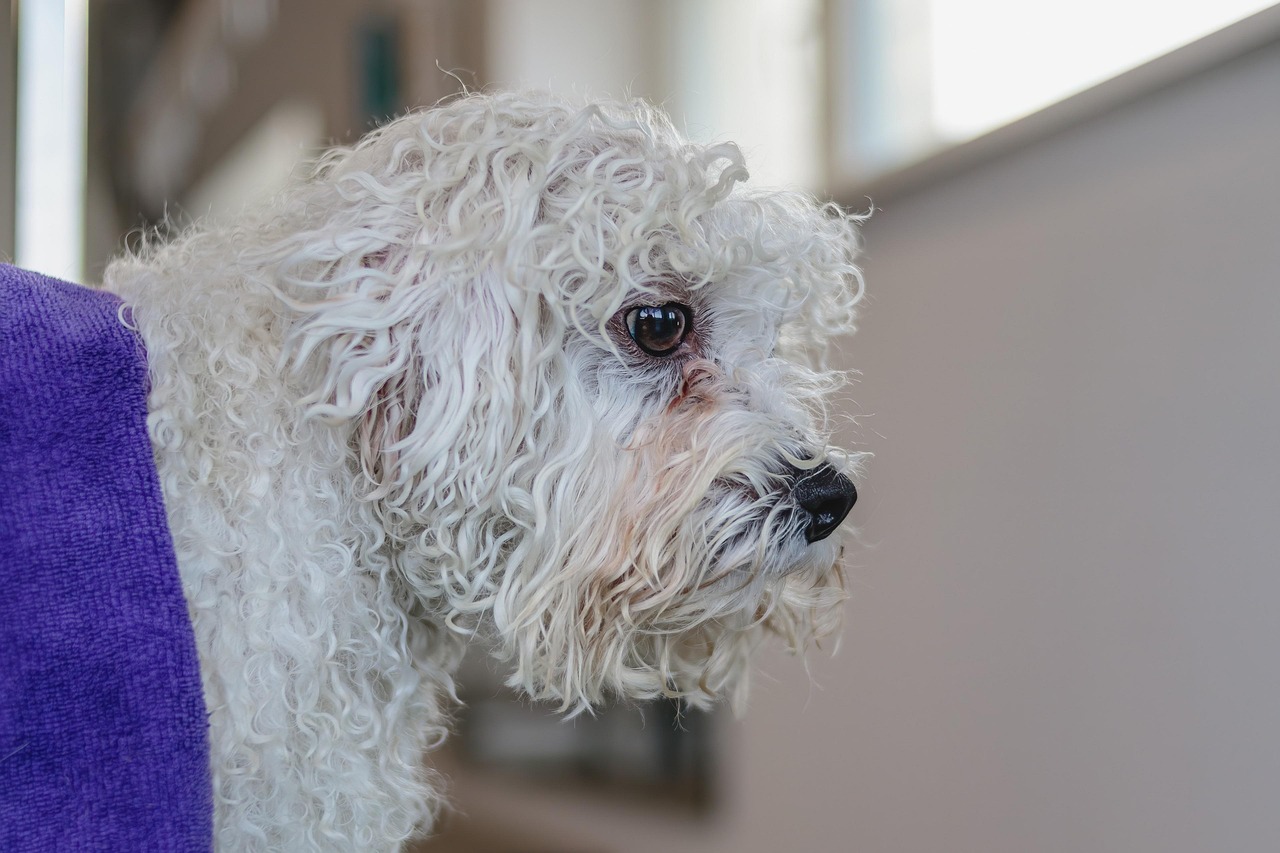
Tear stains on your puppy can be unsightly, particularly in breeds with white or light-colored fur. The proper cleaning routine can significantly help in minimizing tear stains. Begin by ensuring that your puppy has a clean diet, as food allergies may contribute to excessive tearing. In addition, consult with your veterinarian to rule out any underlying health issues. Regular eye cleaning is essential; use a damp cloth or specific eye wipes. Carefully wipe the corners of their eyes, focusing on the tear-stained areas. Allow the wipes to sit for a bit before clearing them away to help lift any residue. In some cases, specialty tear stain removers can be beneficial; however, always check with your vet before using new products. Regular grooming can prevent mats and build-up around the eyes, lessening tear stains over time. Providing fresh water every day also ensures proper hydration, which improves overall health. Remember, patience is key, and integrating these cleaning habits into your puppy’s routine will yield healthy and happy results.
Puppy Facial Care Essentials
Puppy facial care is more than just cleaning; it’s about ensuring their comfort and health through regular grooming. Puppies may have sensitive skin, making it essential to use gentle, hypoallergenic grooming products specifically designed for dogs. When grooming your puppy’s face, be gentle and take your time. Use a soft brush to tidy their fur, gently removing tangles without pulling. Focus on the areas around the mouth and muzzle where food debris can often gather. When necessary, wipe these areas carefully with wet wipes or a damp cloth. Establishing a gentle touch will help your puppy become accustomed to grooming, ensuring a stress-free experience. Monitor any signs of discomfort, as pooches may signal that something is bothering them. Additionally, exploring grooming options with a professional may aid in learning techniques or products best suited for your puppy’s needs. Consistency and positive reinforcement will help nurture trust and make grooming a pleasant routine for your puppy.
Preventing Skin Irritations
Skin irritations on your puppy’s face can result from allergens or improper grooming. Always pay attention to your puppy’s skin as any changes could indicate a larger issue. To prevent irritations, make sure to clean their face regularly and completely dry the area afterward. Moisture can attract dirt and lead to infections. Using baking soda during grooming can help remove stubborn stains and irritants. Ensure you use only pet-safe products and always test them on a small patch before full application. If your puppy frequently rubs or scratches their face, this may indicate an itch or irritation requiring attention. Consulting with your veterinarian regarding dietary ingredients can also be helpful, as certain foods can provoke skin reactions. Implementing high-quality grooming tools ensures that mats and tangles are dealt with promptly, preventing trauma to the skin. Regular check-ins for skin health should be part of your grooming routine, allowing you to catch any problems early and ensuring a comfortable, healthy life for your furry friend. Prioritize preventive care and vigilance for your puppy’s delicate skin.
Paw and Muzzle Awareness
While grooming, don’t forget to consider your puppy’s paws and muzzle. These sensitive areas require special care during grooming sessions. Regular paw checks ensure that there is no trapped debris or scratches, which can cause infections or discomfort. Use a soft brush designed for paws to clean under pads and between toes gently. Keeping their nails trimmed is essential for avoiding painful snags or splits. Learn the correct way to trim nails safely; this is a skill often learned over time. Incorporate muzzle grooming by using a gentle brush, addressing tangles and dirt accumulation. Avoid using any irritating substances to clean their muzzle, and focus on gentle techniques. Always approach grooming with a positive vibe to make it enjoyable for your puppy. Keep treats available after each successful grooming session, rewarding good behavior. Remember to keep grooming brief, especially in sensitive areas like the face and paws, to prevent overwhelming your puppy. Establishing consistency will lead to a more relaxed experience for both of you, creating a trusting bond as they grow.
Creating a Routine for Face Grooming
Establishing a grooming routine is vital in maintaining your puppy’s facial cleanliness and comfort. Begin by scheduling regular brushing sessions, repeating them weekly, to help your puppy grow accustomed to the process. Consistency is essential; stick to a routine that works for both you and your puppy. Start each session by using a soft brush designed for delicate areas, focusing first on the fur located around the eyes and muzzle. This technique allows puppies to adapt to grooming without causing undue stress. Implement a grooming session that incorporates eye cleaning, facial brushing, and paw checks. Always integrate a reward system emphasizing treats or praise to encourage cooperation. Over time, your puppy will recognize grooming as a regular and enjoyable part of their life. Remember to be patient, especially with more active pups who may take longer to settle during grooming. By making grooming time a bonding opportunity, you enhance your relationship while promoting their health. A little effort in establishing routines pays off in comfort and care, helping to keep your furry friend happy and clean.
The Final Touch: Ensuring Comfort
Ultimately, ensuring comfort during puppy grooming is key. Focus on creating a positive experience by using soft, gentle approaches to grooming sensitive areas around the face and eyes. Regular touch and gentle handling can reduce anxiety, helping your puppy feel at ease. Reinforcement through treats and praise will also build a foundation of trust. Puppies often pick up on their owner’s emotions, and reflecting calmness can result in a stress-free grooming session. Always ensure the tools you use are suitable for their size and coat type, as this helps maintain an effective and comfortable grooming process. Pay attention to your puppy’s body language; any hesitance may warrant a pause or reassessment of your techniques. Uncertainty can lead to aversion to grooming altogether. Regular visits to a professional groomer can also be beneficial, providing expert care and training for your puppy. This professional touch can make future grooming at home more manageable. By prioritizing a negative grooming experience, you foster a healthy relationship, reminding you always to strive for balanced care in your puppy’s life.