
Signs of Progress in Your Dog’s Grooming Training Journey
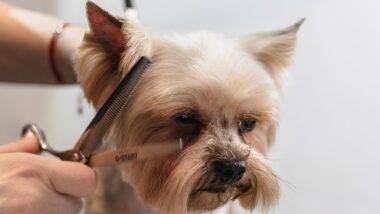
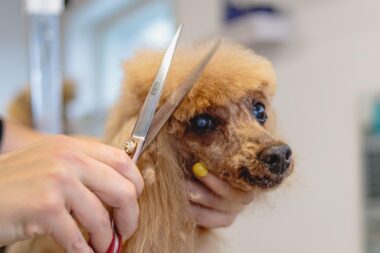
When you begin your dog’s grooming training journey, recognizing signs of progress is essential. This helps you gauge how well your dog is adapting to grooming. For instance, one significant sign is increased calmness. If your dog was initially anxious or fidgety during grooming sessions, showing relaxation indicates improvement. Additionally, willingness to participate in the grooming process is another key sign. If your dog approaches the grooming tools or sits patiently, it suggests positive development. Another notable signal is the response to your commands. A dog remembering and following commands related to grooming showcases their learning. Furthermore, checking your dog’s comfort levels during grooming can indicate progress. Dogs that appear less distressed than before are genuinely progressing in their grooming training. Socialization also plays a role in grooming; if your dog is more comfortable around strangers or new environments, that’s encouraging. Alongside these visible changes, behavioral consistency reflects an overall positive shift. More consistent behavior during grooming indicates that your dog is becoming familiar with the routine. Celebrate these milestones, and remain patient and supportive as you continue your grooming practice.
Another clear indication of progress is the dog’s tolerance for prolonged grooming sessions. Initially, many dogs resist having their nails clipped or fur brushed for extended periods. However, if your dog gradually becomes more tolerant of longer sessions without showing signs of distress, it’s a positive development. Additionally, note how your dog reacts to different grooming tools. If your dog once flinched or displayed signs of fear with certain tools and now appears curious or relaxed, that’s significant progress. Observation of grooming hygiene is essential too; a dog that maintains cleanliness after grooming shows that they are becoming accustomed to routine. Additionally, when your dog starts to trust you more and shows engagement during the grooming process, that’s a solid sign of progress. This can include nudging you to let you know they are ready for their session. Look out for playful behavior during grooming; a dog that engages and interacts positively is showing good signs of comfort and familiarity. Lastly, if your dog enjoys or seeks grooming as a bonding activity with you, it’s an indication of a successful grooming training journey.
Behavioral Indicators of Grooming Success
Observation of specific behaviors during grooming sessions can also provide insight into your dog’s progress. If your dog used to resist getting their ears cleaned or fur brushed and now willingly allows this, it’s definitely a sign of trust and improvement. Furthermore, a decreased level of shedding during grooming can signify that your dog’s stress levels are lowering, allowing for a more thorough grooming process. In addition, if your dog displays less undesirable behavior, like biting or snapping, during grooming, it is a major milestone. Improved focus during sessions can also indicate progress. If your dog can stay still, that reflects their growing comfort with grooming processes. Tracking these behavioral changes will help you appreciate the strides your dog has made. Positive reinforcement techniques, like treats and praise, during grooming can encourage these behaviors. It’s also helpful to note any changes in your dog’s willingness to go to grooming appointments or sessions. If your dog seems excited rather than nervous, it means you have created a positive grooming environment, which is vital for their overall improving attitude towards grooming.
Progress in grooming training can be observed in routine acceptance. Dogs that once demonstrated reluctance will eventually show signs of eagerness for their regular grooming routine. Additionally, pay attention to the grooming reactions; if your dog’s body language shifts from tense to relaxed, it indicates an important change. Look out for tail wagging, a relaxed posture, and even happy vocalizations as signs they are becoming more content with the experience. Furthermore, consistent grooming leading to fewer tangles and mats in their fur is a clear sign of progress. When your dog’s coat becomes easier to manage, it reflects the benefits of regular grooming. Over time, you may notice a significant improvement in their overall appearance and health, which can boost your dog’s confidence as well. Offering varied grooming experiences can help foster progress; try braiding or styling their fur and observing their responses. Handling their paws with ease can also be an encouraging sign, indicating comfort with foot grooming. Each of these progress indicators contributes to your dog’s journey towards becoming a grooming-savvy companion.
Building a Strong Bond Through Grooming
Grooming training is not just about aesthetics; it also builds a strong bond between you and your dog. Recognizing signs of mutual enjoyment during sessions can reflect the strength of this bond. If your dog relaxes while receiving grooming affection, it expresses trust and love towards you. Creating routines that incorporate cuddles and playfulness during grooming can foster reinforcing connections. Tracking your dog’s responses reveals areas needing more sensitivity or encouragement, making them feel safe and supported. If your dog leans into brushes or expresses playfulness during grooming, it indicates trust. Continuing to support them emotionally can significantly enhance their grooming experience. Moreover, do not overlook signs of relaxation, like settling down or gently yawning during grooming; they indicate enhanced comfort levels. Consistently revisiting grooming appointments establishes predictability, making your dog feel secure. Regularly praising your dog during grooming sessions increases their enthusiasm and willingness. As your dog starts to enjoy the process, you’ll witness their trust flourish further. All these nuanced signs and behaviors contribute to establishing a strong grooming regimen while nurturing a profound connection that enhances overall training.
Grooming also plays an influential role in your dog’s overall well-being, enhancing both physical and emotional health. When you notice a reduction in stress and anxiety levels during grooming sessions, it is a significant marker of progress. Furthermore, dogs that exhibit happiness before and after a grooming session indicate an impressive familiarity with the process. Increased engagement during grooming, like seeking affection or staying close as you groom, further signifies a positive emotional response. Your dog’s eagerness and playfulness before grooming can also indicate their enjoyment of the process, suggesting they’ve learned to associate grooming with positive experiences. Changes in your dog’s coat quality, like shininess and softness, are additional indicators that grooming is becoming an essential part of their self-care. If your dog becomes increasingly compliant about receiving grooming hygiene, like brushing teeth or maintaining nail length, it reflects their evolving relationship with grooming. Lastly, demonstrating confidence in new grooming tools or switching methods shows excellent adaptability, revealing that your training is successful. Altogether, these signs of emotional growth play a crucial role in deepening the bond between you and your four-legged companion.
Final Thoughts on Grooming Training
In summary, recognizing signs of progress in your dog’s grooming training is vital for a successful journey. From behavioral changes to comfort with tools, each sign marks a critical step forward. This process requires time, understanding, and patience, but the rewards are immense. Celebrate their achievements—big or small. Every sign indicates trust and improvement, reinforcing the bond between you and your furry friend. Remember to maintain a positive attitude during grooming sessions to promote your dog’s comfort and eagerness. Utilize positive reinforcement techniques, as they yield great success in achieving desired behaviors. Consider keeping a journal or notes to track those remarkable milestones. This documentation will help you appreciate deeply how far you and your dog have come together. As you proceed with training, staying observant and attentive ensures you don’t miss any signs of advancement. The nurturing environment you create through grooming empowers your dog to thrive and thrive positively. Ultimately, patience, love, and support lay the foundation for successful grooming training while enhancing your dog’s overall happiness and well-being. It’s a rewarding commitment for you both.
With every grooming session, you craft experiences that create lasting memories and joyful times for both of you.