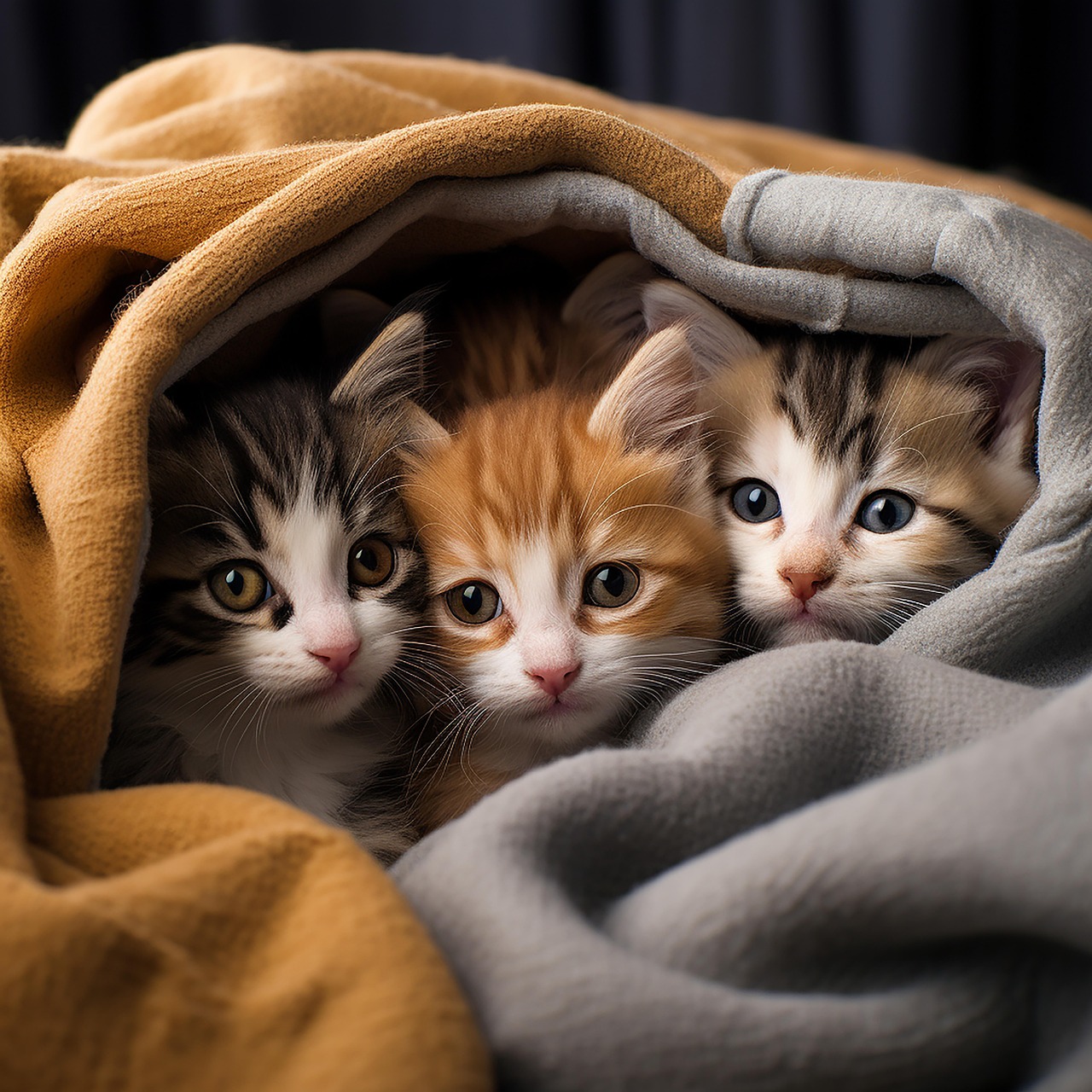

Debunking the Myth That Cats Are Unsociable Pets
When thinking about potential pets, many people hold the misconception that cats are inherently unsociable creatures. This stereotype is very misleading, as cats can exhibit a wide variety of social behaviors. Unlike popular belief, not all cats display introverted tendencies; many actively seek out human interaction and companionship. A cat’s social behavior is influenced by its early life experiences, the environment, and individual personality traits. Furthermore, socialization varies greatly across breeds, with some being more outgoing than others. Bred for companionship, certain breeds, like Siamese and Ragdolls, are renowned for their affectionate natures. Given this understanding, one can see that socializing a cat often depends on the time and effort invested in developing trust and comfort. Social interactions from an early age can significantly influence a feline’s outlook towards humans and other animals. The first few months of a cat’s life are critical, shaping how they will behave later. With gentle encouragement and interactions, most cats can learn to be loving and responsive, dispelling the myth that they are solitary by nature.
The misconception that cats cannot be social is reinforced by various anecdotes and media representations. Television shows and movies often portray cats as aloof and indifferent characters, further entrenching the notion that cats do not bond with their owners. In reality, cats can develop incredibly strong attachments to their human companions. For instance, they might follow their owners around the house, sit on laps, or greet them at the door. These behaviors are clear indicators of affection and a desire for companionship. Additionally, many cats exhibit a range of vocalizations, such as purring, trilling, or chirping, which reflect their emotions and engagement levels. Beyond vocal cues, a cat’s body language provides insights into their social behavior. A relaxed posture, slow blinking, and tail position can all indicate comfort and affection. Engaging with a cat in play through toys or interactive games can strengthen this bond. It’s essential to understand that each cat is unique, and social tendencies can differ. With patience and understanding, a person can help their feline friend flourish socially, breaking the stereotype of cats as unsociable family members.
Addressing cat ownership requires acknowledging the various factors that play into a cat’s social behavior. Early experiences do play a crucial role, but genetics and breed characteristics also contribute significantly. For example, some selkirk rex or Maine coon breeds demonstrate higher sociability levels than others. However, environmental factors can enhance or limit social behavior in cats. Providing a stimulating environment with opportunities for interaction can lay the groundwork for a more social cat. Ensuring that cats receive plenty of toys, resting spots, and engaging activities will encourage them to express their social nature. Combining these elements with positive reinforcement during social interactions—like praise and treats—can help cats feel more comfortable around people and other pets. It’s also crucial to understand that sociability is not just about being friendly; cats can have varying levels of comfort with proximity and interaction. While some cats enjoy constant companionship, others may prefer a more laid-back approach. The goal should be creating a safe and nurturing atmosphere that respects the cat’s unique personality, thus fostering an enriching social experience.
One common myth is the belief that cats don’t need socialization because they are inherently independent animals. However, this could not be further from the truth. Cats are social by nature and can thrive in environments that promote interaction, bonding, and stimulation. They need socialization just as much as dogs or other pets. Cats require mental and emotional engagement to flourish and live healthy lives. Playtime with their human companions or even other cats is essential to prevent boredom and encourage healthy behaviors. Additionally, socializing aids in reducing anxiety or behavioral issues that can arise from being left alone for long periods. Creating a unique routine can help facilitate bonding. For instance, setting aside time daily for cuddling, brushing, or play can make a massive difference in your cat’s comfort and social behavior. When cats learn to associate positive experiences with human interaction, they become more open to social engagement. Therefore, recognizing and nurturing the social side of cats will help debunk the myth that they are solitary creatures, showing that they can be loving companions.
Understanding Feline Behavior
Another perceived myth is the belief that cats cannot engage in social play with their owners. While it is true that cats exhibit different social behaviors than dogs, they still enjoy playful interactions. Engaging in play can help strengthen the bond between a cat and its human. Interactive toys like feathers on strings or laser pointers stimulate a cat’s natural hunting instincts and provide an excellent way to foster interaction. Even simple household items can become toys that activate your cat’s curiosity and playful spirit. In addition to these playful interactions, being observant of your cat’s moods is vital. Cats, like humans, have good and bad days, impacting their desire for socialization. Recognizing when your cat is feeling social or needs personal space can help create a comfortable environment. Learning about feline behaviors, such as kneading or head-butting, can also enhance our understanding of cat communication. Therefore, it is essential to listen to your cat and respond accordingly to nurture a rewarding and sociable relationship. By doing so, you debunk the myth that cats are disinterested or independent pets.
Debunking the myth that cats are unsociable pets opens up conversations about responsible pet ownership and how to foster positive relationships with our feline friends. It is crucial to educate potential cat owners about the importance of social interaction and making time for their cats’ social needs. When adopting a cat, prospective owners should inquire about how to ensure a smooth transition into the household. Proper introductions can be made between a cat and its new human companions, helping them develop trusting relationships. Setting up a comfortable space for the cat to explore and gradually allowing them to engage with family members is essential for easing anxiety. Owners should also explore various ways to connect, including training, which can provide both mental stimulation and strengthening the bond. Understanding that each cat has its individuality and needs helps prevent miscommunication and frustration. They might offer subtle cues when they want affection or playtime. By recognizing these signs, owners can engage with their pets, encouraging sociability and nurturing a loving environment where both the cat and owner can thrive.
Conclusion: Fostering Cat Sociability
Ultimately, understanding that cats are not always unsociable beings is essential for current and future cat owners. They can be as social as any other pet, given the right environment, motivation, and patience. Gentle encouragement and positive reinforcement when socializing with your feline companion can foster a rich bond filled with playful interactions. Having a well-socialized cat also means that the relationship spans beyond casual companionship into deep emotional connections. Taking the time to truly understand feline behavior highlights the social capabilities and intelligence hidden beneath their independent facades. Recognizing that each cat is unique in its social requirements enables owners to cater to their needs appropriately. Consequently, society must challenge outdated views and stereotypes associated with cats and embrace their multifaceted personalities. By investing time in socializing your cat, you’ll not only create a more affectionate companion but also help dismantle social myths surrounding cats altogether. In essence, cat socialization isn’t just about training; it’s about building trust, understanding, and love that enrich both the cat’s and human’s lives.
This final note reinforces how crucial education and awareness are when addressing misleading myths about cats. A myth can influence a potential owner’s decision, driving them away from adopting a feline for fear of loneliness. However, this myth mischaracterizes the actual behaviors exhibited by cats in loving homes. As more individuals understand the social nature of these pets, there will likely be a shift in how felines are perceived in society. Together, we can create a world where cats receive the love and social interaction they deserve. By advocating for a better understanding of cat behavior and social needs, we can also educate others on the commitment required to provide an enriching environment. Encouraging socialization will, in turn, promote healthier relationships between cats, owners, and the community. Through this, we can create more awareness about the necessity of companionship for cats, ensuring that they are cherished family members rather than misunderstood creatures. As we continue to learn about these amazing animals, we can pave the way for a brighter future, one where cats are rightly honored for their social potential.