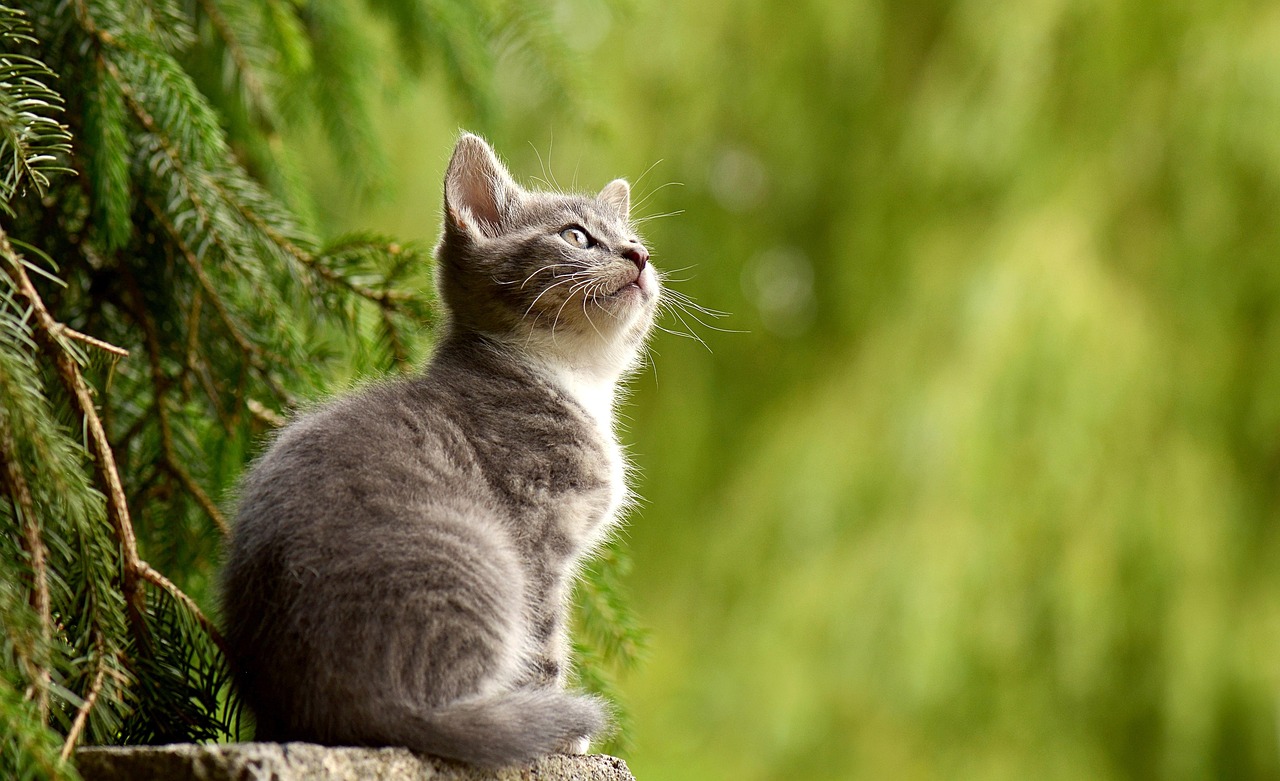

The Role of Taurine in Kitten Health and Development
Taurine is an essential amino acid that is critical in the early stages of kitten growth. Unlike many other amino acids, kittens cannot synthesize taurine on their own. That is why ensuring an adequate dietary intake of taurine is vital during this period. Well-balanced commercial kitten foods often contain enough taurine to support optimal development. However, several factors can affect taurine levels in a kitten’s diet, including the type of food, cooking methods, and ingredient quality. Manufacturer testing and sourcing of high-quality protein can help assure adequate taurine content. Kittens fed vegetarian or low-quality diets may face deficiencies, which can lead to serious health issues. This deficiency can result in developmental delays, or worse, fatal conditions, including retinal degeneration or cardiovascular problems. Therefore, understanding taurine’s importance in nutrition helps owners make informed choices regarding their kitten’s diet. Recognizing signs of taurine deficiency, such as lethargy or poor coat quality, is also essential for ensuring overall health. Consulting with a veterinarian can provide personalized guidance for your kitten’s nutritional needs.
In addition to serving as an essential component for healthy development, taurine plays a significant role in various physiological functions for kittens. It is crucial for maintaining the overall structure of cell membranes and is involved in neurotransmission. Importantly, taurine impacts heart function, fertility, and immune response. A deficiency in taurine may lead to a host of health concerns, such as poor growth, weakened immune defense, and compromised vision. An important aspect of taurine is its role in maintaining healthy eyes and eyesight in growing kittens. Studies have demonstrated that kittens deficient in taurine can experience retinal degeneration, leading to vision loss or blindness. The heart muscle also depends heavily on taurine; a chronic deficiency can result in dilated cardiomyopathy, a serious condition affecting heart function. To ensure kittens receive adequate taurine levels, observe the ingredients in their food. High-quality proteins such as chicken, turkey, or fish typically provide the necessary taurine. Always prioritize feeding your kitten food labeled specifically for their life stage to ensure proper nutrient balance.
Recognizing dietary sources of taurine is important for managing your kitten’s nutrition effectively. Cats are obligate carnivores, meaning they require a meat-based diet to thrive. Animal tissues, particularly those from heart, liver, and muscle, are rich sources of taurine. The best commercial kitten foods typically contain whole meat ingredients and meat meals that are high in taurine levels. In contrast, plant-based protein sources, such as beans or grains, have little to no taurine. Feeding a raw or cooked meat diet is another way to supplement taurine intake. While some raw diets are becoming popular, it’s crucial to ensure they are complete and balanced to meet all nutritional needs. For kitten owners considering homemade diets, consulting with a vet for guidance to formulate a nutritionally balanced meal plan is essential. It’s not just about providing food; ensuring optimal balance provides all necessary vitamins and minerals, including taurine. Be cautious with treats and snacks, as many do not meet the nutrient content required for growing kittens. Careful selection helps ensure your kitten’s diet remains comprehensive and beneficial.
Signs of Taurine Deficiency
Being vigilant about your kitten’s health can help identify potential taurine deficiency early. Common signs can include lethargy, poor coat quality, and stunted growth. If your kitten seems unusually sluggish or refuses to play, it might signal underlying health issues. Additionally, monitor your kitten’s eating habits. A healthy kitten usually exhibits a good appetite. Changes in behavior or weight can further help determine if nutritional adjustments are needed. One of the more serious symptoms of taurine deficiency is ocular issues. To ensure your kitten’s eyes remain healthy, look out for any signs of visual impairment or abnormal eye behavior. Regularly scheduled veterinary check-ups can help catch these deficiencies early. Your veterinarian may recommend blood tests to monitor taurine levels and assess overall health. Remember that early interventions are key to addressing any health concerns swiftly. Such proactive measures can greatly improve long-term health outcomes. It’s equally important to update your kitten’s diet if any health issues arise. Keep in mind that dietary changes should always be made gradually to minimize gastrointestinal disturbances.
When considering how much taurine your kitten needs, it’s essential to understand that their requirements change as they grow. During kittenhood, taurine needs are heightened due to rapid growth and development. Generally, kittens are particularly susceptible to deficiency during their first few months of life. The Association of American Feed Control Officials recommends a minimum of 0.1% taurine in kitten food for optimal health. However, many high-quality brands exceed this guideline to ensure sufficient levels. Always check the package labels to gauge taurine content. Expensive foods may advertise added taurine but be careful; the quality of other ingredients also plays a significant role. Inclusion of dehydrated animal proteins or animal by-products can provide not just taurine but other essential nutrients as well. Balancing a variety of nutritious elements in your kitten’s diet can lead to long-term health benefits, developing healthy muscle mass and organ function. Choose a trusted brand that ensures a balanced approach to nutrients to keep your feline friend vibrant and thriving through their growth stages. Ensuring quality, variety, and compliance with dietary guidelines ensures kittens flourish.
To summarize, taurine is a crucial component of kitten nutrition that directly influences their health and development. Owners must understand taurine’s importance and ensure their kittens receive adequate amounts in their diet. Recognizing signs of taurine deficiency early and adjusting dietary approaches helps manage kitten nutrition effectively. Ingredients play a significant role in providing essential amino acids like taurine and protein content for growth and development. Always select high-quality kitten foods that meet FDA nutritional guidelines. Regular consultations with a veterinarian help guide owners in making informed dietary choices tailored to their kittens’ needs. Maintaining open communication with your vet can help eliminate any uncertainties regarding your kitten’s nutrition. Attention to dietary requirements, phase-specific nutritional needs, and lifestyle factors can influence taurine levels positively. Focusing on nutrition is a continuous process, influencing your kitten’s vitality throughout their life stages. Understanding the specifics of taurine’s role in overall health is imperative for ensuring happy, healthy feline companions. Help your kittens grow into strong, vibrant cats by understanding and managing their nutritional needs for a healthy life.
The role of taurine in your kitten’s diet cannot be overstated; it serves as a foundation for health, vision, and growth. Choosing a diet rich with high-quality protein and specific ingredients helps promote taurine intake. Engage with your veterinarian to craft an individualized nutrition plan reflecting your kitten’s specific needs. Through diligence and care in selecting nutrient-rich foods, you provide the best possible start for your kitten’s life. Investing in proper nutrition now can lead to rewarding companionship for years to come. It’s essential to build a relationship that emphasizes health and well-being through adequate food choices. Only through understanding your kitten’s unique nutritional needs can you ensure their growth, happiness, and longevity. Monitor their progress and adjust their diet as they grow, considering their unique characteristics and lifestyle. Ensure you create an environment that fosters health through nutrition today. When you dedicate time to understanding taurine and its profound impact, you’re making a commitment to your pet’s future. Adapt and evolve your kitten’s diet to support ongoing development, creating a strong foundation for a healthy adult cat.
Conclusion
Providing a balanced and nutritious diet for kittens is essential for their health and longevity. By understanding the role of taurine and how to ensure adequate levels in their diet, pet owners can support optimal growth and development. Select a high-quality commercial kitten food that includes necessary nutrients, and don’t hesitate to consult with a veterinarian for personalized guidance. Recognizing early signs of taurine deficiency can prevent severe health issues that affect a kitten’s quality of life. Emphasizing the importance of high-quality protein sources, owners can empower their kittens to lead happy, healthy lives. Choose foods designed for kittens, specifically ensuring they meet their growing needs. Supplementation might be necessary in certain cases, but it should always be approached with caution and professional advice. As your kittens grow into adult cats, continue to monitor their dietary requirements, ensuring a smooth transition into adult food that meets their needs. Keep learning more about cat nutrition to make informed choices for their dietary needs. Empowering yourself as a pet owner with relevant information can lead to better decisions for your cat’s overall health and happiness.