
How Gardening Products Can Harm Your Dog
When you love your dog, ensuring its safety is paramount. Many pet owners are unaware that gardening products can be highly toxic to their pets. Fertilizers, herbicides, and insecticides are common culprits that can lead to serious health issues. Even seemingly harmless products can pose a risk. Dogs often explore their environment using their mouths, which increases their chances of ingesting harmful chemicals during playtime. Toxicity can result in symptoms ranging from mild vomiting to severe neurological disturbances. Understanding the risks associated with these products is essential for any responsible pet owner. For example, some fertilizers contain chemicals like ammonium sulfate, which can irritate a dog’s digestive system if ingested. Moreover, many common plants themselves can be harmful, especially when treated with pesticides. Additionally, even human-grade compost can harbor mold toxins. Therefore, it is vital to read labels carefully and consider the harmful ingredients within them. Protecting your dog begins with awareness of what gardening supplies might be in your yard or garden shed, minimizing exposure is the best prevention tactic against potential poisoning.
Another way gardening products can endanger your dog is through skin contact. Many herbicides contain glyphosate, which can irritate the skin and result in allergic reactions. If applied improperly, these chemicals can also seep into the ground, posing a risk when dogs dig or explore. Moreover, the residue on their paws after walking on treated lawns can be harmful when ingested through grooming. Symptoms of chemical exposure through skin contact may include rashes, excessive licking, or even more severe reactions. It’s not just direct contact that poses a risk; inhalation of the vapors or dust while gardening can also be detrimental. Dogs are more sensitive to certain substances than humans, which means pet owners should use caution when handling any gardening products. Always allow ample time for the area to dry or air out before letting your furry friend resume their outdoor activities. To protect your dog, search for organic alternatives when possible. These products may still pose some risk, but are generally less harmful than synthetic options. Additionally, consider using barriers, such as designated dog areas, to keep them away from potentially toxic gardening supplies.
Common Toxic Gardening Products
Homeowners need to be aware of the specific gardening products that can pose dangers to dogs. Most garden pesticides, herbicides, and fungicides are designed to kill pests, but they can also harm beloved pets. Always check for active ingredients and research their effects. Commonly used insecticides can cause severe neurological symptoms in dogs, making it crucial to keep these products out of reach. Certain fertilizers, especially those high in nitrogen, can lead to gastrointestinal upset and increase the risk of seizures when ingested. Other common items to watch out for include snail and slug baits, which often contain toxins attractive to dogs. This situation can be even more dire, as many dogs find these baits appealing due to their sweet smell. Similarly, some weed killers contain components known to create a toxic garden environment for dogs. Symptoms to watch for include excessive drooling, trembling, weakness, or difficulty breathing. Understanding these risks can ultimately save a dog’s life, allowing pet owners to make informed choices about their gardening practices while keeping their furry friends safe.
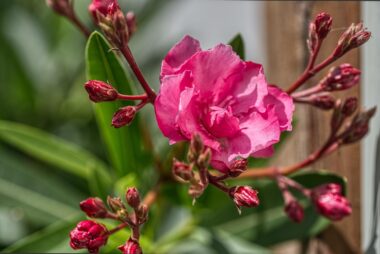
Another significant threat comes from the common use of cocoa mulch, which contains theobromine, a compound found in chocolate. Dogs that ingest cocoa mulch can suffer from severe poisoning symptoms, including seizures and, in extreme cases, death. The danger doesn’t stop there; there are many flowering plants in gardens that can also be toxic. Azaleas and lilies are notorious for being poisonous to dogs, leading to critical health issues if consumed. Furthermore, even some common household plants, like oleander and sago palms, can lead to fatal toxicity. Awareness about these dangers can help minimize risk. Familiarizing yourself with toxic plants and applying organic gardening techniques can lead to a safer environment. Always conduct research on each type of plant or product before using them in your garden. When inviting friends or family over, remind them to ensure their dogs don’t have access to areas where toxic materials are present. This proactive approach will help create a more dog-friendly home and garden, reducing the likelihood of accidental poisoning for your pet.
Signs of Poisoning in Dogs
Recognizing the symptoms of poisoning in dogs is crucial for prompt intervention. Signs can vary greatly depending on the type of toxin and the amount ingested. Common symptoms include vomiting, diarrhea, lethargy, and excessive drooling. More severe reactions might involve muscle tremors, seizures, or loss of consciousness, indicating a life-threatening situation. If you suspect your dog has ingested a toxic gardening product, time is of the essence. Contact your veterinarian immediately for guidance on what steps to take. It may be advisable to bring the product’s packaging for specific information. If your dog presents with any of these symptoms, do not hesitate to seek professional help. Depending on the toxin, treatments might vary from induced vomiting to supportive care. Being prepared by keeping emergency numbers readily available can make a significant difference in these moments. Regular training about signs of distress increases the chances of saving your dog’s life. Being informed allows pet owners to act quickly, potentially preventing further consequences after exposure to harmful gardening products.
After your dog has recovered, reevaluating your gardening practices is essential. Consider transitioning towards more pet-friendly alternatives in your gardening routine. Research safe plants and organic gardening products that minimize risks for your furry friends. From using vinegar solutions for pest control to natural fertilizers, many safer options exist. Explore companion planting techniques that encourage natural pest deterrence without resorting to harsh chemicals. This organic approach can decrease the likelihood of toxic exposure while also promoting a healthy garden. Additionally, improving your landscaping design can significantly reduce risk. Implementing safe zones for dogs within the garden can protect them while allowing them to enjoy outdoor spaces. Add gravel paths, designated play areas, or other natural barriers to keep dogs away from areas treated with harmful chemicals. Regularly monitor your garden for existing toxic plants and replace them when necessary. By fostering a dog-friendly garden, you can maintain a healthy lifestyle for yourself and your pets, opening up a world of safe outdoor activities filled with fun, exploration, and joy.
Preventive Measures for Pet Owners
Pet owners must take preventive measures to ensure their dogs are safe while gardening. First, practice safe storage of gardening products, creating a dedicated area in your home or shed for toxic items. Always store chemicals in locked cabinets or high shelves beyond the reach of curious dogs. Using labeled containers will help demarcate harmful substances clearly. When purchasing new gardening materials, opt for pet-safe or organic alternatives whenever possible. Research product labels thoroughly, looking for certifications stating safety around pets. Whenever you apply treatments to your garden, ensure that your dog is kept indoors until everything is dry and safe. Finally, regularly educate yourself about the newest gardening products and their safety for dogs. Join local gardening groups or forums to gain insights into pet-safe gardening techniques and product reviews. Many organizations and veterinarians offer resources for pet owners to create a toxic-free home environment. Ultimately, knowing the risks and mitigating them can significantly decrease the chance of accidental poisoning, allowing you to nurture your garden while protecting your beloved four-legged friends.
Engaging in regular training is another effective measure to prevent accidents. Teaching your dog basic commands can improve their recall, making it easier to redirect them away from areas that may pose a risk. Training also strengthens the bond between you and your pet, contributing to their overall well-being. Moreover, walking your dog on a leash during gardening time can prevent them from venturing into danger zones. It’s essential to create boundaries that are clear for both you and your pet while working in the garden. Regular behavioral assessments can help you understand your dog’s actions, enabling you to take proactive steps in their training. Instilling good habits and awareness in your pet will result in a safer environment. Furthermore, working closely with your veterinarian for regular check-ups can ensure your dog remains healthy and any potential health issues are addressed promptly. Taking a full approach to pet care leads to a thriving, joyful coexistence between pets and their owners. With these tips, you will be better equipped to safeguard your dog and enjoy gardening activities without worry.