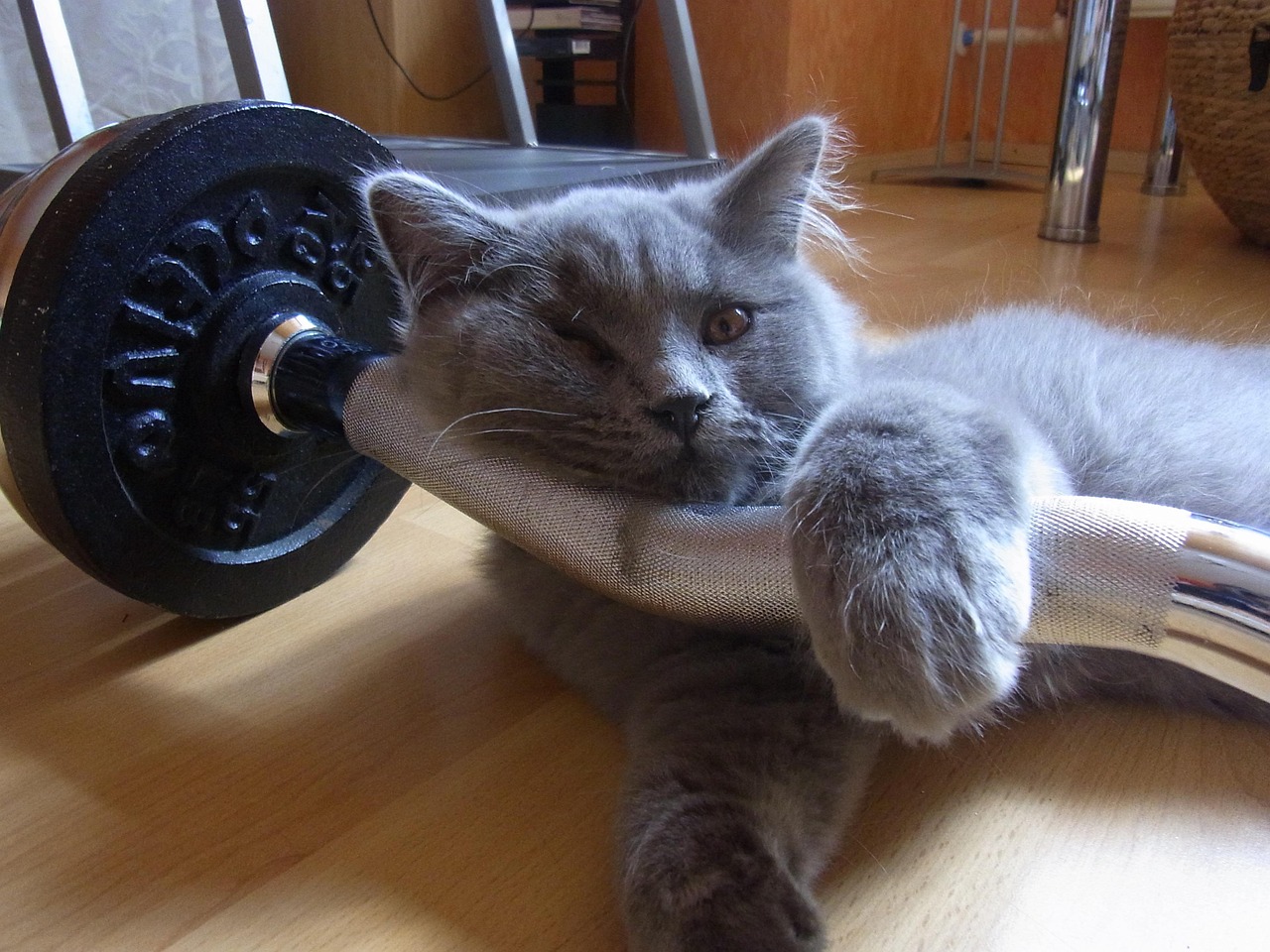

How to Train Your Cat to Stay on Command
Training your cat to respond to voice commands can be an exciting journey. While it may seem daunting at first, with the right techniques, you can see significant progress. Start by choosing a quiet environment where distractions are minimized to ensure your cat focuses solely on you. Begin training sessions in short intervals; aim for around five to ten minutes once or twice daily. During these sessions, use positive reinforcement such as treats or praise to encourage your cat’s behavior. This method builds a connection between the command and a reward. Over time, your cat will start to associate the command to stay with the action. Practice regularly, repeating the same command for consistency. If your cat gets distracted, gently bring their attention back to you. Be patient, as every cat learns at a different pace. Eventually, you may notice your feline friend beginning to respond even when you don’t offer a treat. Reinforcing good behavior helps solidify the command. Gradually increase the difficulty by introducing longer durations or distractions. Remember, the goal is to instill confidence and foster an engaging learning environment for your furry friend.
As you proceed in teaching your cat to stay on command, consistency is key. Use a clear, distinct command like “stay” every time you give the cue. Consistent usage will aid in your cat’s understanding of the command’s meaning. It’s essential to remain calm and assertive while training. If your cat fails to obey at first, do not punish them, but rather encourage them again with enthusiasm. If your cat does stay when commanded, reward them immediately with treats or affection, reinforcing to them that they did well. You can utilize various methods to train. Some find clicker training to be effective, as the click sound marks the correct behavior precisely. Make sure to click at the moment your cat stays still. There are tools such as leashes or harnesses that can help you control your cat during training. Keep the atmosphere lighthearted to prevent negative associations with training sessions. End each session on a positive note, either by rewarding your cat or playing with them for reinforcement. Patience not only builds your relationship but also encourages your cat to engage in the commands.
Using Treats to Encourage Training
For successful training, incorporating treats is an excellent strategy. Cats respond well to food rewards, making it an effective method to encourage adherence to commands. Choose high-value treats that your cat absolutely loves. Experiment with various options to see what excites your cat the most. While training, treat increments should be given immediately after the desired action, reinforcing the connection between the command, behavior, and reward. Gradually, you will want to lessen the treats as your cat begins to understand the command better. This transition is crucial for them to comply without being reliant on treats. You might also consider incorporating a favorite toy or play session as a form of reward. If you are using treats, monitor your cat’s overall caloric intake to prevent overfeeding. Maintain a balance between training and meals. Training should be a positive experience, emphasized through rewards and affection. If at any moment, your cat shows disinterest or confusion, take a step back. Observing your cat’s body language is important; it allows you to adjust your training techniques accordingly. It is a partnership forged on respect and understanding.
Being aware of your cat’s mood during training sessions can greatly improve outcomes. Cats can be unpredictable or distracted, so recognizing when your cat is receptive versus when they are not will make a difference. Experiment with different times of the day; some cats may perform better in the morning, while others are more alert in the evening. Avoid lengthy training sessions, as cats tend to lose interest quickly. If your cat appears restless or disinterested, it’s advisable to end the session on a high note. Return later when they seem more engaged. Training is not only about teaching commands; it’s also about establishing a bond with your feline friend. Use fun variations to keep your training interesting, such as incorporating games or movement during practice. Interactivity boosts motivation while keeping the environment enjoyable. Allow your cat breaks during training so they can reset and avoid frustration. Building trust through positive experiences nurtures a stronger relationship. As your pet connects positively with voice commands, you may find they are more willing to learn new commands in the future initiatives. Consistency, patience, and love will yield fruitful results.
Importance of Body Language
Understanding your cat’s body language is critical in training them to follow your commands. While you give verbal cues, watch for their responses; this dialogue helps in recognizing their comfort level. When your cat seems relaxed and attentive, they’re more likely to follow commands effectively. Conversely, if they exhibit signs of distress or reluctance, respect their space. A cat typically shows comfort through relaxed ears, lowered tails, or kneading behavior, signaling they are in a good mood for training. If their ears are back or tails puffed, these are indications of anxiety or disinterest, and you should pause the session. Engaging with your cat through games can also improve their mood, making it a productive time to practice obeying commands. Furthermore, maintaining eye contact can help in establishing a connection, showing them that you are present and engaged. Use calm and soothing vocal tones, as shouting can create stress. Creating a stress-free learning environment fosters openness, allowing your cat to learn more effectively. Training requires sensitivity to cues from your cat, enhancing not only their compliance but also your mutual trust.
When you begin to notice your cat responding well consistently, it’s time to phase out treats gradually. While you should continue providing praise and affection, offering treats after every successful command might not always be necessary. This process requires careful observation; you should only reward them intermittently to ensure they remain motivated without dependence. You might establish a schedule where they get treats for certain successes but need to execute commands without treats on other occasions. Additionally, consider adding other commands once your cat has mastered “stay.” Commands like “come,” “sit,” and “wait” help build a repertoire that strengthens your training bond. Varying learning experiences keeps your cat engaged. Be sensitive to your cat’s learning speed; never rush them through training. If you pressure them or make sessions tedious, they will tune out altogether. Headway can be gradual, but with time and practice, your cat will begin performing commands naturally. Celebrate milestones together; every little success counts. This cooperative approach makes training an enriching experience for both of you. Ultimately, the journey of training your cat can greatly enhance your relationship and foster companionship.
Final Tips for Successful Training
To wrap up your training endeavors with your cat, remember some essential tips. Firstly, consistency is vital in every aspect, from commands to rewards. Reinforcing the same command in the same manner helps your cat understand what is expected. Focus on short, focused sessions, as mentioned before, to keep your kitty motivated. Frequent breaks can ensure your cat does not get overwhelmed. Always conclude each training session positively to end on a high note. It’s crucial to manage expectations, understanding that progress can be slow. Celebrate small victories, as they add up over time. Maintaining a playful spirit throughout will significantly enhance training experiences. If successfully following commands takes time, have patience and avoid frustration; each cat’s learning curve varies dramatically. Consider practicing outdoor commands or different environments once your cat is more proficient. This skill transfer encourages confidence in various settings. Lastly, continuously engage with your cat beyond training sessions. Create opportunities for them to socialize and learn in casual circumstances. The combination of structured training, patience, love, and play helps shape an obedient and well-adjusted feline companion.
In conclusion, training your cat to respond to voice commands enhances your bond and promotes a healthy communication style between you both. With persistence and attentive practice, your cat can learn to stay on command and more. Remember to stay committed to your training strategies, and keep your sessions light and fun. This animal-human partnership thrives on respect and love. Give your cat time to absorb their lessons and reward their energy throughout training moments. Tailor your approach based on their unique personality and needs, ensuring you cultivate welcoming experiences during training. Good communication and relationship nurturing will reflect mutual understanding, encouraging autonomy in your cat’s learning process. As you embark on this journey, acknowledge that each training session is an opportunity to deepen the connection you share with your beloved pet. Armed with the right techniques, your cat will be able to surprise you with its ability to respond effectively to voice commands. Enjoy the experience, cherish the little moments, and become a team that can venture together gracefully. With patience and dedication, you can witness the transformation of your cat into a well-behaved companion ready to respond to commands with eagerness.