
The Role of Weather in Dog Scent Work and Tracking Sports
Weather plays a crucial role in dog scent work and tracking sports, impacting both the dog’s performance and handler’s strategy. Cold, warm, or rainy conditions affect scent molecules and their dispersion in the air. Dogs rely heavily on their sense of smell to track scents accurately. In cold temperatures, scents may linger longer, providing a great advantage for tracking. However, extreme cold can cause fatigue in dogs. Conversely, in warm weather, scents disperse rapidly due to increased evaporation and heat, making tracking more challenging. Rain can either enhance or hinder scent work, as moisture helps scent to travel but can also wash away trails. Handlers must adapt their techniques based on weather conditions to maximize efficiency.
Understanding how temperature changes impact scent tracking is vital for both dog and handler. For instance, high temperatures can lead to excessive panting, which may distract dogs and impair their scenting abilities. Hydration becomes key during hot days, with frequent breaks encouraged. Additionally, heat-induced fatigue can diminish the dog’s focus and energy levels. On cooler days, while dogs remain more energetic, it is essential to watch out for signs of overexertion. Handlers should ensure that they have the right gear and water on hand. Ultimately, recognizing these physiological impacts will help handlers strategize better during competitions or training sessions.
Effects of Rain on Scent Work
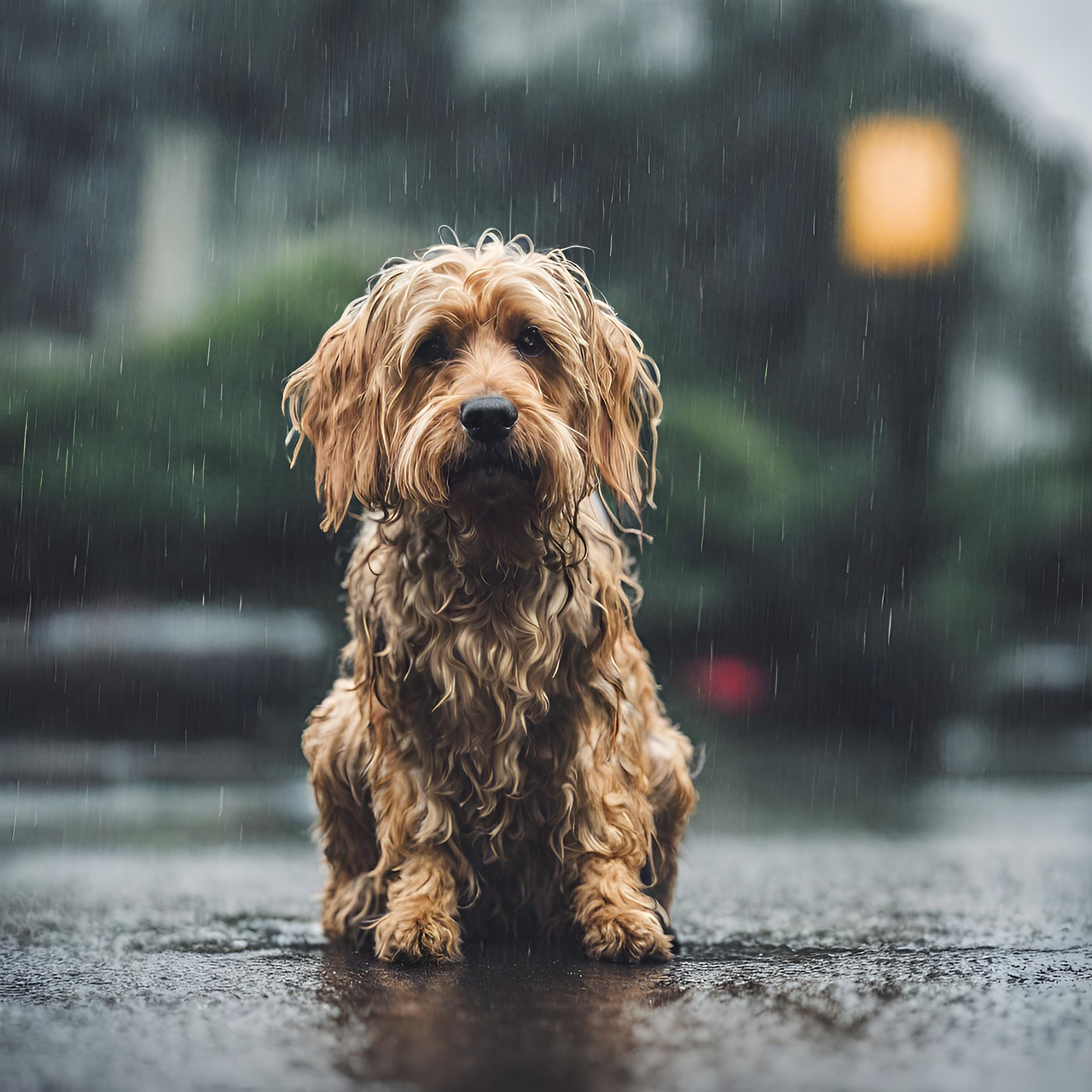
Rain is a double-edged sword in scent tracking, serving as both a challenge and advantage. Light rain can benefit tracking by adding moisture to the ground, helping to hold scents more effectively. This can make scent trails more pronounced and easier for dogs to track. However, heavy rainfall poses significant challenges; it can bury scents and make trails nearly undetectable. In the aftermath of storms, handlers might face transformed environments, as new smells can confuse dogs. Therefore, adapting training and expectations according to rain conditions is essential for success during competitions. Handlers should prepare for all eventualities, ensuring their dogs are ready for the unpredictability of the weather.
A consistent routine in various weather conditions can help dogs become more resilient to temperature fluctuations and rain. Engaging in regular training sessions during diverse weather not only builds the dog’s skills but also strengthens the handler’s confidence in the dog’s capabilities. Continuous exposure to different conditions prepares dogs to adapt quickly in competitions, mastering scent work irrespective of environmental challenges. Handlers should introduce gradual diversions, showcasing how rapidly weather can shift and change, reinforcing adaptability. This familiarity is vital for dogs, ensuring they remain efficient and focused under pressure.
Wind Effects on Scent Detection
Wind also plays a critical role in scent work, contributing to the directional flow of scents. Strong winds can disrupt scent trails, forcing dogs to work harder to maintain their focus. In windy conditions, dogs may catch varying scent puffs; thus, practicing in such conditions can enhance their ability to discern scents amidst distractions. Handlers should be aware that downwind tracks may become challenging due to scent dispersal. Effective positioning and understanding wind direction can greatly improve tracking success. Handlers should learn to read environmental cues and adjust their strategies, which will significantly benefit their performance.
Humidity levels significantly affect scent work and tracking too. High humidity increases the number of scent molecules present in the air, enriching the tracking experience. Yet, excessive humidity can lead to overheating in dogs, threatening their overall health and stamina. Consequently, it is crucial for handlers to monitor their dogs closely during humid days. Implementing training protocols that incorporate both high and low humidity environments allows dogs to hone their skills effectively. Utilizing test runs in various conditions can help identify the optimum balance between scent availability and canine performance. Ultimately, striking this balance is key to mastering scent work.
Seasonal Considerations in Dog Sports
Seasonal changes also bring varied impacts on scent work and tracking. Fall and winter can present unique challenges, such as fallen leaves or snow, which can obscure scent trails. In contrast, spring and summer often feature blooming flora, which can overwhelm a dog’s ability to discern particular scents. Handlers must adjust their training strategies according to seasonal shifts, ensuring dogs remain effective throughout the year. This includes utilizing varied training terrains and scenarios that reflect real-world scents the dogs may encounter during actual competitions, enhancing their effectiveness across all seasons.
In conclusion, weather considerations are paramount for dog scent work and tracking sports. Handlers must be proactive in understanding how various weather elements will affect their dogs’ scenting abilities. The right preparation, coupled with intuitive adaptations to various environmental factors, significantly enhances performance. A dog’s agility in adjusting to these weather conditions can be the difference between success and failure in competition settings. By continually training their dogs across diverse weather conditions, handlers set their furry companions up for successful and enjoyable experiences in dog sports.